We understand why we return to stories that make us happy. But why do we willingly revisit the ones that leave us in tears, even when we already know exactly how they end? There is something strange about heartbreak in fiction. We know the ending. We know they will not stay together. We know the character will die. We know the final goodbye is coming, and yet we press play anyway.
Nobody needs to convince us to watch a happy film again. We return to it because it makes us feel good. But heartbreak is different. Why would anyone voluntarily return to something that hurts? Perhaps because the sadness is not the only thing we are returning to.
We Know Where the Pain Is Coming
The first time a story breaks our heart, the pain is often unexpected. We do not know when the goodbye will arrive or how the characters will get there. A rewatch changes that. The ending is no longer a surprise. We know which scene is coming, which conversation will matter and exactly when the soundtrack will begin to hurt a little more. Research into sad-film enjoyment has found that viewers can experience sadness and enjoyment simultaneously, with emotional responses to tragic stories sometimes becoming part of the pleasure of the experience itself. Perhaps knowing the ending makes the heartbreak feel safer. We are not discovering the pain. We are choosing to revisit it.
Sometimes We Are Returning to the Happiness Before It
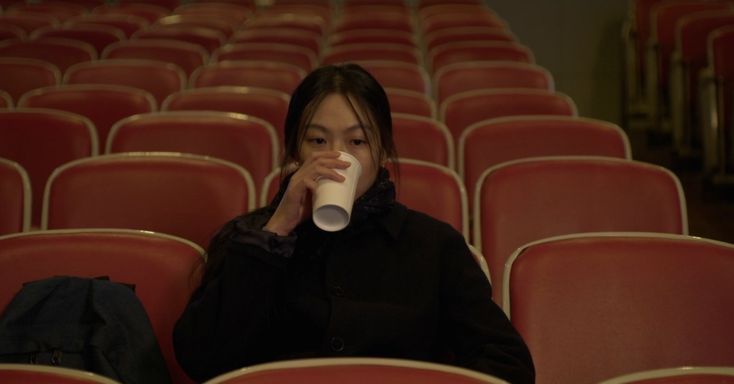
Maybe the reason we rewatch a heartbreaking story is not because we want to be heartbroken. Maybe we want to return to everything that existed before the heartbreak. The first meeting. The stupid jokes. The long conversations. The moment two characters realise they love each other. The version of their relationship before circumstances, mistakes or time begin pulling it apart. The tragedy gives those moments a different meaning. A happy scene can feel completely different when you already know it will not last. That is part of what makes certain stories so difficult to leave behind. We are not simply watching an ending. We are watching everything that led to it, knowing how precious those moments will eventually become.
Fiction Lets Us Feel Without Having to Live It

Real heartbreak rarely arrives with a soundtrack, a beautifully written final conversation or a two-hour runtime. It is messy. It does not always make sense. It does not necessarily offer closure. Fiction does. We can enter someone else's sadness for a while and then step outside it. We can cry over a character, close the laptop and return to our own lives. That distance may be part of the appeal. Research into tragic films and sad stories suggests that audiences can find meaning, emotional engagement and even enjoyment in narratives that produce sadness. The point may not be that we enjoy suffering. Perhaps we enjoy being moved.
And Sometimes, We Are Not the Same Person Anymore
There is another reason we return to old heartbreaks: we have changed since the last time we watched them. The film has not. We have. A character we once misunderstood may suddenly make sense. A relationship we once romanticised might look different years later. A goodbye that once seemed unbearable might now feel strangely familiar. The story becomes a kind of mirror. We think we are returning to the same movie, but we are really bringing a different version of ourselves to it. And perhaps that is why some stories survive years, breakups, changing tastes and completely different phases of life.
We do not always return because we want to feel the heartbreak again. Sometimes we return because we want to remember who we were when it first broke our heart. Maybe that is the strange comfort of sad stories. They remind us that an emotion does not have to be pleasant to be meaningful. Some stories make us laugh. Some make us hopeful. And some leave us staring at the credits long after the screen has gone dark—wondering why, despite knowing exactly how it ends, we still wanted to feel it all over again.