
Somewhere between childhood and mortgage payments, a lot of adults quietly went back to LEGO. Not for their kids — for themselves. Walk into any LEGO Store today and you'll find grown professionals debating piece counts the way collectors once debated vinyl pressings. What used to be a toy aisle staple has become a legitimate adult pastime, complete with its own culture, display shelves, and resale market.
Building as Meditation
Part of the appeal is simple: building things with your hands feels good, especially after a day spent typing on a keyboard. Sorting bricks by color, following a sequence of steps, watching a shapeless pile become something recognizable — it's repetitive in the way that knitting or puzzle-solving is repetitive. It occupies just enough of the brain to quiet everything else. For adults drowning in notifications, a LEGO set offers a rare kind of focus: no screen required, no algorithm deciding what comes next.
There's nostalgia baked in too. Many adult builders grew up with LEGO in the 1980s and 90s, and returning to the bricks as grown-ups taps into memory as much as creativity. LEGO has leaned into this deliberately, marketing sets not as toys but as design objects worthy of a coffee table.
A Catalog Built for Grown-Up Tastes
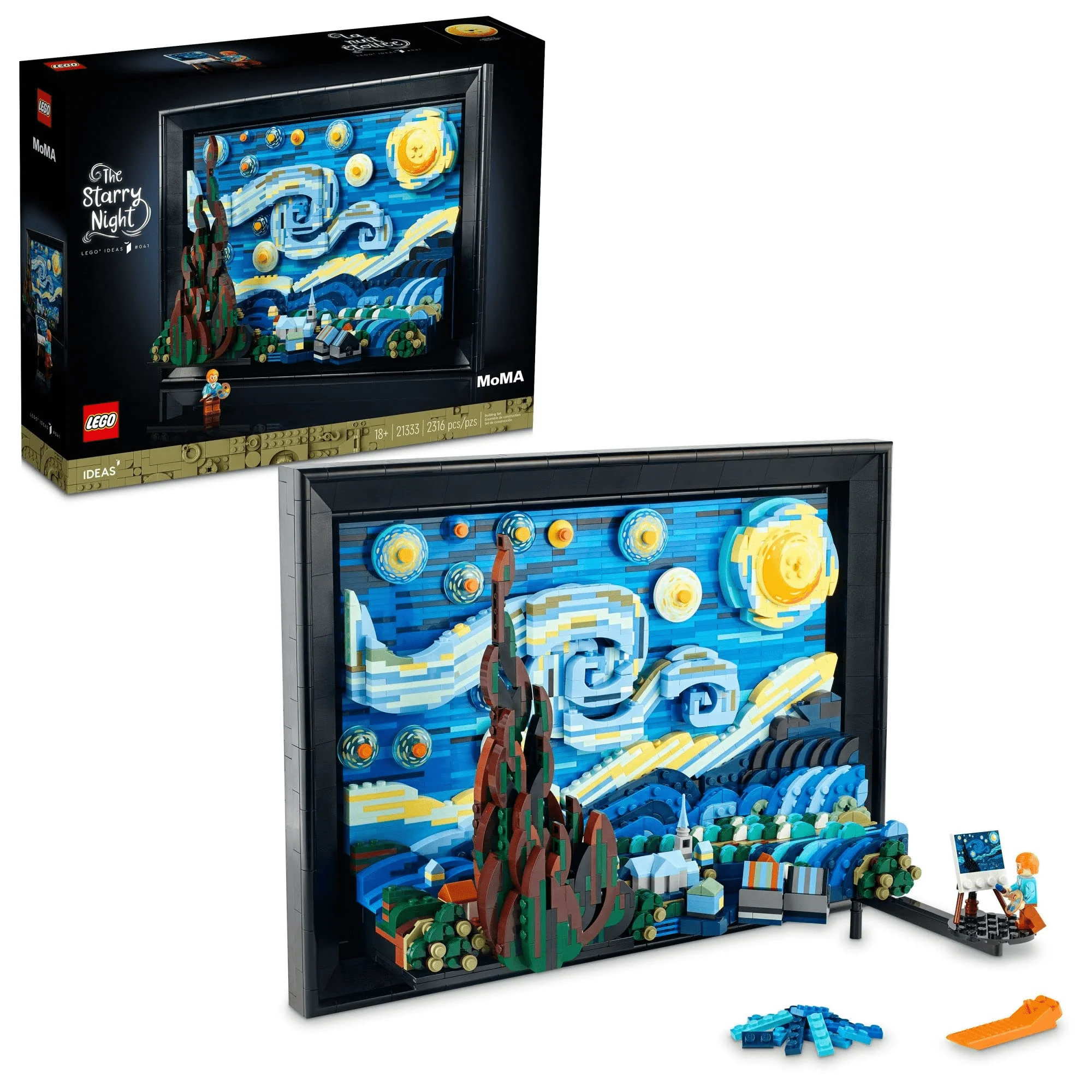
LEGO's adult-focused lineup has expanded well beyond the classic sets. LEGO Icons offers polished, nostalgic builds — from the Bonsai Tree to detailed vehicle replicas — aimed squarely at design-conscious adults. LEGO Architecture turns skylines and landmarks into buildable models, appealing to anyone who loves cities, structure, and clean geometry. LEGO Botanicals takes a gentler approach, offering brick-built flowers, succulents, and bonsai trees marketed as everlasting home décor that never needs watering. LEGO Art pushes furthest into creative expression, translating gallery-worthy pieces — Gustav Klimt's “The Kiss,” Van Gogh's sunflowers — into pixel-style mosaics for the wall. And LEGO Ideas, largely fan-submitted, channels enthusiasm from hobbyists themselves into official sets, from botanical collections to niche pop-culture tributes.
Fandom Meets Fine Motor Skills
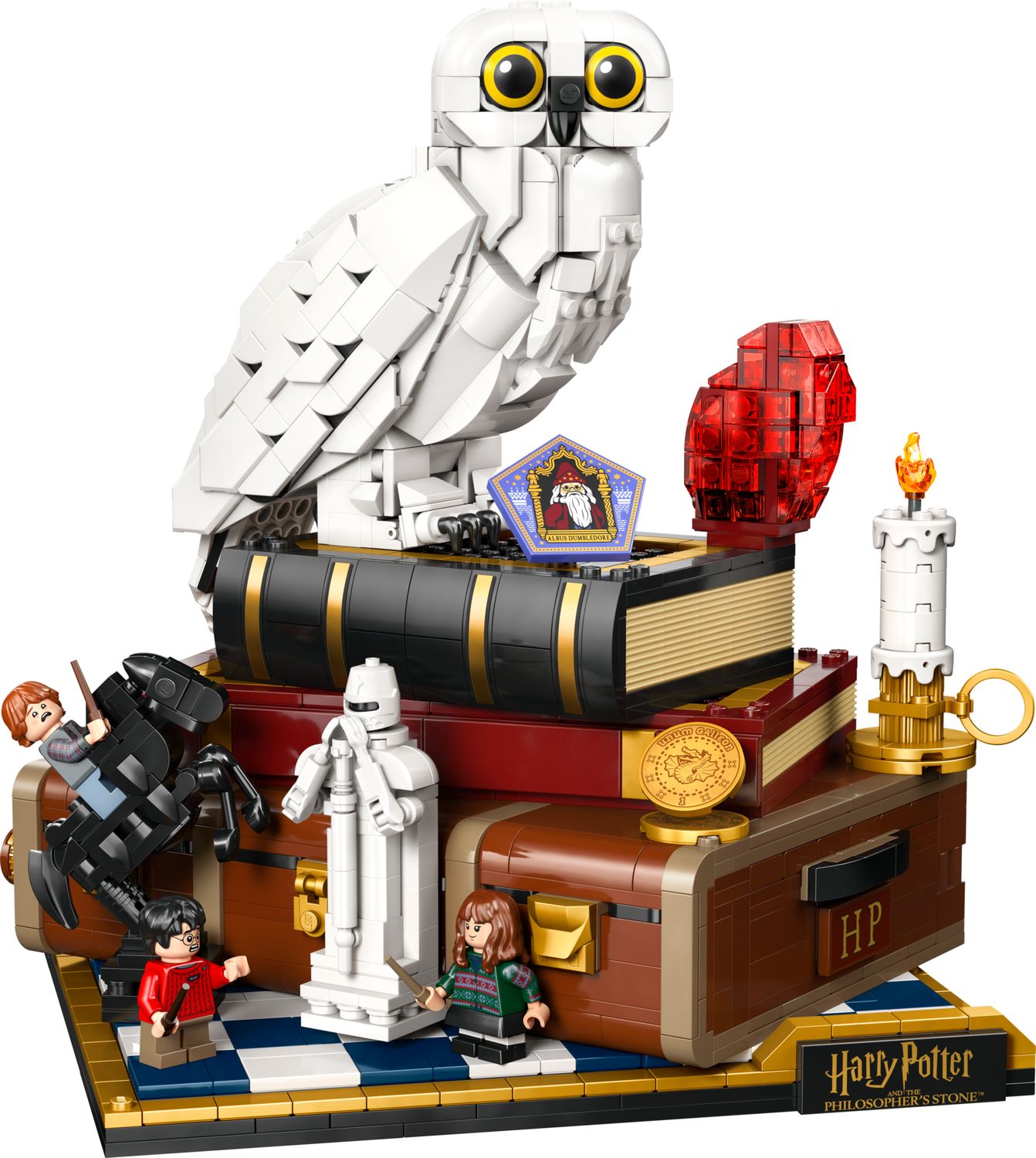
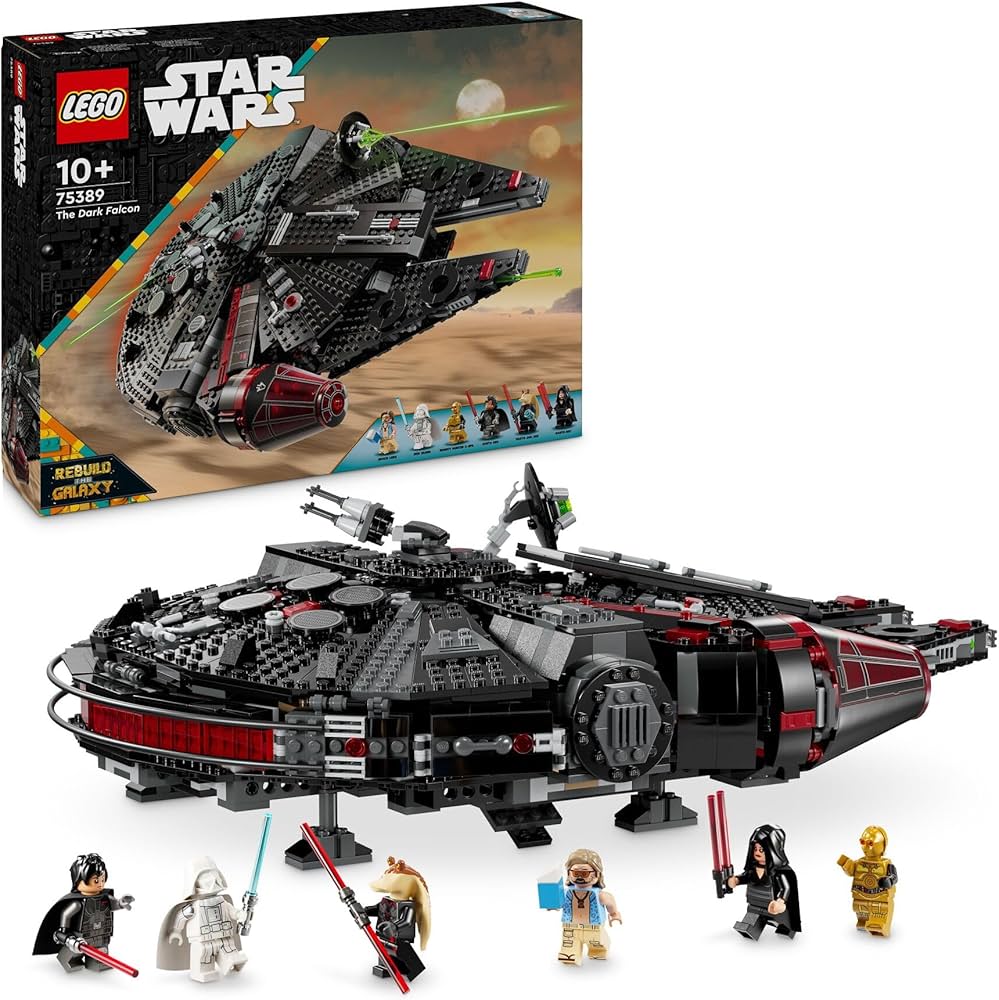
Licensing deals have supercharged adult interest. Star Wars remains a cornerstone, but LEGO has broadened its reach with Harry Potter castles, Marvel vehicles and dioramas, Nintendo's Mario-themed builds, and detailed Formula 1 car replicas that mimic real team liveries. These aren't watered-down kids' kits — many carry the 18+ label, signaling smaller pieces, longer build times, and display-ready finishes. That label has its own history: it replaced the old Creator Expert branding in 2020, before LEGO folded its adult-focused sets under the now-familiar LEGO Icons name in 2022 — a rebrand aimed at making the adult portfolio easier to find and less niche-sounding.
Community, Scarcity, and the Collector's Itch
None of this would matter without a community to sustain it. Adult Fans of LEGO, often called AFOLs, trade builds online, attend conventions, and treat certain releases the way sneakerheads treat limited drops. Retired sets appreciate in value; limited editions sell out fast. That scarcity, paired with the genuine satisfaction of finishing a build, has turned LEGO from something you outgrow into something you collect.