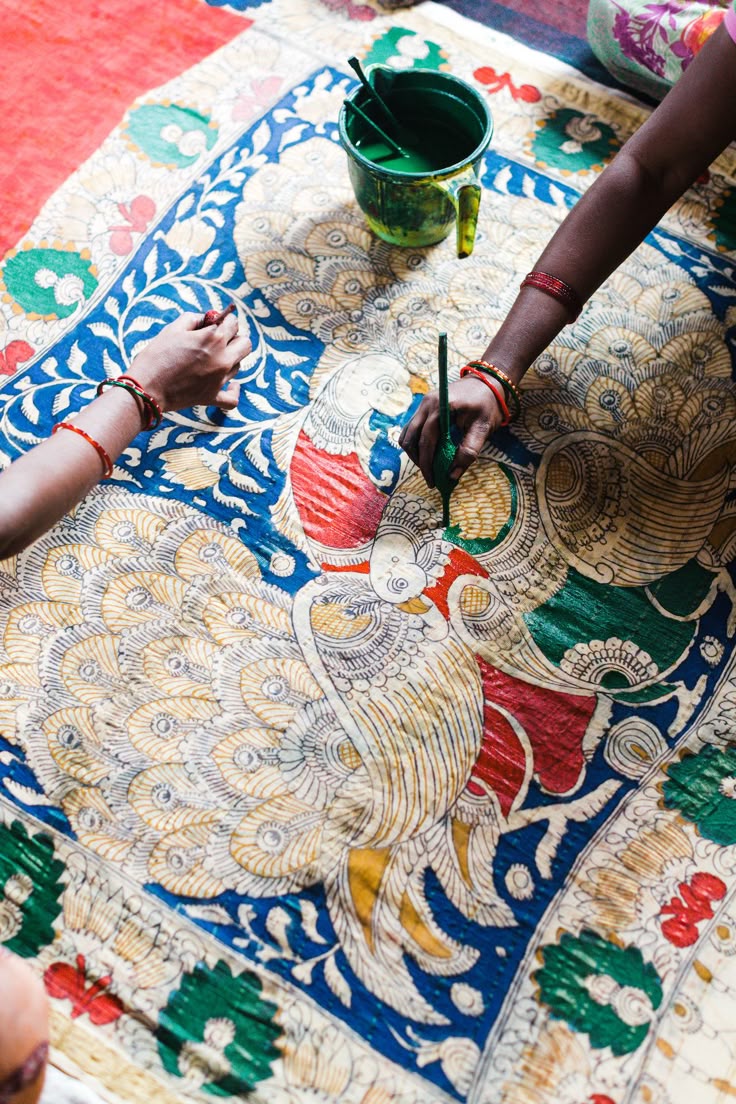
For years, Indian textiles were largely associated with weddings, festivals, and family celebrations. Handwoven Banarasi silk, airy Chanderi, vibrant Ikat, Ajrakh prints, and hand block prints were admired, but they were not always part of everyday wardrobes. That is changing. Today, many people are choosing handloom shirts for work, cotton sarees for daily wear, and naturally dyed kurtas for casual outings. Traditional fabrics are no longer saved for special occasions. They are becoming part of everyday dressing.
More Than a Fashion Trend
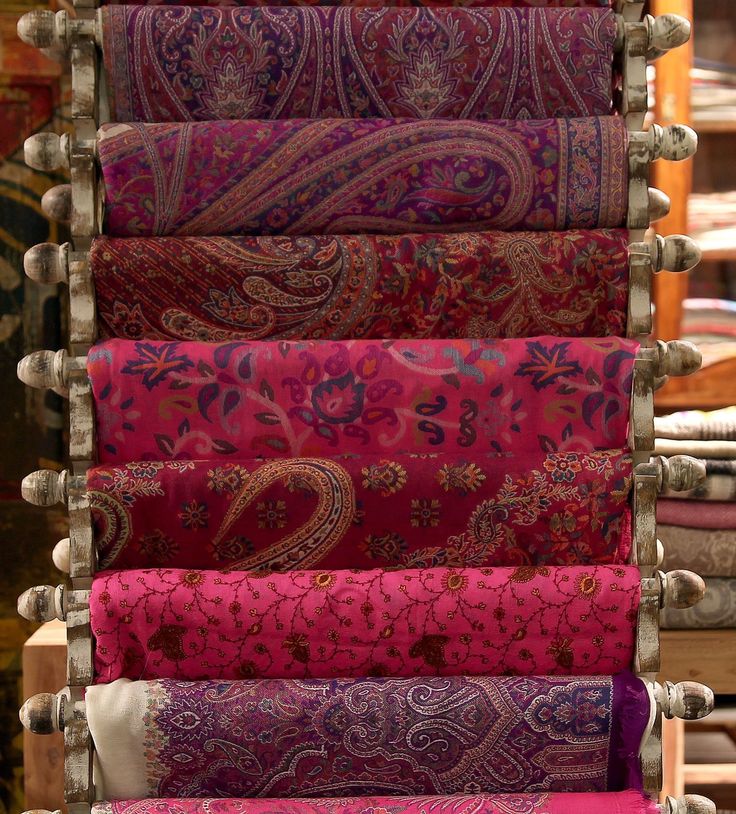
This change reflects a broader shift in how people think about clothing. Instead of buying large amounts of fast fashion, many shoppers want pieces with meaning. They are becoming interested in where a fabric comes from, how it is made, and who creates it. Indian textiles carry stories of regional craftsmanship passed down through generations. Choosing handloom also supports artisans while encouraging a slower, more thoughtful approach to fashion.
Tradition Meets Modern Design
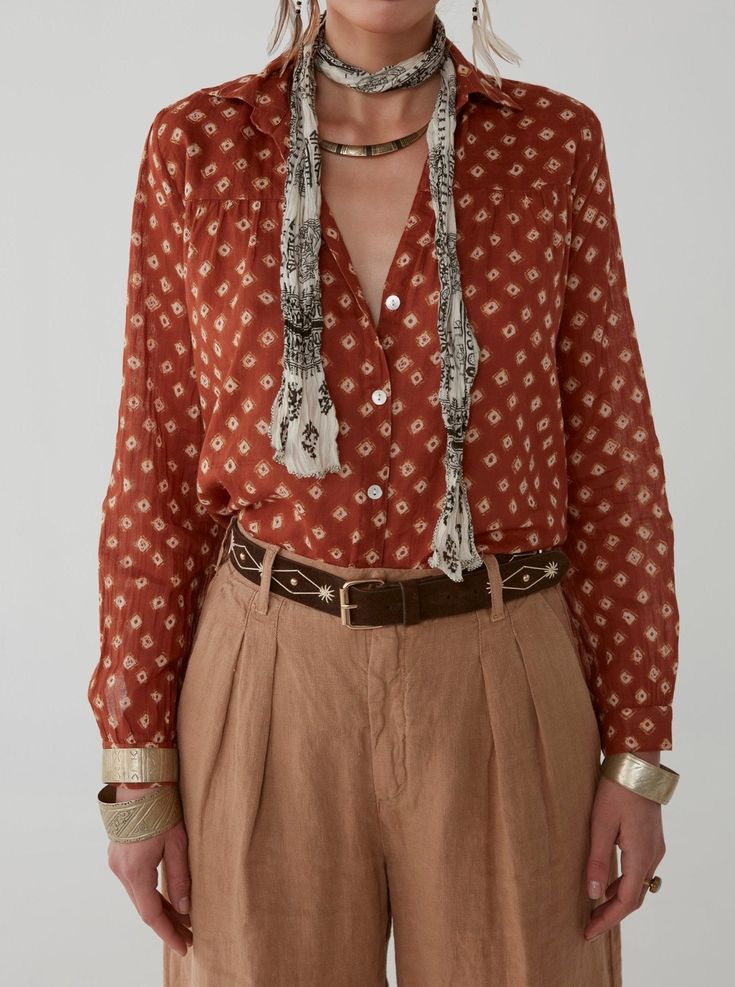
Independent labels and Indian designers have helped make traditional textiles more accessible. They are using heritage fabrics in relaxed silhouettes that fit modern lifestyles. A Chanderi shirt pairs easily with jeans. An Ikat dress works in both offices and cafes. Hand block printed co ord sets, cotton dresses, and naturally dyed separates appeal to younger consumers because they are comfortable, breathable, and versatile. Social media has also introduced many people to the history behind these fabrics, making them appreciate the craftsmanship as much as the design.
A Style That Lasts
Indian textiles offer something that trends often cannot. They combine beauty, comfort, and cultural heritage. Every weave and print reflects the identity of a region and the skill of the people who make it. As more consumers look for quality over quantity, traditional fabrics are finding new relevance. Their return shows that everyday fashion does not have to choose between modern style and heritage. It can celebrate both, proving that some of the most timeless pieces are the ones that have always been part of India’s story.