
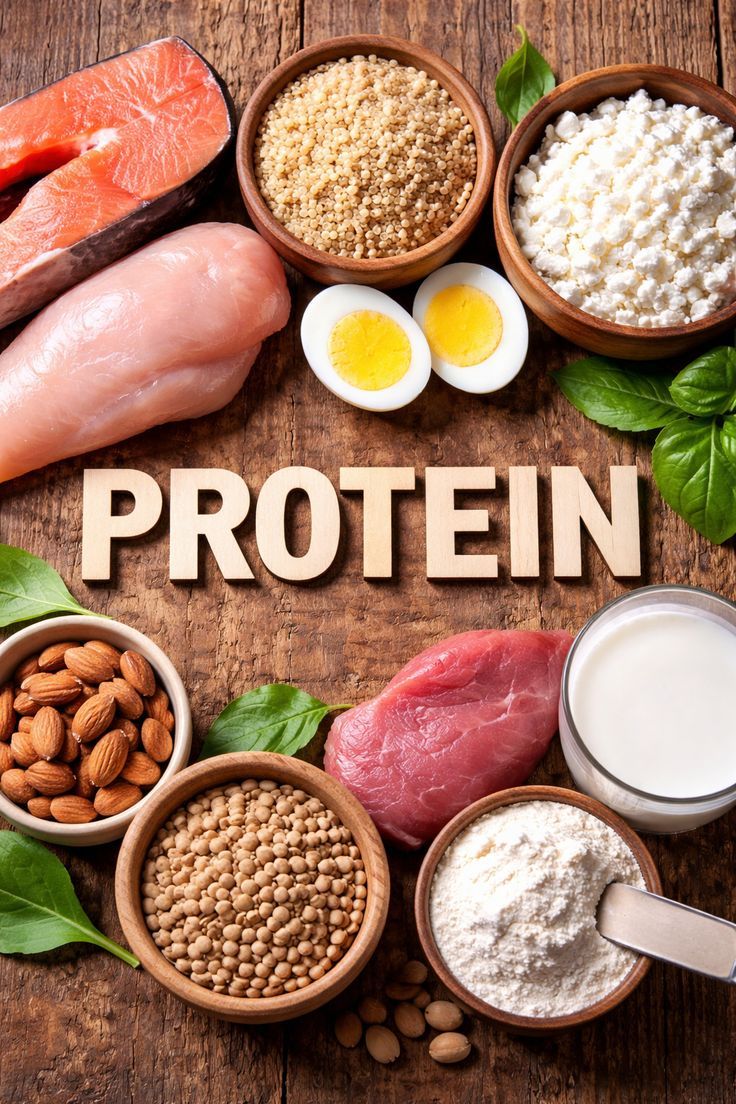
Walk down any grocery aisle and you will see it stamped on nearly everything: chips, ice cream, water, even candy. Protein used to be the quiet nutrient bodybuilders cared about. Now it is the headline. It has become the word food brands lead with, the thing people search for before checking anything else on a label, and the topic that comes up at almost every dinner table. So how did one nutrient take over the way we think about eating?
From gym bags to grocery carts
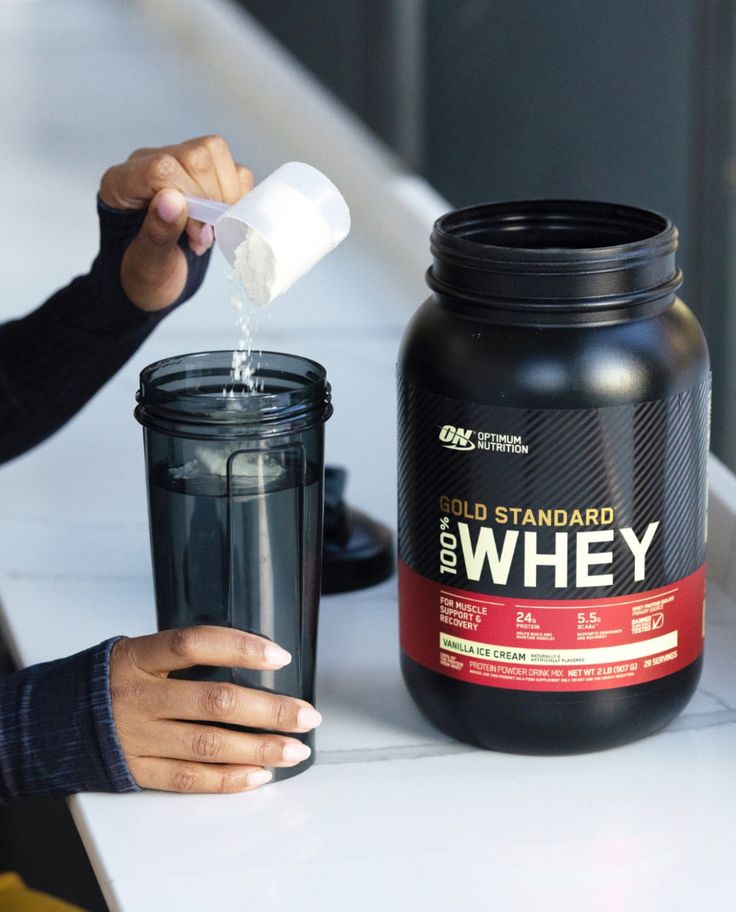
Protein powder and shakes used to belong to a specific crowd: the ones lifting weights and chasing muscle gains. That world has widened. People who have never set foot in a gym now think about protein the way they once thought about calories or sugar. It has quietly become the measure of whether a meal counts as good for you, and food brands have followed the shift, rebranding snacks and drinks that used to be about indulgence into something that sounds almost virtuous.
A nutrient that feels like control
Part of the appeal is how protein makes people feel. It is filling in a way that carbs and sugar are not, and that sense of staying fuller for longer feels like a small win in a world of constant snacking and mindless eating. Choosing the high-protein option feels like a decision you can stand behind: simple, clear and easy to explain to yourself. In a food world full of confusing advice, protein feels refreshingly straightforward.
The influence of fitness culture
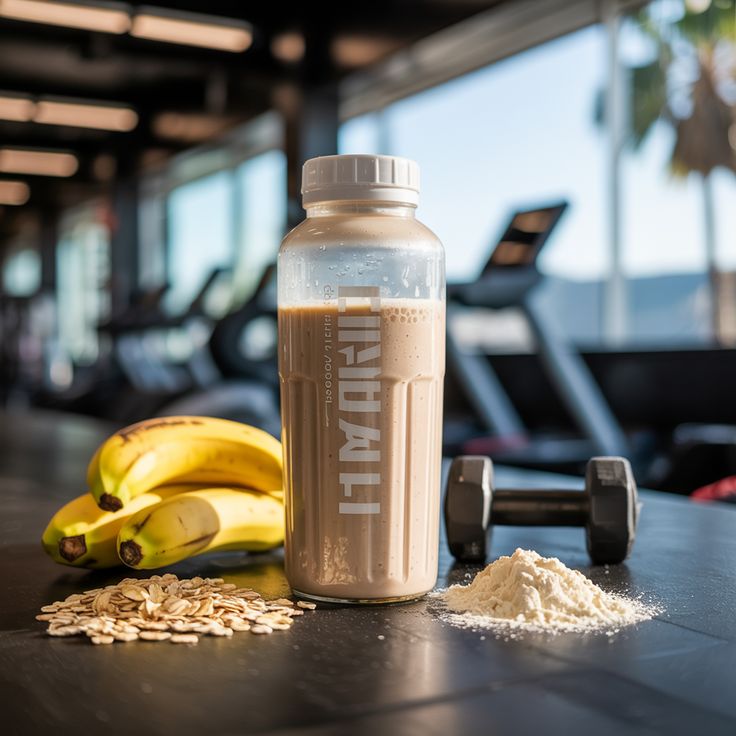
Strength training has moved from a niche hobby to something people genuinely enjoy and talk about openly, and with it came a whole new way of eating. Building muscle, staying strong and ageing well are now goals shared far beyond the gym crowd. Protein sits right at the centre of that conversation, since it is the nutrient most tied to strength and recovery. As more people chase that kind of fitness, protein naturally rides along as the food world's favourite talking point.
Marketing loves a simple story
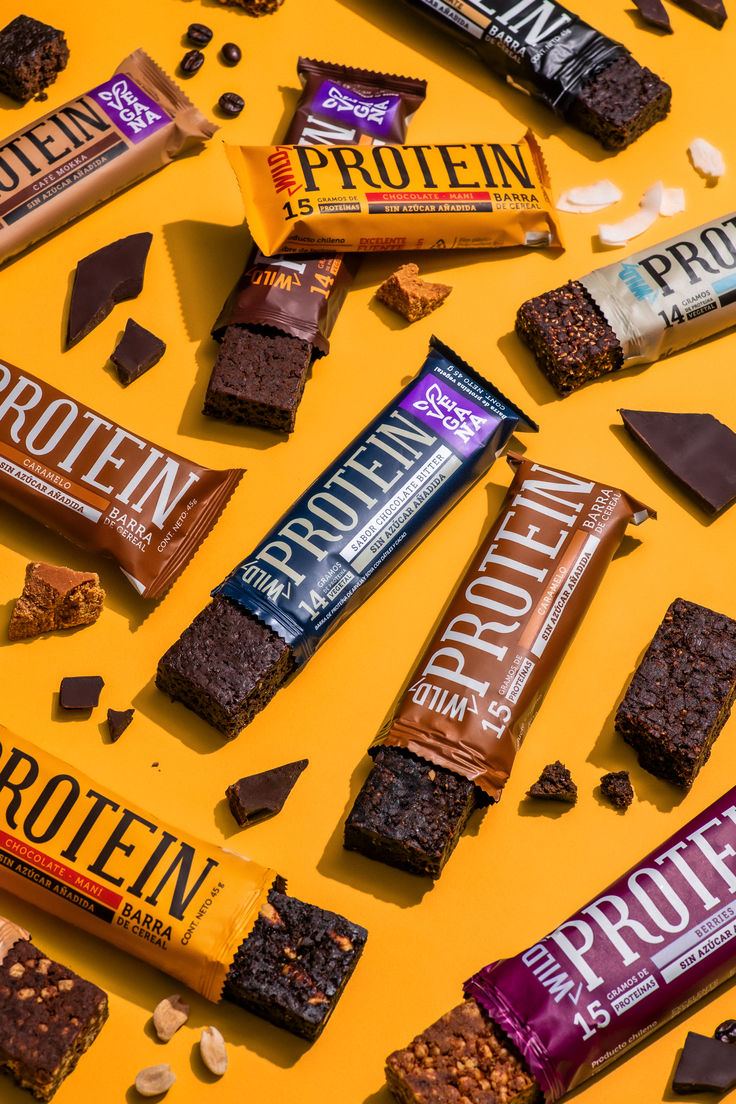
Food companies are quick to notice what people want, and protein gives them an easy story to tell. A bold number on the front of a package is far easier to sell than a long explanation of balanced eating. That is why cereal, bread, even sparkling water now come with a protein claim front and centre. It taps into something people already believe—more protein is better—and turns that belief into a reason to buy.
Worth remembering
None of this means protein deserves all the attention it gets, or that every high protein product is automatically better for you. Food still works best as a whole picture, not a single number on a label. But the buzzword is not going away soon. It has tapped into something people genuinely care about: feeling strong, staying full and eating with a bit more intention.