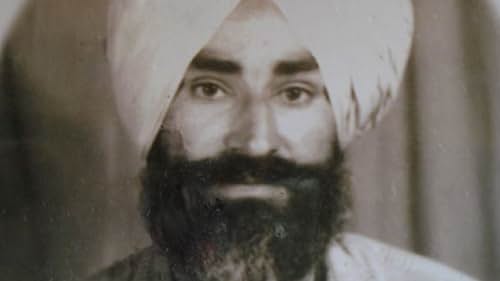
Jaswant Singh Khalra was a Sikh human rights activist from Punjab, born in 1952 in Khalra village, Amritsar district. He worked as a bank employee in Amritsar through the 1980s and served as General Secretary of the Human Rights Wing of the Shiromani Akali Dal.
Uncovering the Mass Cremations
Khalra's life changed when he noticed several Sikh colleagues and acquaintances going missing during the years of militancy in Punjab. He began digging into municipal records at cremation grounds in Amritsar and Tarn Taran, which showed names, ages and addresses of people killed and cremated as unclaimed bodies.
In January 1995, Khalra made his findings public. He said several thousand illegal cremations had taken place across these districts, and he believed the true number of Sikhs killed and secretly cremated across Punjab was close to 25,000. His work drew the attention of the National Human Rights Commission and human rights groups abroad.
Abduction and Death
On 6 September 1995, Khalra was washing his car outside his home in Amritsar when Punjab Police personnel picked him up. He was taken into illegal custody, tortured at Jhabal police station, and eventually shot dead. His body was thrown into the Satluj river and was never recovered.
His wife, Paramjit Kaur Khalra, fought a long legal battle after his disappearance. A CBI court in Patiala convicted six Punjab police officials in November 2005. In 2007, the Punjab and Haryana High Court upheld five convictions and enhanced them to life imprisonment, acquitting the sixth official. The Supreme Court upheld this verdict in November 2011.
Bringing His Story to the Screen
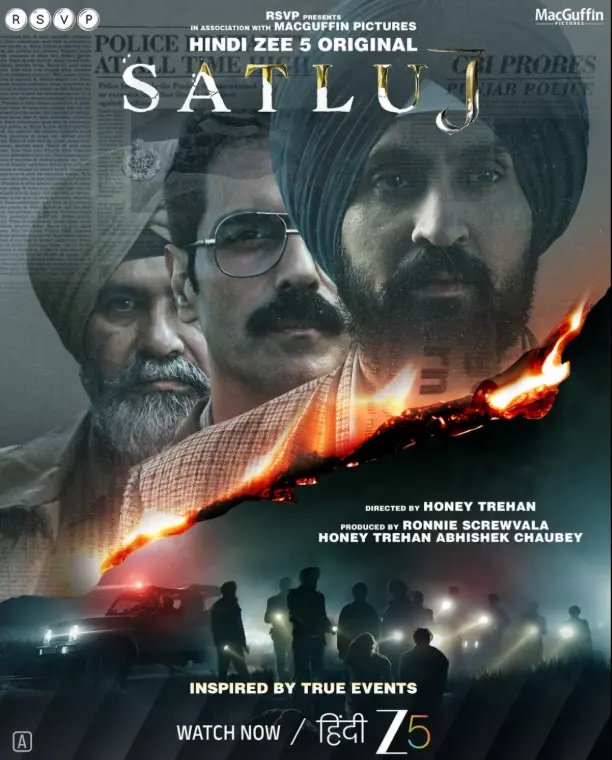
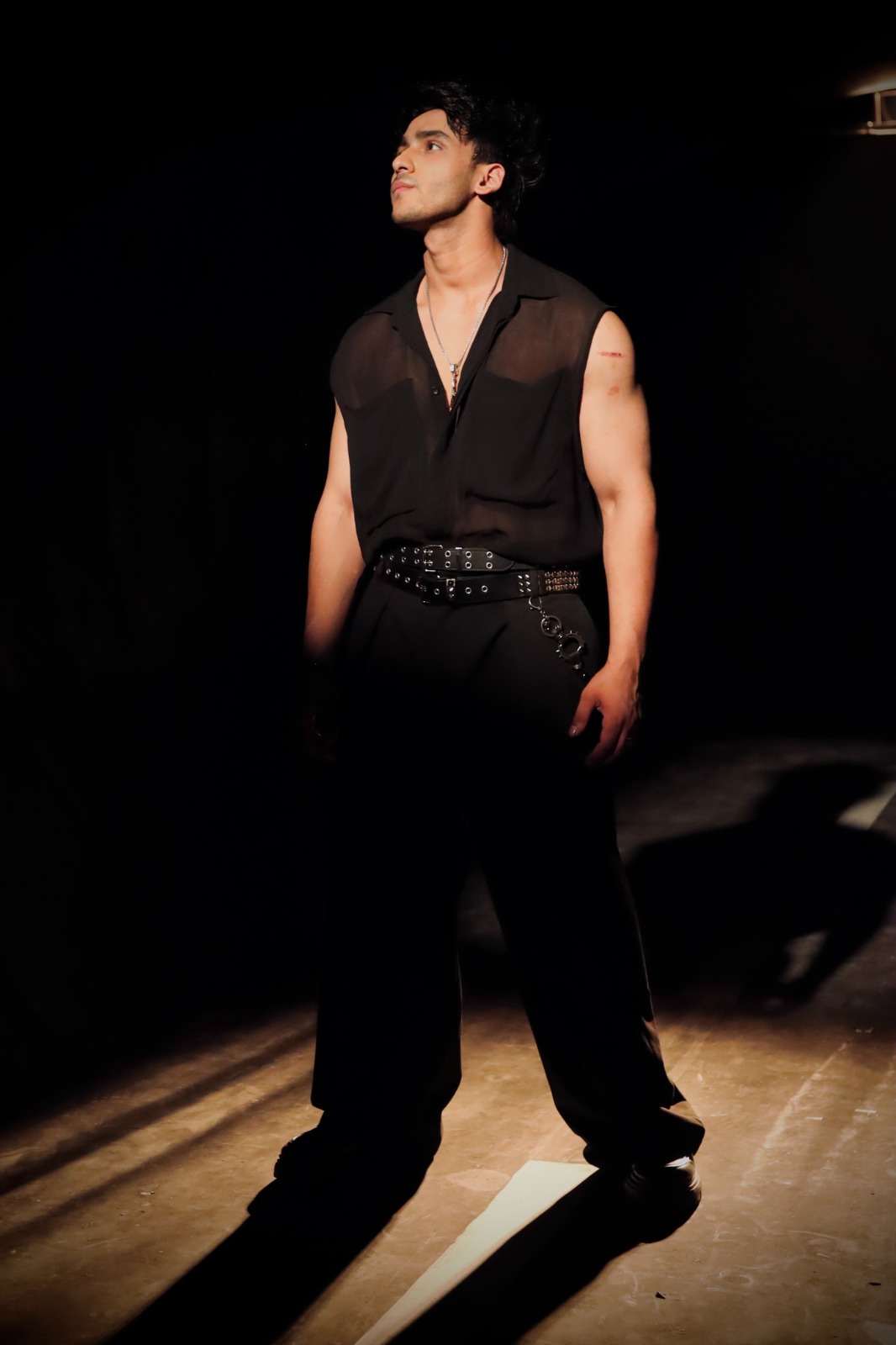
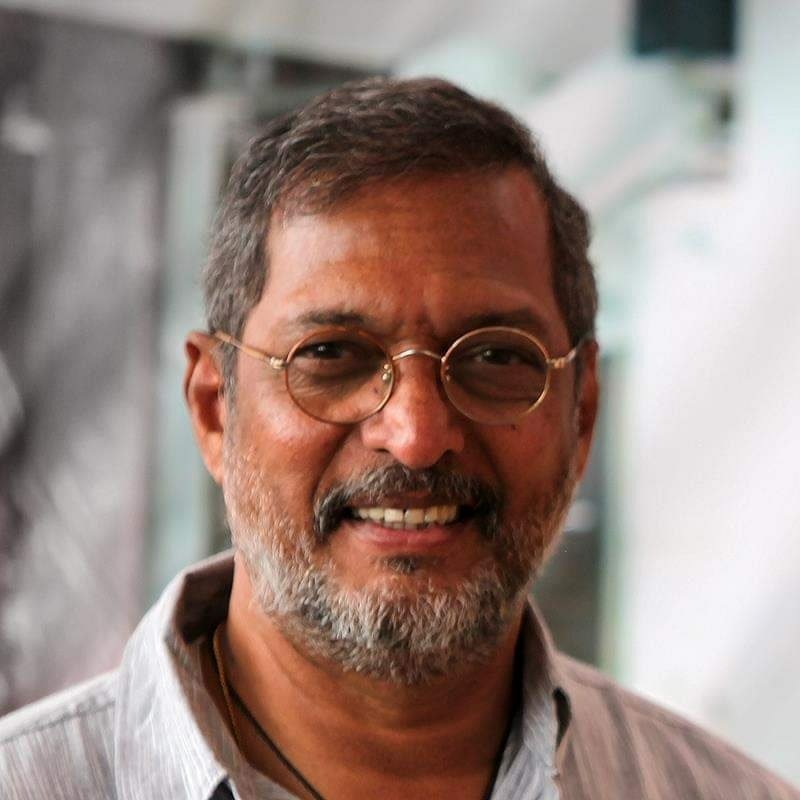
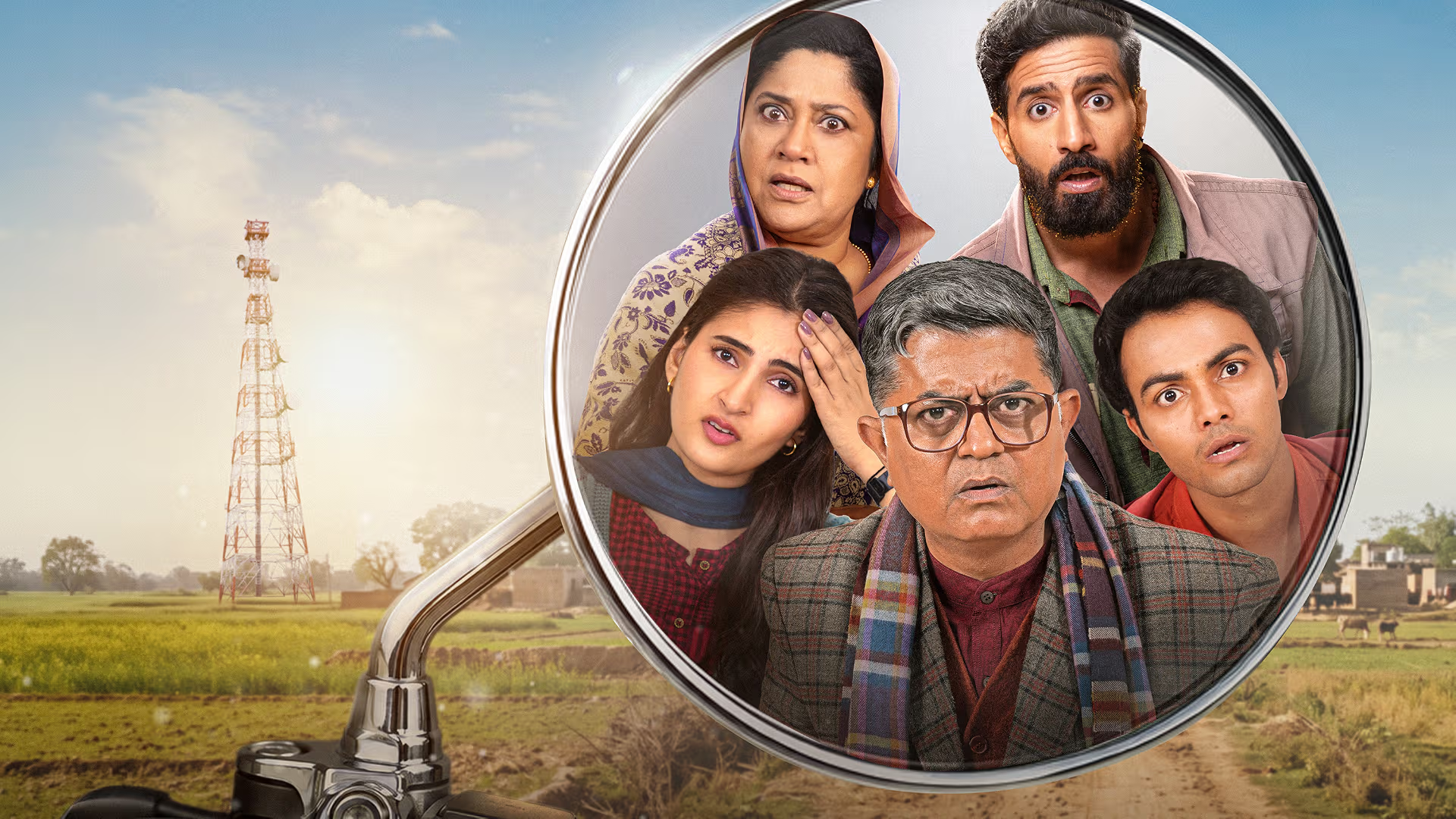
Decades later, Khalra's story reached audiences through a film starring Diljit Dosanjh as Khalra, alongside Arjun Rampal, Kanwaljit Singh, Suvinder Vicky and Geetika Vidya Ohlyan, and directed by Honey Trehan. The film had a troubled journey to release. It was first announced under the title Ghallughara, a historic term for massacres of Sikhs, then renamed Punjab '95, and finally released as Satluj, a name that points to the river where Khalra's body was allegedly disposed of.
The repeated title changes came out of a long dispute with the Central Board of Film Certification, which began when the film was submitted for certification in late 2022 under its original title. Over time, the board's demands grew to around 127 cuts. These reportedly included removing references to real locations such as Tarn Taran, altering references to the Punjab Police, deleting shots of the Indian flag, and even asking that Jaswant Singh Khalra's name be removed from the film entirely. The makers refused to make these changes, which kept the film out of Indian cinemas for more than three years.
Taken Down from ZEE5
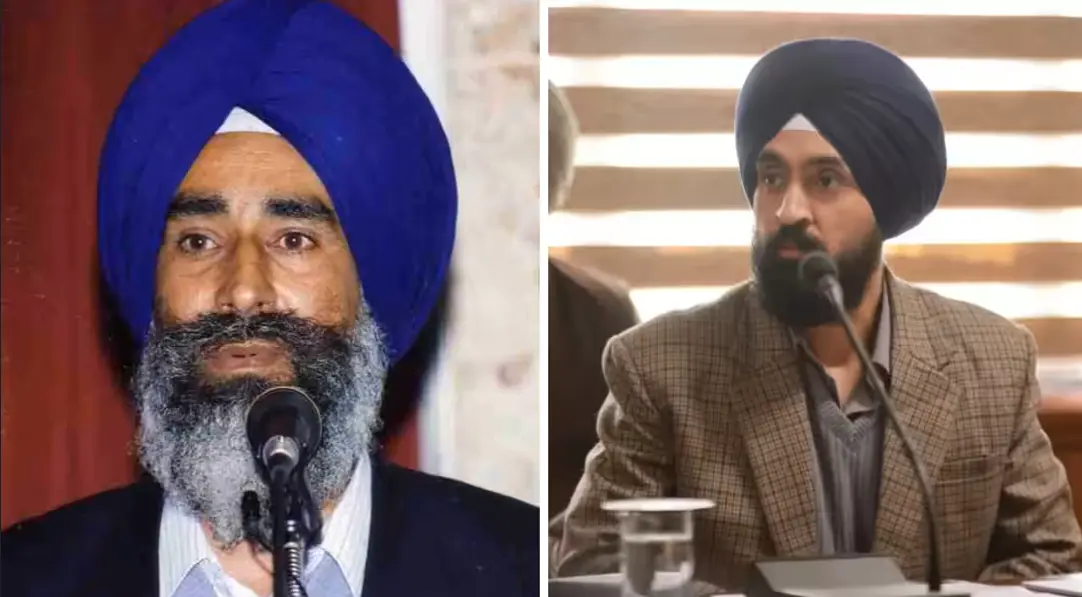
Satluj finally released on the streaming platform ZEE5 on 3 July 2026, after years of delay, in its uncut form. Within two days, it was pulled from the platform in India without a detailed public explanation. ZEE5 said the film would remain unavailable in India until further notice while it explored ways to bring it back.
The takedown drew strong criticism from lawyers, filmmakers and Sikh organisations, who called it an attempt to suppress an important chapter of Punjab's history. Diljit Dosanjh and others pointed out that the film had already been widely watched and shared before it was pulled.
Legacy
Jaswant Singh Khalra is remembered today as one of India's most courageous human rights defenders. Even three decades after his death, his story keeps running into obstacles, first through his own murder, and now through the struggle to get it told on screen.