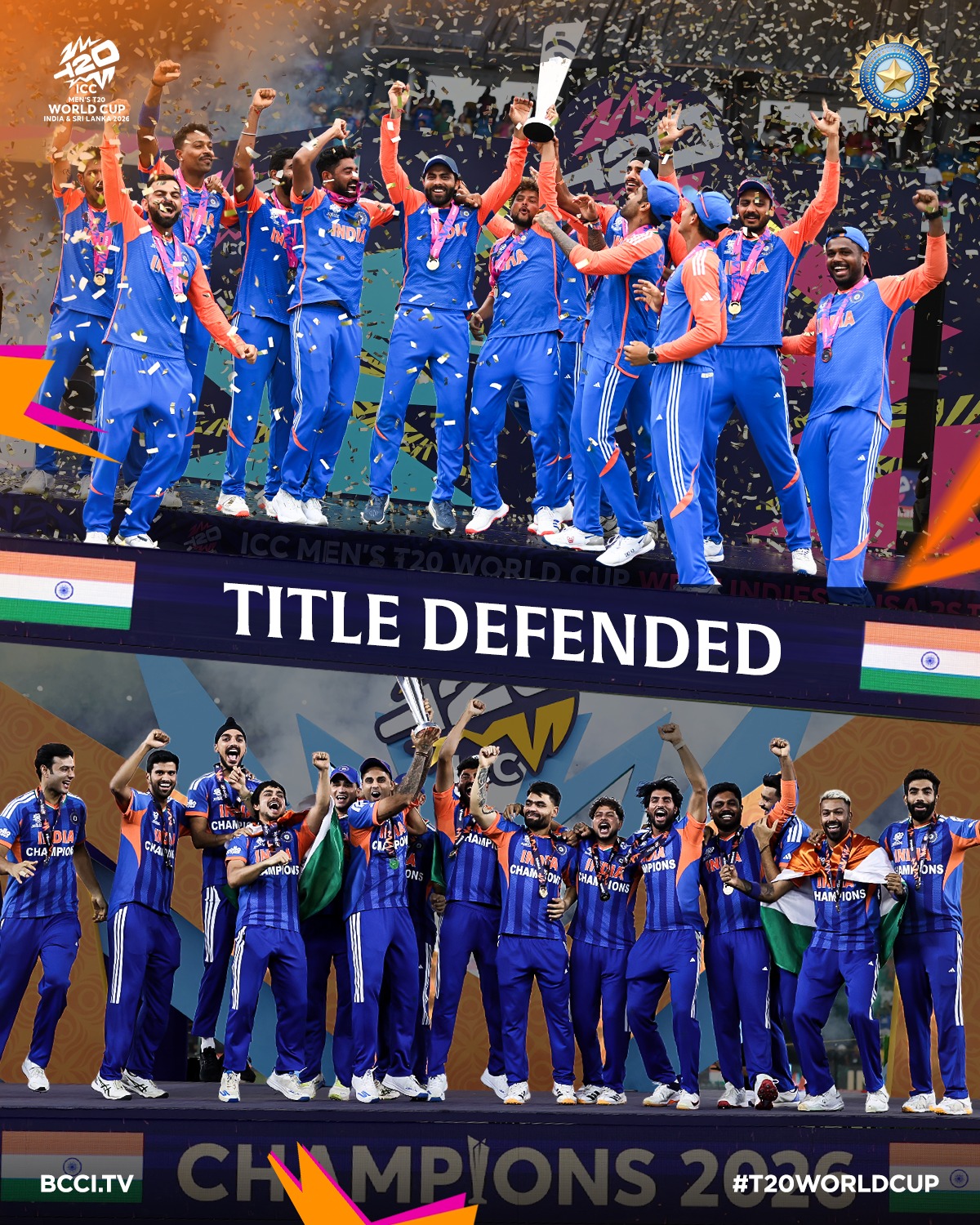
On nights like the one on 8 March 2026, when cricket became more than just a sport in a country of this size, it’s more like an emotional bond of a language that can unite the millions of people watching the match at once. India beating New Zealand in the T20 Cricket World Cup 2026 Final was not merely a victory for the Indian National Team, but also one time that the heart of an entire country could be felt beating at once. And the celebration at midnight felt like a festival that the entire country was celebrating.
This collective celebration is perhaps why cricket victories often resemble national festivals. When India wins, it is not just a team that triumphs—it is a shared dream. The chants of “India! India!” that echo in stadiums also reverberate in living rooms, tea stalls, and roadside screens. Even strangers on the streets exchange smiles, high-fives, and spontaneous embraces, united by the simple joy of belonging to the same team.
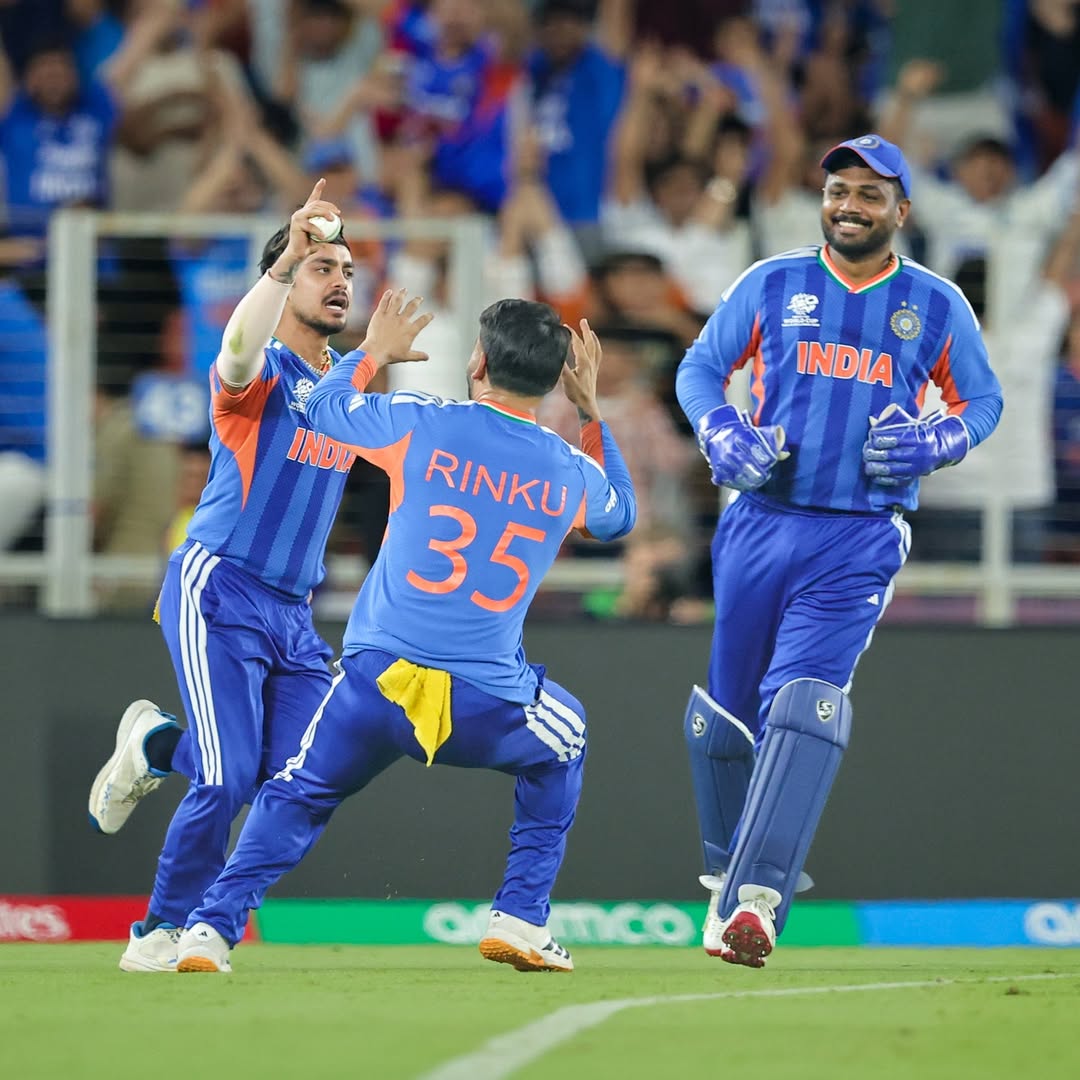
Yet the deeper lesson of nights like these lies beyond the scoreboard. Cricket quietly teaches the values of sportsmanship, resilience, and collective effort. The game reminds us that victory is rarely the achievement of one star alone. It is built through partnerships—through a batter steadying the innings, a bowler delivering under pressure, and fielders diving for every run. In many ways, the cricket field becomes a metaphor for society itself: success comes when individuals work together for something larger than themselves.
In almost every city and town across India, it looked like almost every crowd gathered after every single ball in their respective cities to cheer for the Indian National Team and celebrate together as if they were all family. There is also a rare humility embedded in the sport. Even in victory, players often acknowledge the opposition, reminding fans that respect and grace are integral to competition. In an era often defined by loud divisions, such moments offer a quiet reminder that rivalry does not have to erase dignity.
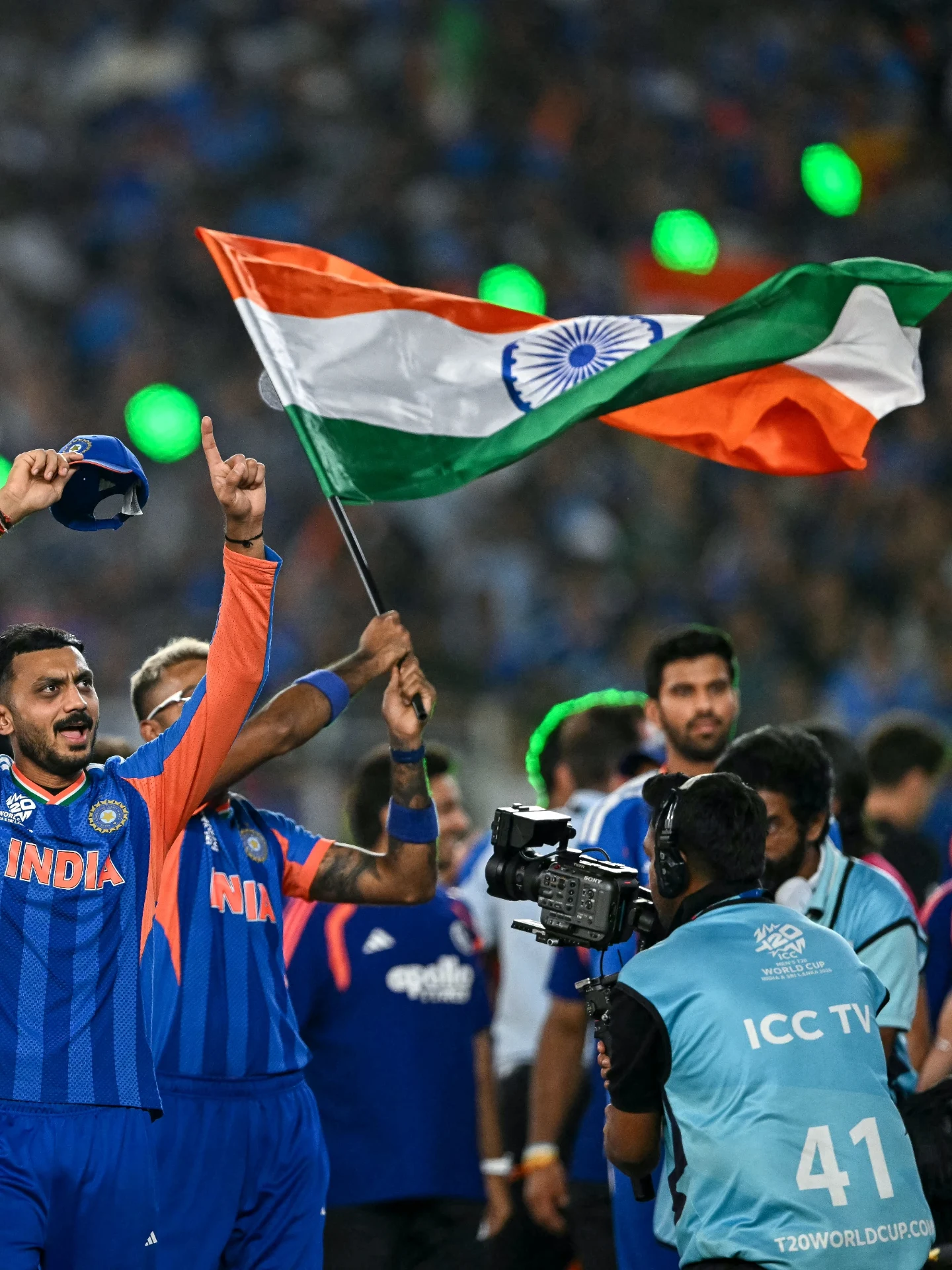
At India Gate in New Delhi, crowds gathered long after the final ball was bowled. Strangers draped in blue jerseys hugged each other as if they had known each other for years. Fireworks lit the night sky from every neighbourhood, from Marine Drive in Mumbai to Park Street in Kolkata. Sweet shops suddenly found long queues as people distributed laddoos and barfis to celebrate a victory that felt deeply personal to everyone.
One of the key ingredients that make cricket so powerful in India is the ability of the game to eliminate these invisible barriers that generally exist in the way our society is divided between the varying levels of language, religion, class, or caste. For a few luminous hours, the nation forgets its arguments and anxieties. Fireworks light the sky, sweets circulate from hand to hand, and people wrapped in the same blue jersey celebrate as one extended family.
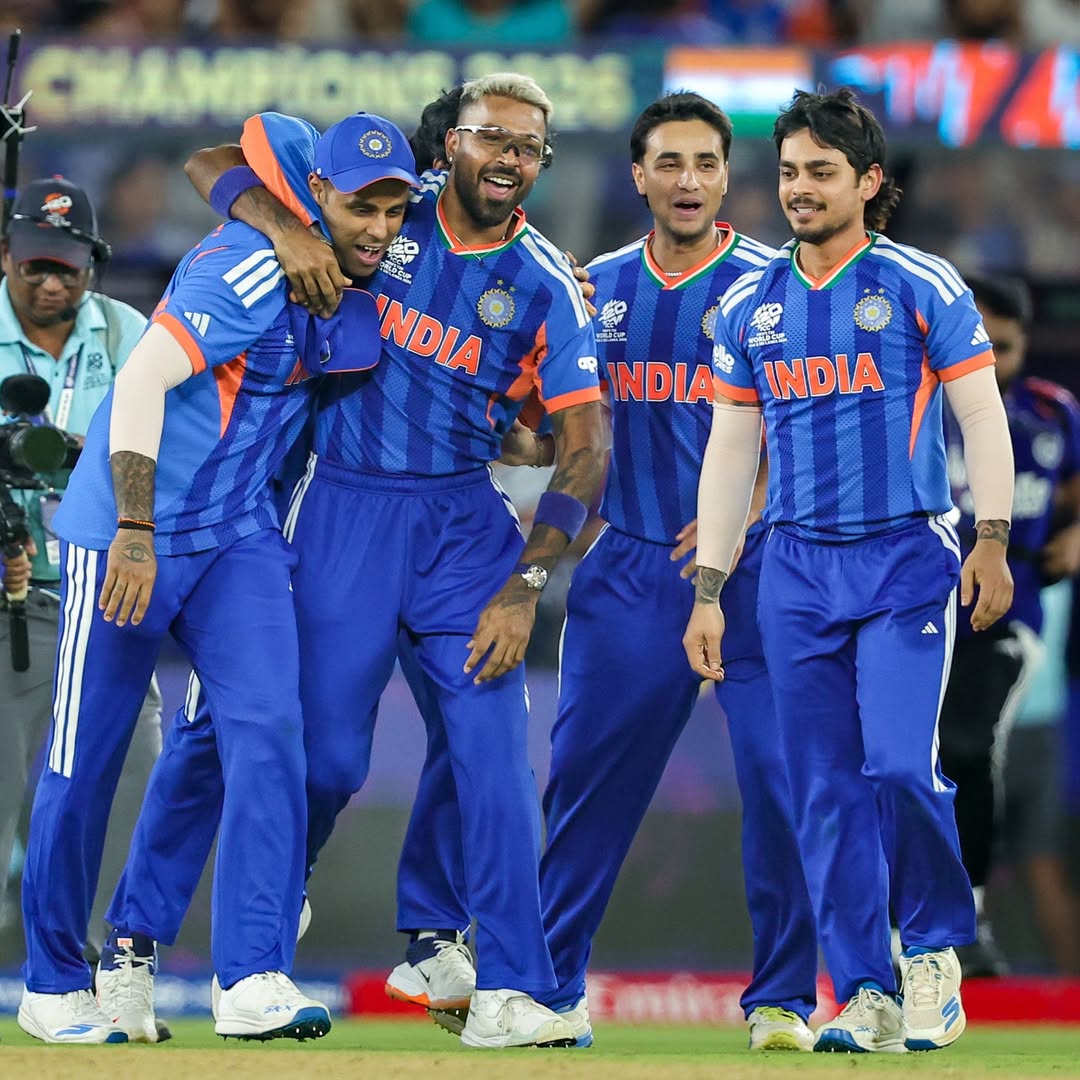
And when the celebrations finally fade into the early hours of the morning, what lingers is not just the memory of runs scored or wickets taken. What remains is the comforting realisation that somewhere beneath all our differences, there is still a shared rhythm that can bring an entire country together.
Image Credits: Instagram/@Indiancricketteam