
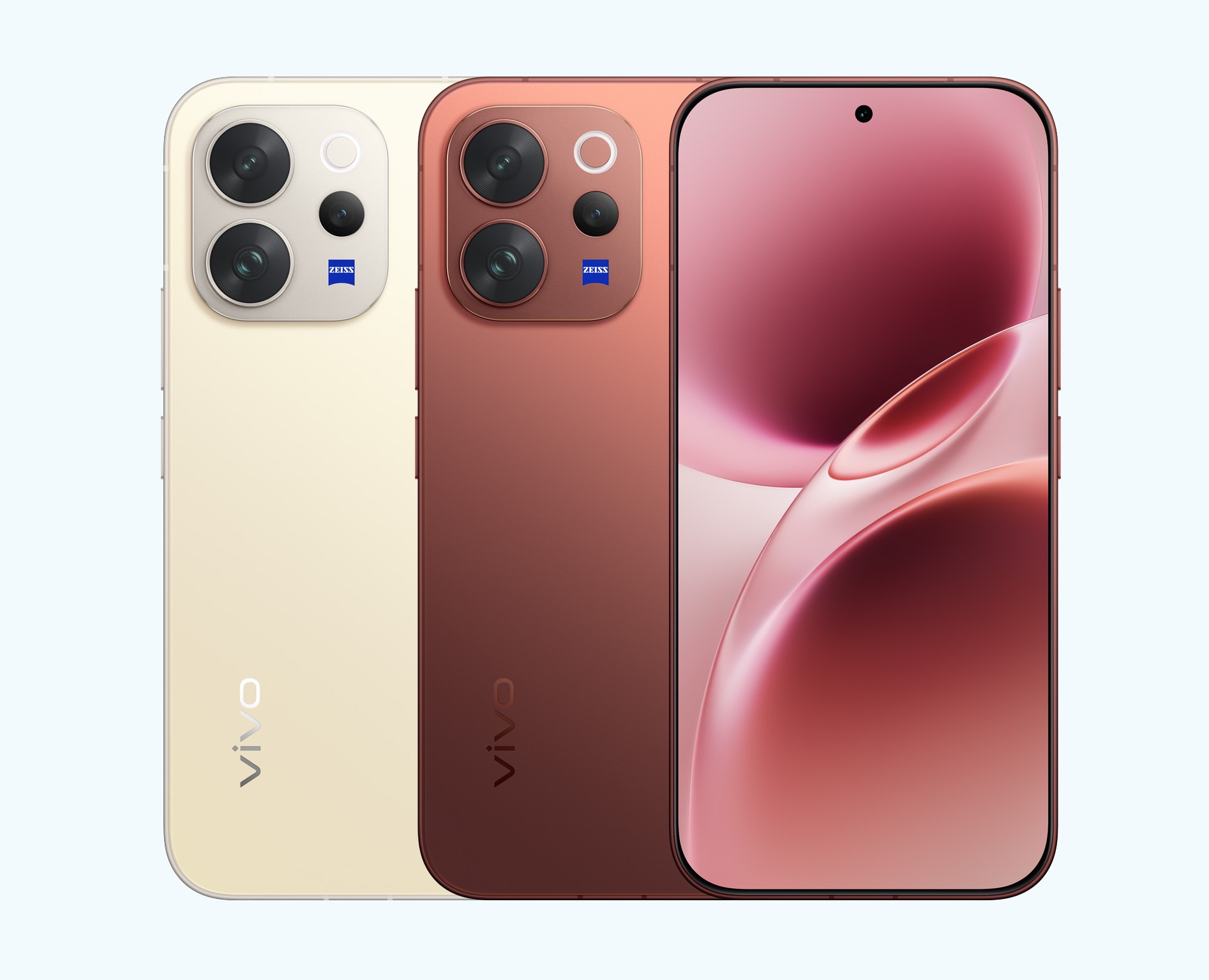
The Vivo V70 series doesn’t try to shock you. It’s not flashy in a “look what we reinvented” kind of way. Instead, it feels like Vivo looked at the V60, asked what people actually liked, and then quietly improved those things. Honestly? That’s not a bad strategy.
There are two versions this time—the regular V70 and the V70 Elite. Both are aimed at people who want strong cameras and a great screen without paying full flagship prices.
Display & design
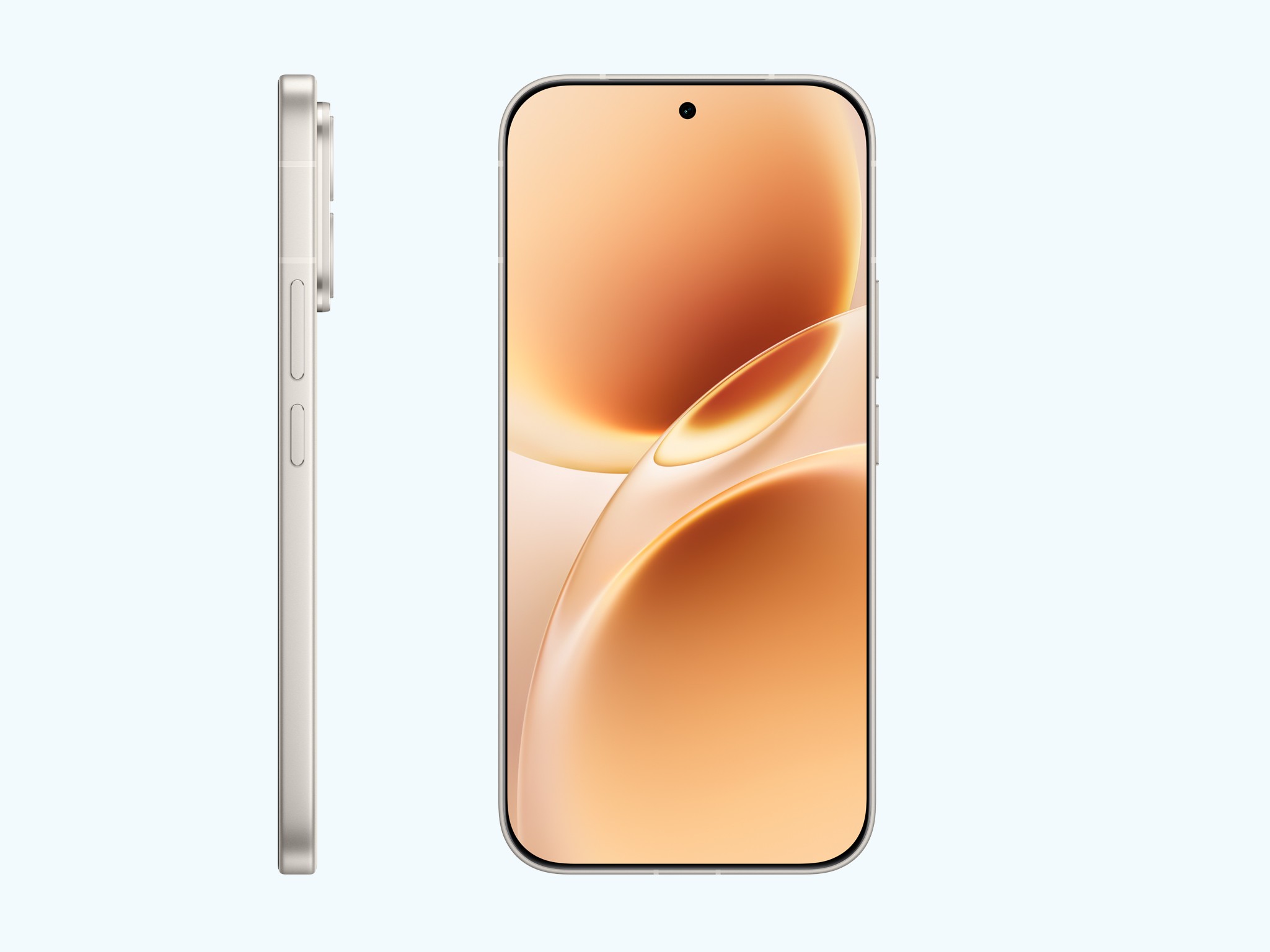
Both phones come with a 6.59-inch 1.5K AMOLED display running at 120 Hz. And yes, it looks really good. Colours pop, scrolling feels smooth, and watching videos on it is genuinely enjoyable. The brightness is especially impressive—outdoor visibility shouldn’t be an issue unless you're standing in direct noon sunlight for fun.
Design-wise, Vivo kept things clean. Slim bezels, metal framing, and an overall premium feel. It doesn’t scream "budget". It feels solid in hand—polished, but not overdone.
Performance & everyday use
Here’s where the lineup splits a bit.
The V70 Elite gets the newer flagship-lite chipset, giving it more muscle for gaming and heavier apps. If you play demanding games or edit videos on your phone, that extra power will matter.
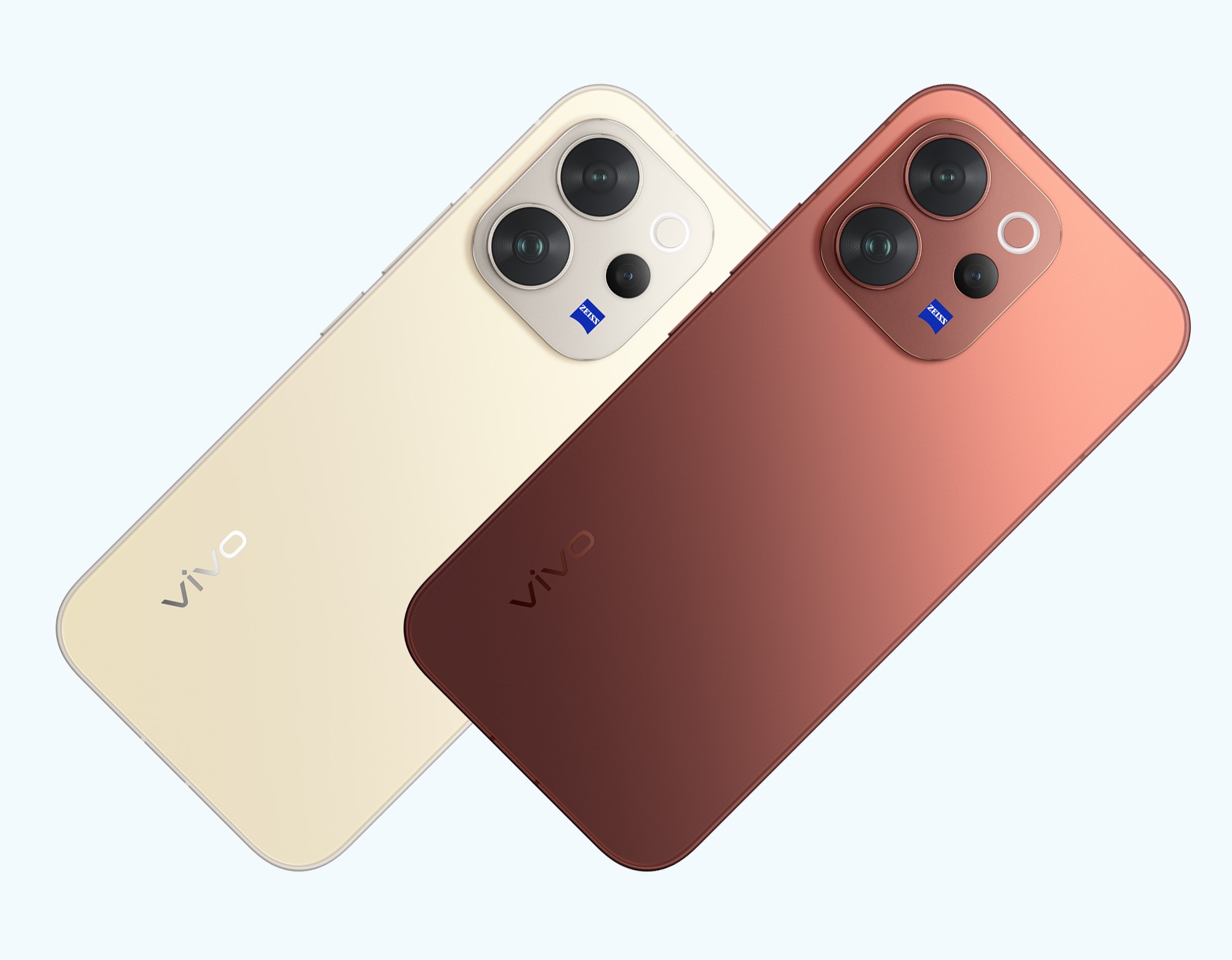
The standard V70 runs on the Snapdragon 7 Gen 4, which is still more than capable for everyday tasks—social media, streaming, and multitasking. For most users, it’ll feel fast and efficient. Unless you’re pushing it hard, you probably won’t notice a massive difference.
Both models offer up to 12GB RAM and plenty of storage, so you’re not constantly juggling apps or deleting photos.
Camera—where Vivo really leans in
Vivo’s collaboration with ZEISS is clearly a big focus here. On paper, the setup looks strong:
- 50 MP main sensor with OIS
- 50 MP secondary module
- 8 MP ultra-wide/assist
- 50 MP front camera
But specs aside, the real-world results are what matter. In daylight, photos are sharp with natural-looking colours—not overly saturated. Portraits look cleaner than previous V-series phones, and low-light shots benefit from stabilisation and software tweaks.
It’s not going to replace a DSLR, obviously. But for social media, travel photos, and everyday shooting? It’s very reliable. And that consistency matters.
Battery life—the quiet hero
A 6,500 mAh battery is big. Like, really big.
For average users, this should comfortably last a full day—possibly even two if you’re not glued to your screen. Heavy users will still appreciate the endurance.
Charging is fast too (around 90W wired), so even if you run it down, you’re not stuck waiting forever. It’s the kind of practical upgrade people actually notice.
Software & support
The phones ship with OriginOS based on Android 16, and Vivo is promising extended software and security support. That’s reassuring—especially in this price segment, where update promises can sometimes be vague.
The UI feels smooth overall. Animations are fluid, and the system seems well-optimised for the hardware.
Price & positioning
In India, the V70 series starts around ₹45,999 for the base configuration, with the Elite priced higher depending on RAM and storage. That puts it squarely in the mid-to-upper mid-range market—competitive, but not cheap.
Final thoughts
The Vivo V70 series doesn’t reinvent anything. It refines what already worked.
If you care about battery life, a bright, smooth display, and dependable cameras, it’s a strong contender. Go for the Elite only if you really need the extra performance. Otherwise, the standard V70 probably hits the sweet spot for most people.
Sometimes evolution is smarter than revolution, and this feels like one of those times.
Image Credits: Google Images