Sugar is everywhere, and cutting back on the refined stuff has become a real priority for many of us. The good news is there are natural sweeteners that bring flavour and a bit of nutrition along with the sweetness. Here are five worth knowing about, along with how they actually stack up against plain white sugar.
Jaggery
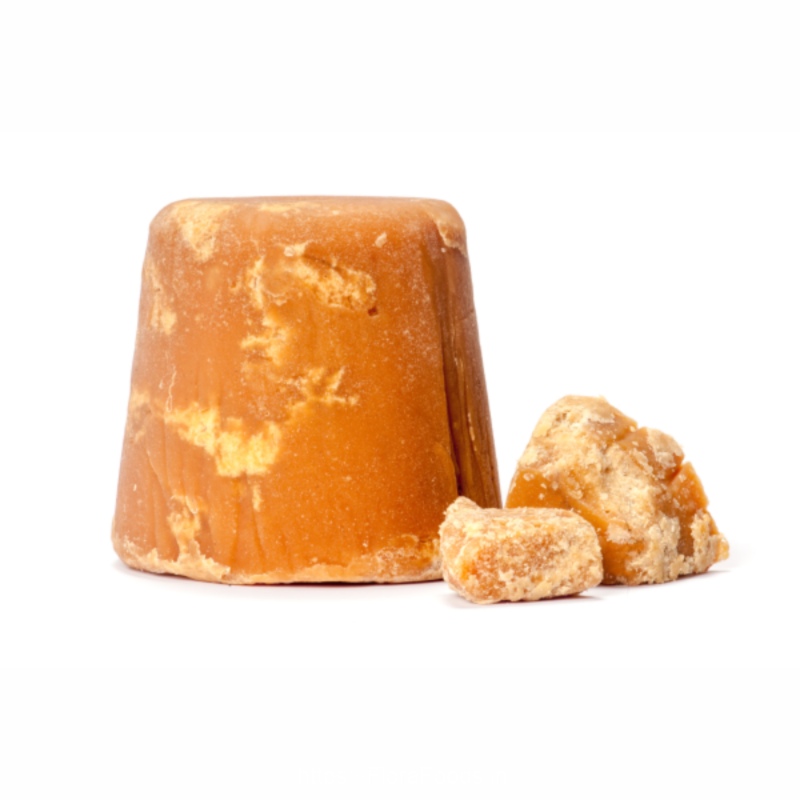
Jaggery, or gur, is made by boiling down sugarcane juice until it solidifies. It has a warm, caramel-like taste with earthy notes and shows up in Indian sweets, tea, and winter snacks. Calorie-wise, it is almost identical to refined sugar, so it will not help you cut calories. Its glycemic index runs close to sugar too, sometimes even higher, so it can spike blood sugar just as fast. What it does offer is small amounts of iron, calcium and magnesium that white sugar simply does not have. Brands such as Conscious Food and 24 Mantra Organic are commonly associated with organic, traditionally made jaggery, though it is worth checking current product listings before you buy.
Dates
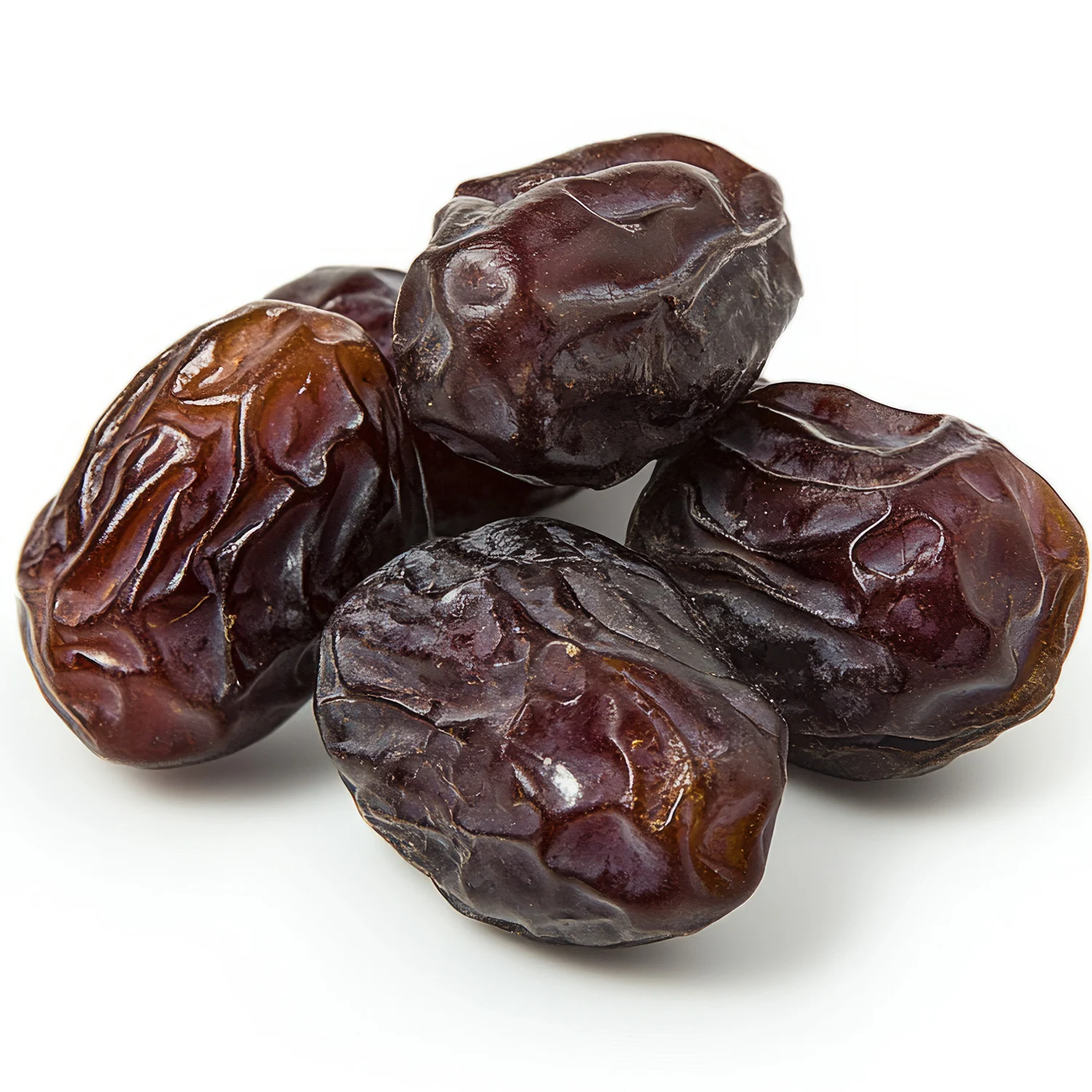
Dates are naturally sweet, sticky and rich in fibre. Blended into a paste or ground into date sugar, they work well in baking, smoothies and energy bites. Because dates are eaten as a whole fruit, their fibre slows down sugar absorption, giving them a moderate glycemic index that is generally lower than refined sugar. They do carry calories close to sugar gram for gram, but you get potassium, magnesium and antioxidants along with the sweetness. Urban Platter is one brand said to stock date syrup and date sugar, though it is worth confirming current availability before you buy.
Coconut Sugar
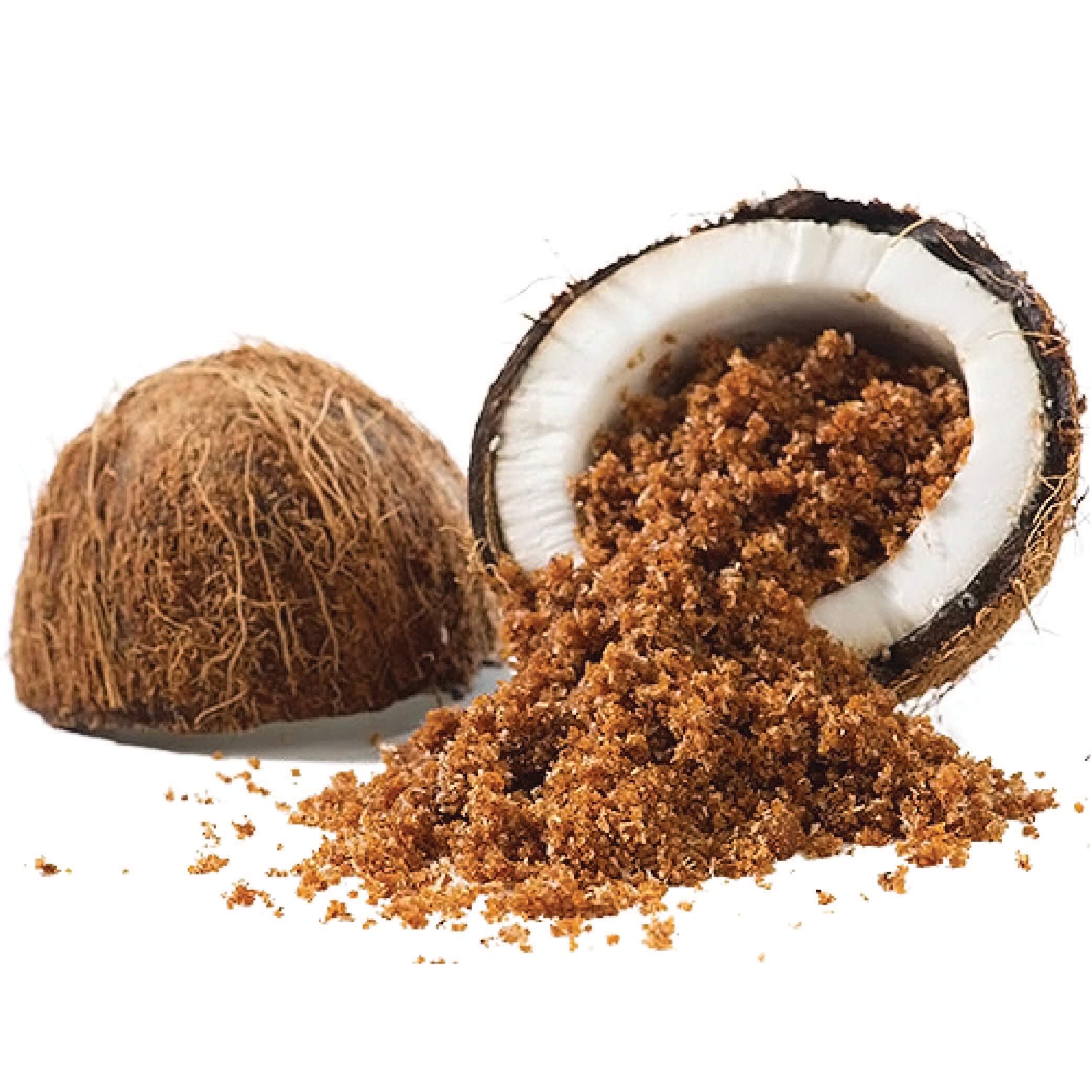
Made from the sap of coconut palm flowers, coconut sugar has a mild caramel flavour and works as a near one-to-one substitute for white sugar in cooking and baking. Its calorie count is almost the same as refined sugar, so do not expect it to be a lighter option. Its glycemic index is often cited as lower, thanks to a trace of a fibre called inulin, but the research here is thin, and estimates vary widely depending on the source and testing method, so it should not be treated as a reliably low-GI sweetener or a safe choice for blood sugar management. It also carries small amounts of iron, zinc and potassium. Urban Platter is one brand reportedly offering coconut sugar, though it is worth checking current listings before you buy.
Stevia
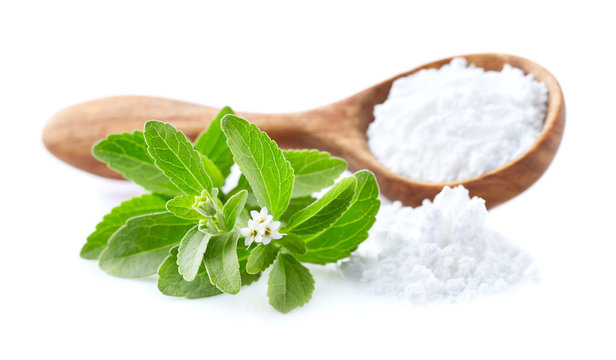
Stevia comes from the leaves of a South American plant and is intensely sweet, somewhere around two hundred to three hundred times sweeter than sugar, so a tiny pinch goes a long way. It has virtually no calories and does not raise blood sugar the way sugar does, which makes it popular with people managing diabetes or watching their weight. Some people notice a faintly bitter or licorice-like aftertaste, and this varies by brand and formulation. Organic India and So Sweet are among the brands said to offer stevia-based sweeteners in India, though it is worth checking current product listings before you buy.
Monk Fruit
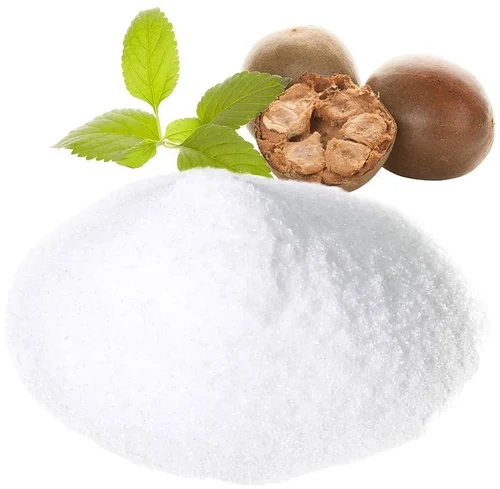
Monk fruit sweetener comes from a small melon grown in southern China and gets its sweetness from compounds called mogrosides. Like stevia, it is calorie-free and has little to no effect on blood glucose. Many people find its taste cleaner than stevia, without the lingering aftertaste. It is still less common on Indian shelves than the other sweeteners on this list, but brands such as Trunativ are among those reportedly offering it through specialty and online stores, though it is worth checking current listings before you buy.
A word of caution
"Natural" does not automatically mean healthy or calorie-free. Jaggery, dates and coconut sugar are still sugars, and eating too much of them can affect blood sugar and weight just as refined sugar does. Even stevia and monk fruit, though calorie-free, are best used in moderation as part of a balanced diet rather than as a licence to eat more sweets. Whichever alternative you pick, the same old rule still applies. Sweetness should be an occasional pleasure, not a daily habit.