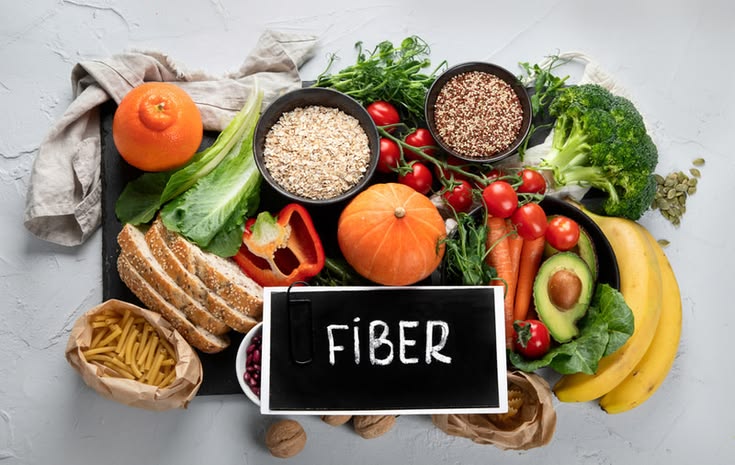
The trend of fitness among Indians has made them aware of the importance of protein, carbohydrates, and fats. However, because most ingredients on our grocery lists are chosen around these factors, many people still lack fibre in their meals. While a normal adult needs around 25 to 30 grams of fibre a day, 7 out of 10 Indians reportedly fail to meet even half of the required amount, according to a survey by ITC Aashirvaad in May 2026.
This gap, despite a traditionally fibre-rich diet, highlights the shift towards preservative-laden, packaged foods, which can contribute to issues like high blood sugar, constipation, high cholesterol, and lack of satiety.
While its deficiency can lead to health issues, its benefits exceed expectations and offer advantages that no supplement can replace: it is easy to obtain, budget-friendly, and embedded in our daily staples. This article will list the top 6 fibre-rich Indian foods that can help you meet your daily fibre target.
Soluble vs Insoluble Fibre
Soluble fibre dissolves in water to form a gel in the digestive tract. This gel slows digestion, helps reduce post-meal blood sugar spikes, and feeds beneficial gut bacteria. Found in: oats, dal, rajma, okra (bhindi), apples, and bananas. Best for: blood sugar control, cholesterol management, and supporting healthy gut bacteria.
Insoluble fibre does not dissolve in water—it adds bulk to stool and helps food move through the digestive tract. Found in: wheat bran, ragi, jowar, bajra, vegetable skins, and leafy greens. Best for: preventing constipation, bowel regularity, and supporting digestive health.
Top 6 Fibre-Rich Indian Foods
Rajma—the King of Fibre
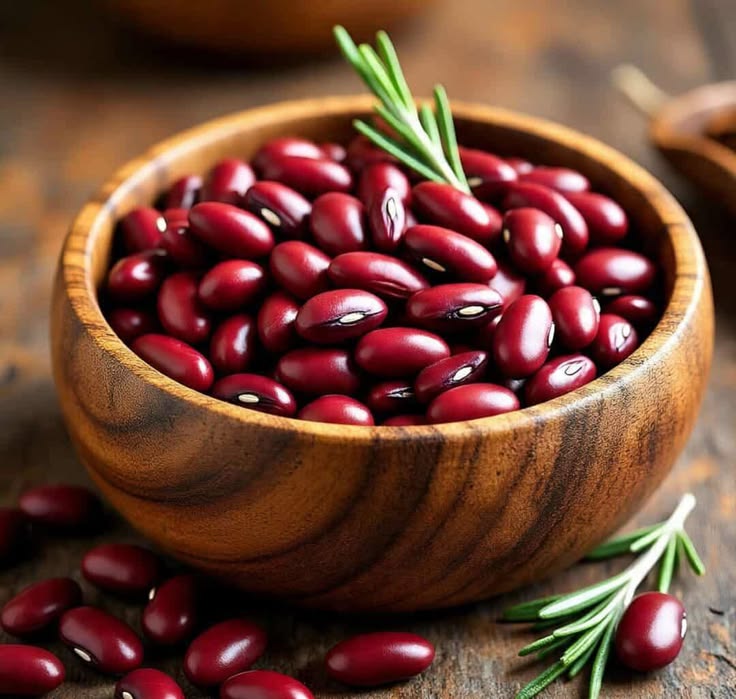
Easy to find in any North Indian kitchen, rajma is a fibre-rich food that provides around 6–7 g of fibre per 100 g when cooked. This makes it a useful addition to your daily fibre intake and can help keep you full for longer.
The combination of rajma chawal is a very popular staple in North Indian households. Replacing white rice with brown rice can further increase the fibre content of the meal without making it complicated to follow.
Ragi (Finger Millet)—A Fibre-Rich Grain
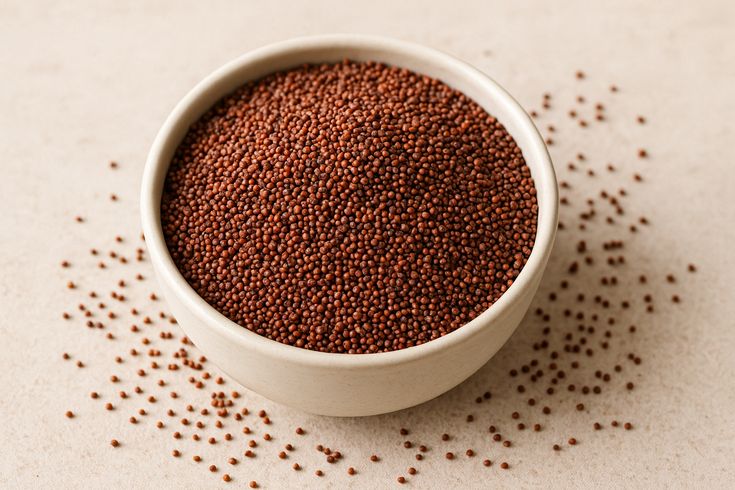
One of the most nutritious and fibre-rich foods that has been unable to gain recognition despite being a staple grain, ragi can contribute significantly to your daily fibre intake. A 100 g portion of ragi provides around 11 g of fibre, 7.3 g of protein, and 344 mg of calcium, making it a nutrient-dense food to include in your diet.
A simple way to incorporate it into your daily lifestyle is to mix it with wheat flour in equal proportions to make roti. Another meal you can easily prepare is ragi porridge or mudde.
Peas (Matar)—The Underrated Vegetable
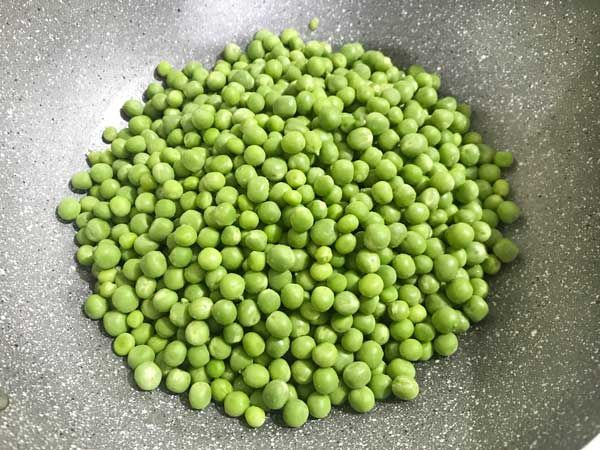
One of the highly beneficial yet underrated vegetables is peas, which are easily available in the market at an affordable price. Every Indian household uses them as a staple, particularly in winter. They can also be frozen and used throughout the year. A 100 g portion of cooked green peas provides around 5–6 g of fibre, along with several essential nutrients.
Incorporating peas into Indian meals is very easy; from matar paneer and aloo matar to pulao, your daily recipes can effortlessly integrate them into your lifestyle, helping you meet your daily fibre needs without making a major change.
Whole Chana
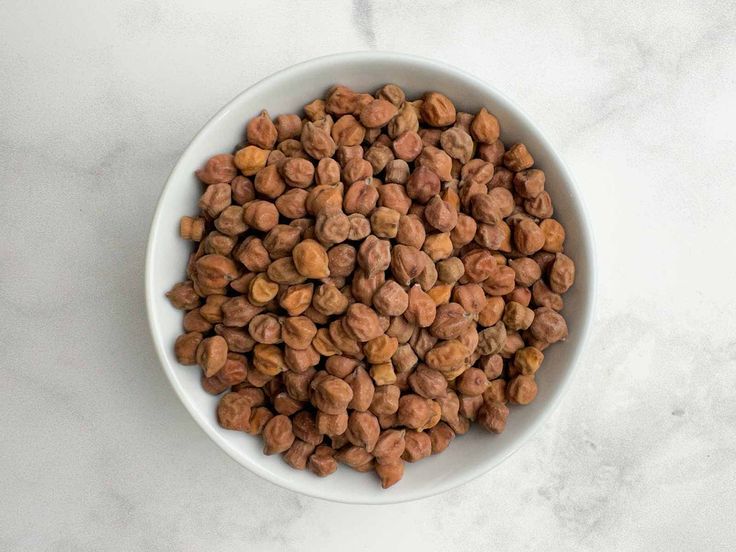
Whole chana is a great source of fibre and is often found in the Indian diet. It also contains a high amount of protein. A single bowl of cooked chana can provide around 7–8 g of fibre, along with approximately 14–15 g of protein, depending on the serving size. It also supports healthy gut bacteria and can help keep you full for longer.
Whole chana can be prepared in various ways, from a simple roasted snack to a full meal curry that easily fits into daily Indian meals. Soaking and cooking also make it easier to digest.
Guava (Amrood)—A Fibre-Rich Fruit
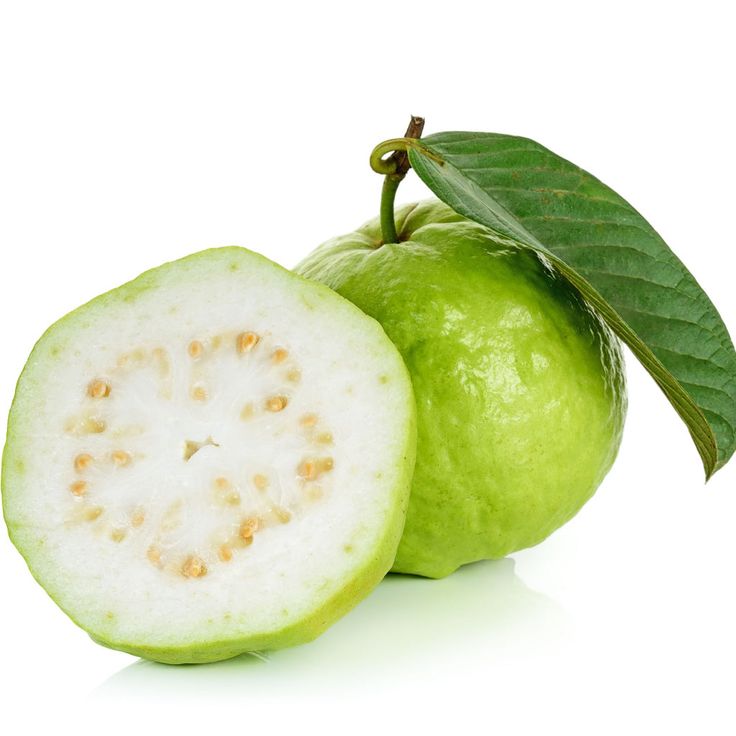
While apples, bananas, and mangoes are considered common fruits in Indian households, guava offers a high amount of fibre, along with vitamin C. A 100 g guava provides around 5 g of fibre and is also particularly rich in vitamin C, making it a nutritious addition to your diet.
Eating guava with its skin can provide additional fibre. Including it as a snack can help contribute to your daily fibre intake.
Isabgol (Psyllium Husk)—The Fibre Powerhouse
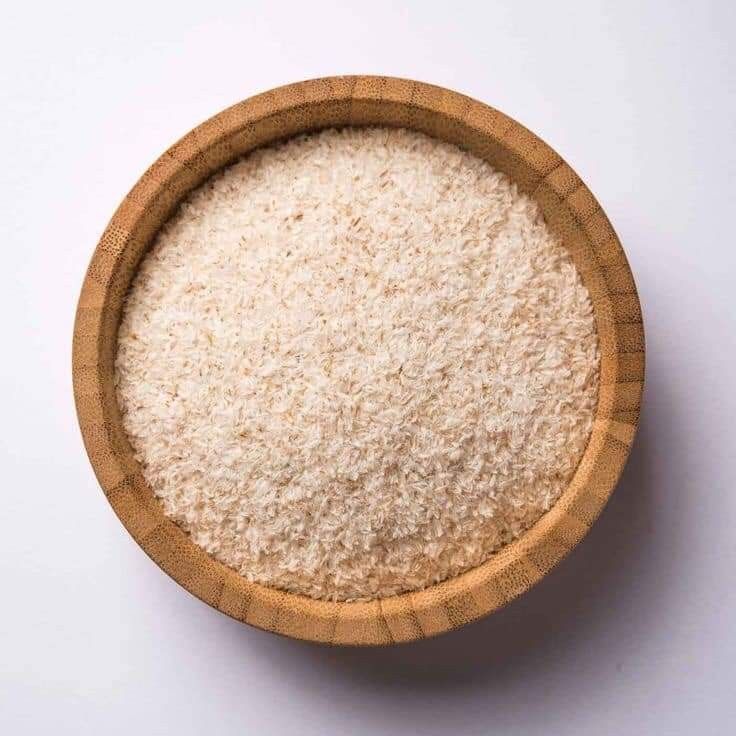
Isabgol is one of the richest sources of soluble fibre, with around 78–80 g of fibre per 100 g. It absorbs water and forms a gel in the digestive tract, helping support bowel regularity and relieve constipation.
Adding it to your routine is simple; mix 1–2 teaspoons with water and consume it immediately, ensuring you drink enough water throughout the day.