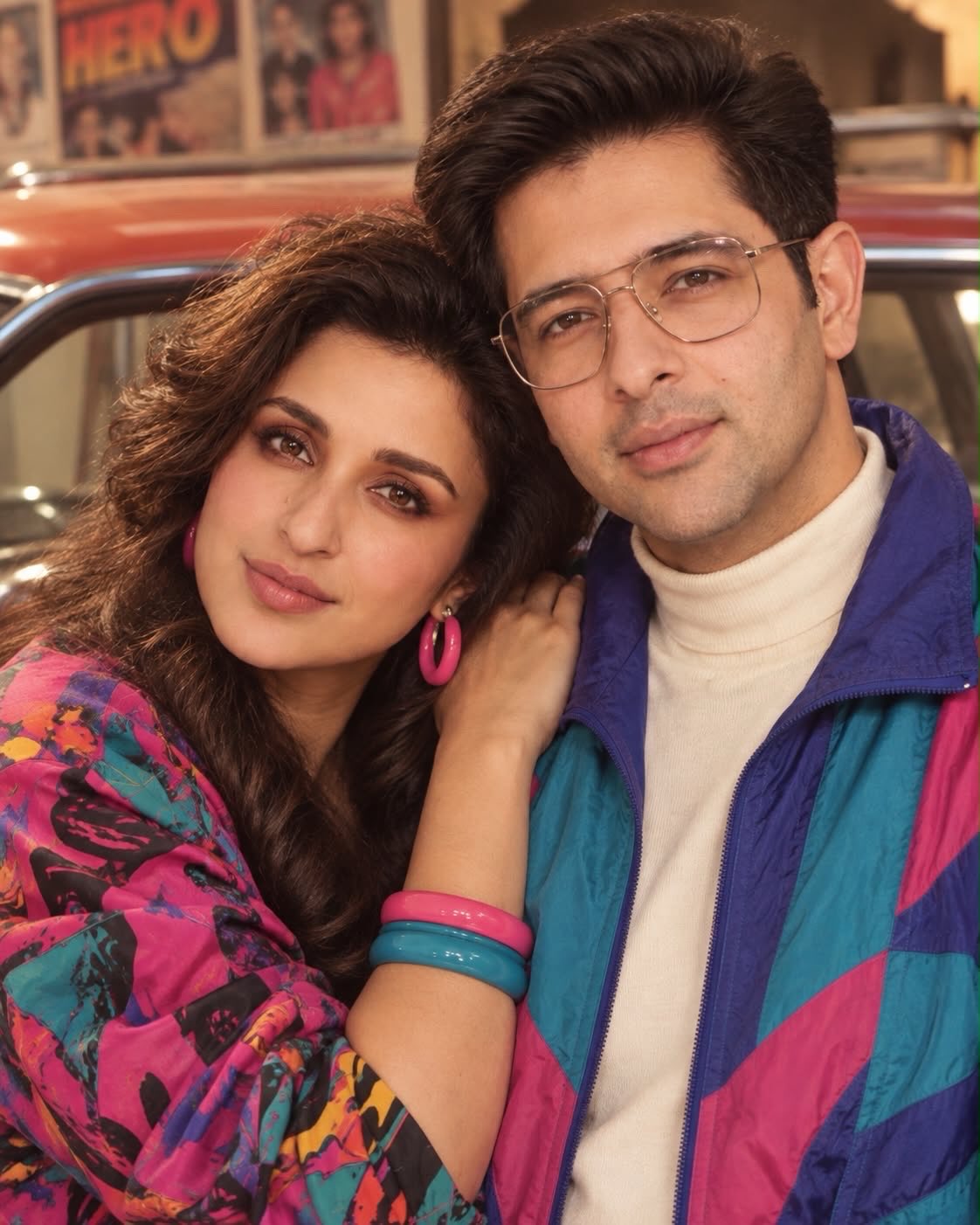
Your Instagram feed may suddenly look like a 1980s Bollywood magazine. Feathered hair, acid-wash denim, bold makeup, and vintage studio lighting are everywhere. The reason? India’s latest viral trend: the ’80s AI photo challenge, which is turning everyday selfies into retro-style portraits with the help of artificial intelligence.
From Piyush Goyal, Shashi Tharoor, and Renuka Chowdhury (via AI-generated images), everyone is jumping on the bandwagon. But as the trend explodes, experts are also warning users to be careful about what they share online. Here’s everything you need to know about the 80s AI photo trend, how to try it, and what to watch out for.
What is the ’80s AI photo trend?
The viral 80s photo trend is an AI-powered challenge where users upload a modern selfie to tools like ChatGPT, Google Gemini, or Microsoft Copilot and ask the model to “make me look like I’m from the 1980s” or “turn this into an 80s magazine cover."
The AI keeps your facial features but changes:
● Hairstyle (voluminous curls, big perms, feathered hair)
● Clothing (bold colors, retro jackets, statement earrings)
● Lighting and background (warm, saturated tones, film grain, studio-style portraits)
● Overall texture (to mimic old photographs or vintage magazine covers)
The result looks like a glamorous 1980s photoshoot—even though the image never existed.
Who in India is doing the ’80s AI trend?
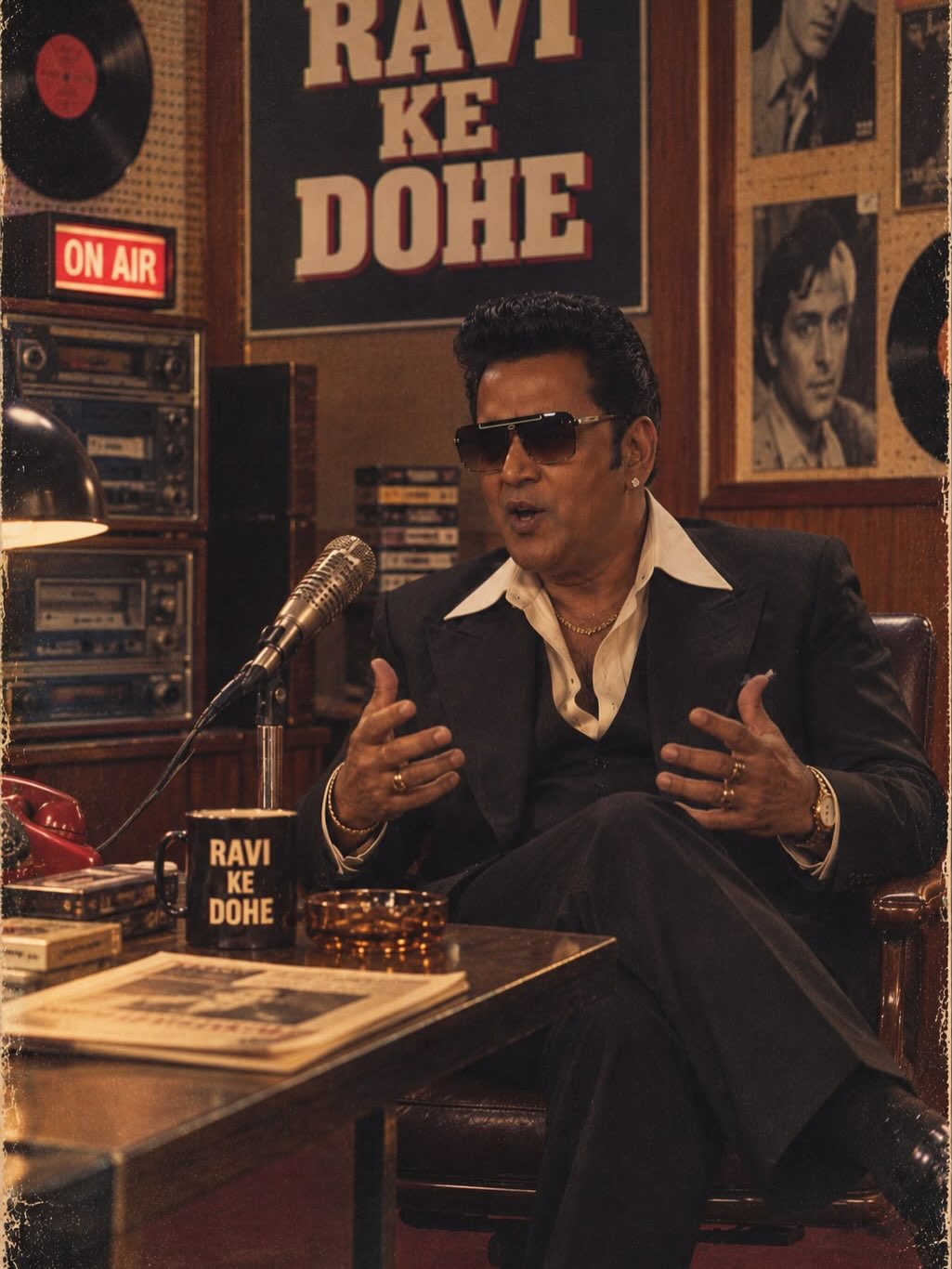
The trend has quickly moved from regular users to influencers and politicians:
Politicians: Shashi Tharoor and Renuka Chowdhury even posted their real 1980s photos in response to the AI trend, while AI-generated retro images of PM Modi, Rahul Gandhi, and Piyush Goyal have gone viral.
Everyday users: Students, creators, and professionals are posting “Add Yours” chains, reels, and carousels with their own 80s avatars.
This mix of celebrity participation and mass involvement is what has made the ChatGPT 80s trend one of the biggest lifestyle stories of the week.
How to try the 80s AI photo trend
If you want to join the trend, follow these simple steps:
● Pick a clear, well-lit portrait.
● Avoid group photos or heavily filtered images; a simple front-facing selfie works best.
● Use a trusted AI tool.
Options include:
ChatGPT (with image upload)
Google Gemini
Microsoft Copilot
Other reputable AI art or photo-editing apps
● Write a specific prompt.
For example:
“Transform this photo into a 1980s Bollywood magazine cover. Add voluminous curls, bold makeup, statement earrings, warm saturated colors, and slight film grain. Keep my facial features realistic.”
You can adjust the prompt to match your style: retro hero, heroine, studio portrait, or vintage family photo.
● Save and share responsibly.
Label AI-generated images clearly (e.g., “AI-generated 80s look”).
Avoid using very personal or sensitive photos.
Check the app’s privacy policy before uploading your face.
The darker side: privacy and misinformation risks
While the trend is fun, cyber experts are raising concerns. Some are calling it a potential “digital trap," warning that users may be unknowingly sharing high-quality face photos with unknown platforms.
Key risks to keep in mind:
Biometric data: Clear face images can, in theory, be misused for deepfakes, fake profiles, or identity-related fraud if they fall into the wrong hands.
Misinformation: AI-generated retro images can be shared as “real old photos," confusing people about what is authentic.
Over-sharing: Posting multiple high-resolution selfies across different apps increases your digital footprint.
To stay safe:
● Use only well-known, trusted AI tools.
● Avoid uploading images of minors or highly personal moments.
● Don’t treat AI portraits as proof of anything; always question viral “old photos” that look too perfect.
Why this matters for Indian pop culture
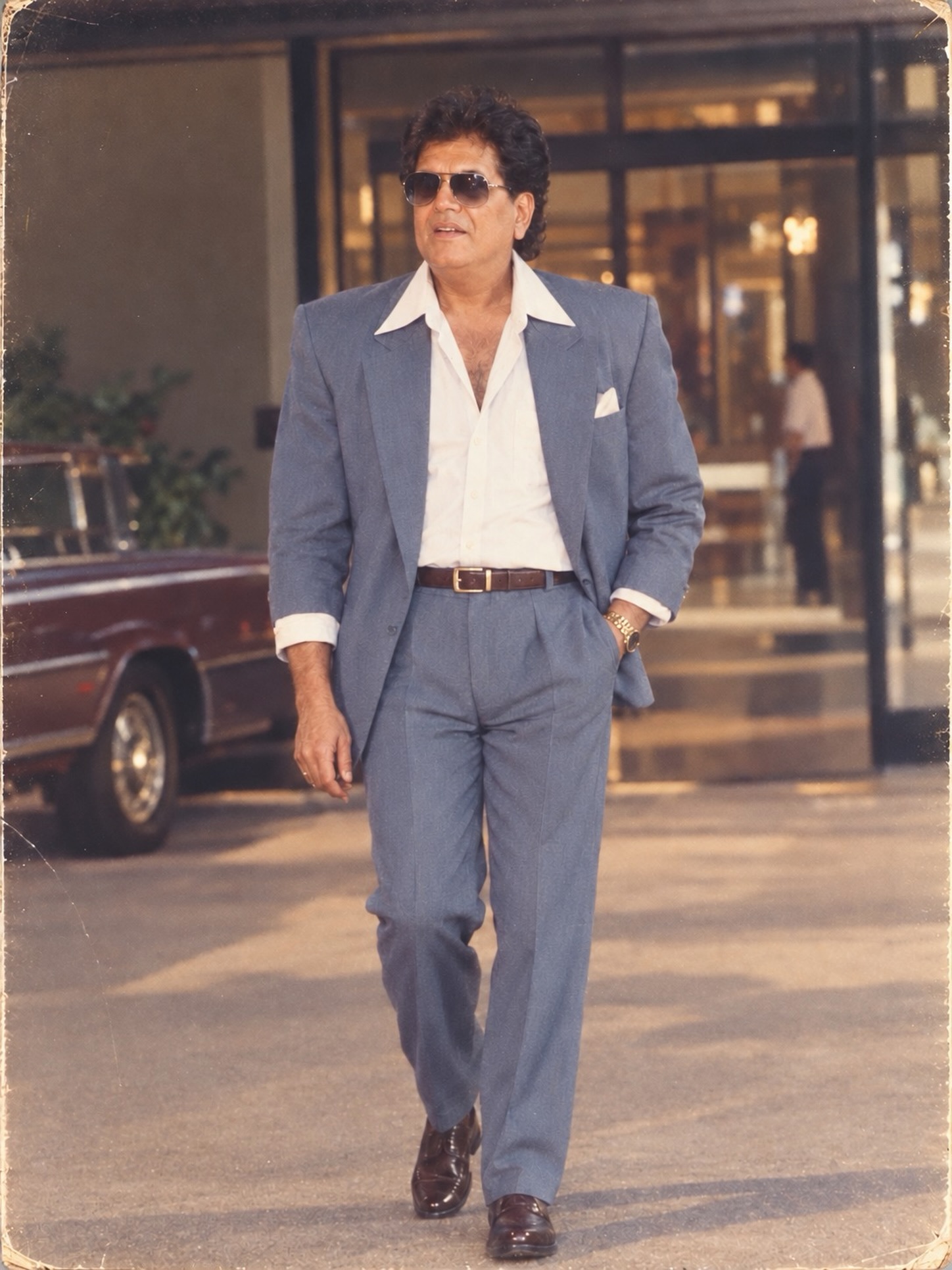
The ’80s AI photo trend is more than just a filter. It shows how Indians are using AI to play with identity, memory, and style online. The trend taps into nostalgia for 1980s Bollywood, vintage fashion, old magazine covers, and classic studio photography but reimagines them through algorithms instead of actual archives.
For a generation that never lived through the 80s, this is a way to experience the decade’s glamour without leaving their phones. For older users, it’s a digital reunion with the aesthetics of their youth.
The ’80s may be back, but this time, the decade is being rewritten by AI.