
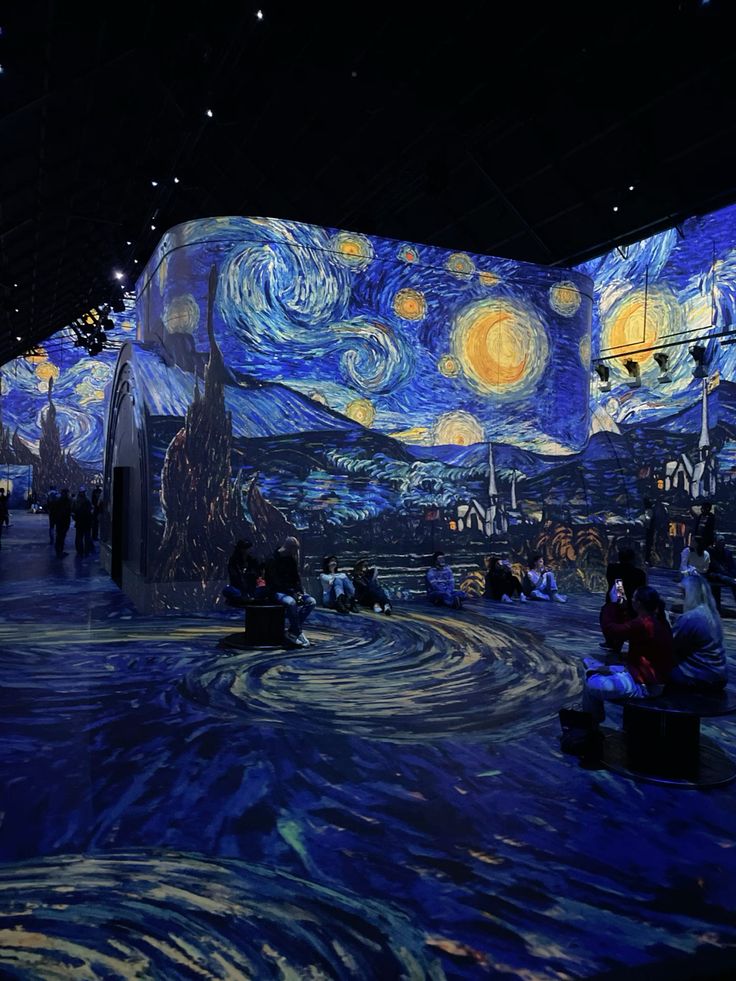
Walk into a gallery today and you may not find a single painting hanging on a wall. Instead, you might find yourself surrounded by one. Walls come alive with moving colours, floors ripple like oceans, and familiar masterpieces unfold around you in ways that feel almost dreamlike. This is the world of immersive art, a growing trend that is transforming museums from places where art is simply observed into spaces where it is experienced.
What Exactly Is Immersive Art?
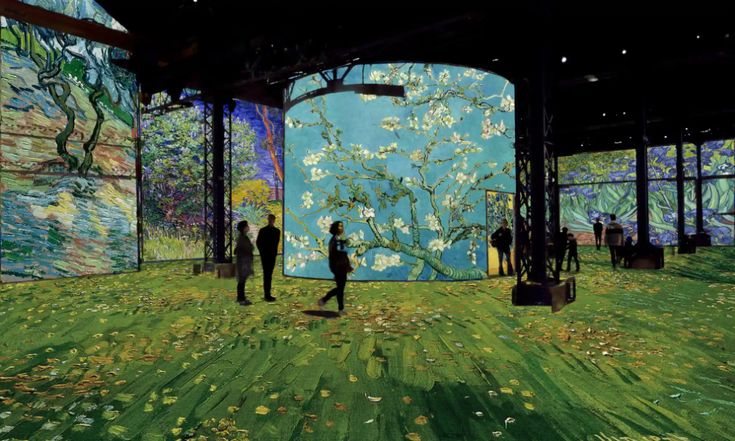
Immersive art is a way of experiencing art with your whole body, not just your eyes. Instead of standing back and observing a framed work, visitors move through projections that cover the walls, floors, and sometimes even the ceiling. Light, sound, and motion work together to create an environment that draws people directly into the artwork. Many exhibitions also incorporate motion sensors, artificial intelligence, and 3D projection mapping, allowing the experience to respond to visitors as they move through the space.
What makes immersive art so compelling is that it removes the traditional distance between the viewer and the work. Rather than simply looking at a painting or historical scene, you become part of it. Art is no longer something to observe from afar. It is something to step into, explore, and experience firsthand.
Walking Through Van Gogh and Da Vinci's Worlds
Earlier this year, Delhi hosted one of the most talked about immersive shows the city has seen. Held at DLF Promenade in Vasant Kunj, the experience paired two of art history's biggest names, Vincent van Gogh and Leonardo da Vinci, for the first time anywhere in the world. In Van Gogh, An Immersive Story, visitors walked through more than 300 of his animated works, including Starry Night and Sunflowers, brought to life with 35 laser projectors and Dolby Atmos sound.
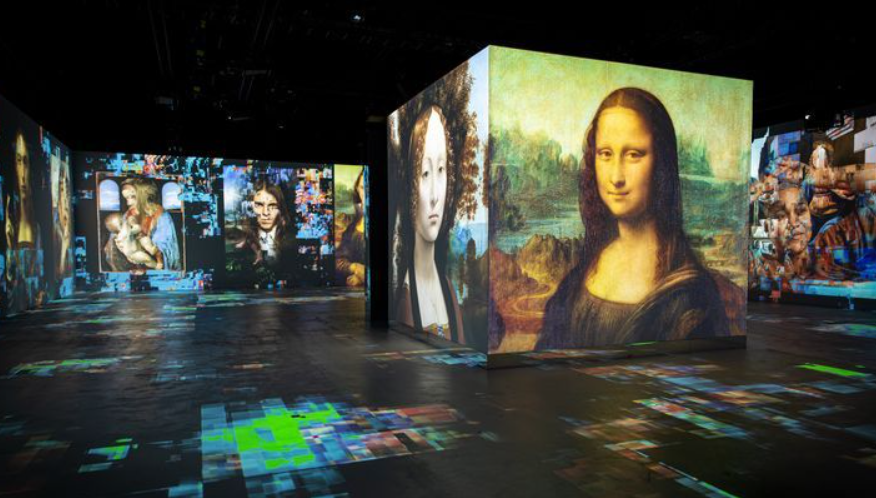
Right after, the mood shifted into Da Vinci Genius, a 45 minute journey into the mind of the Renaissance master. Floor to ceiling projections of the Mona Lisa and the Vitruvian Man filled the room, and visitors could have a conversation with the Mona Lisa herself, powered by an AI tool called Art Meets AI. It was a strange and delightful feeling, having a centuries old painting respond to your questions.
Walking Through a Living Archive
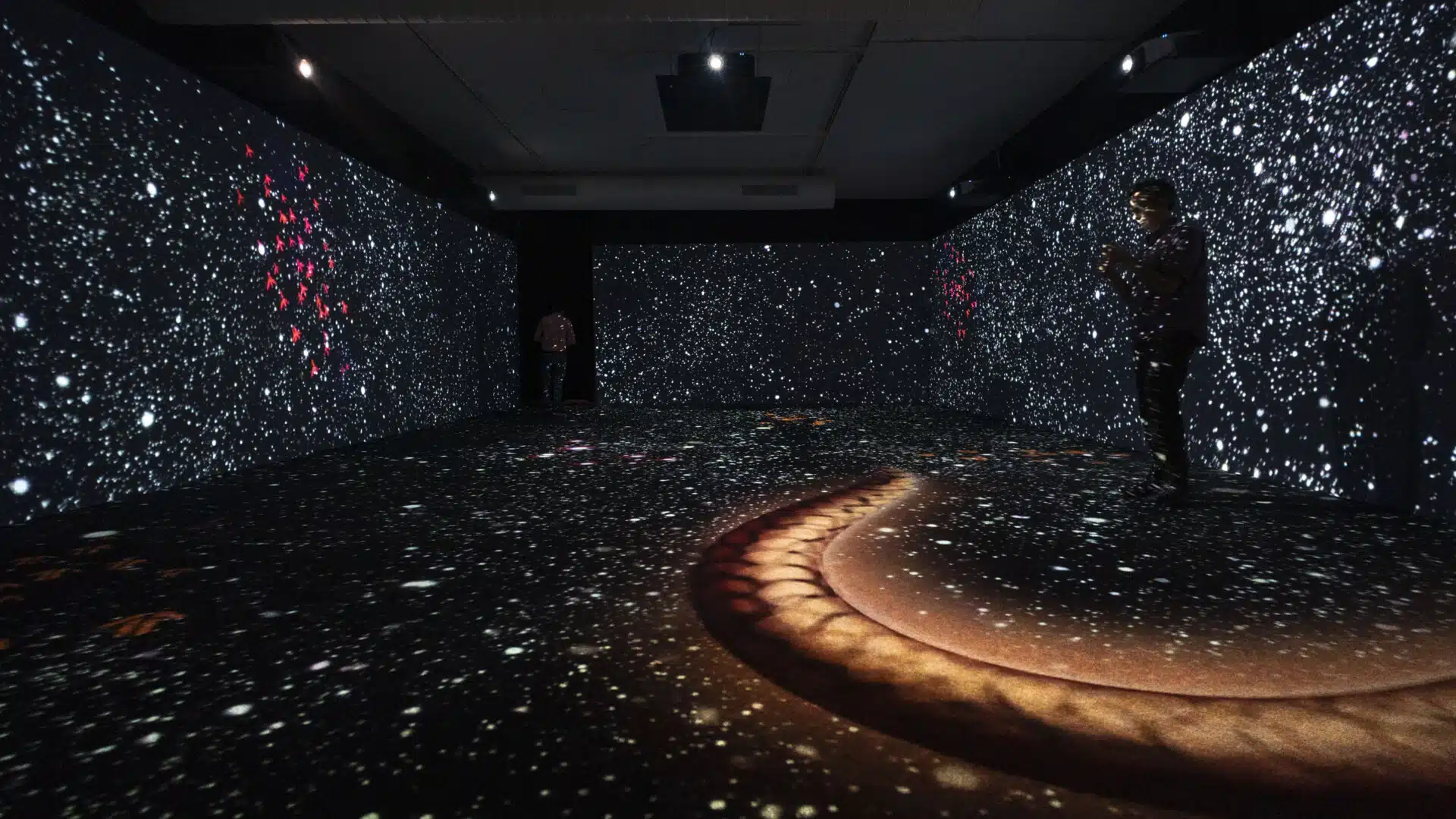
Not every immersive show is about famous European painters. At the Kiran Nadar Museum of Art, the exhibition Songlines, Tracking the Seven Sisters took a very different path. Created with the National Museum of Australia, it brought the ancient Seven Sisters story to life through paintings, grass sculptures, multichannel films, and immersive installations made by First Nations artists from the APY, Ngaanyatjarra, and Martu communities.
Here, immersion was used not for spectacle but for memory. The exhibition treated land, body, and song as living archives, places where knowledge is held and passed down. Walking through it felt less like viewing art and more like listening to a story the land itself had been telling for generations.
Diving into a digital ocean
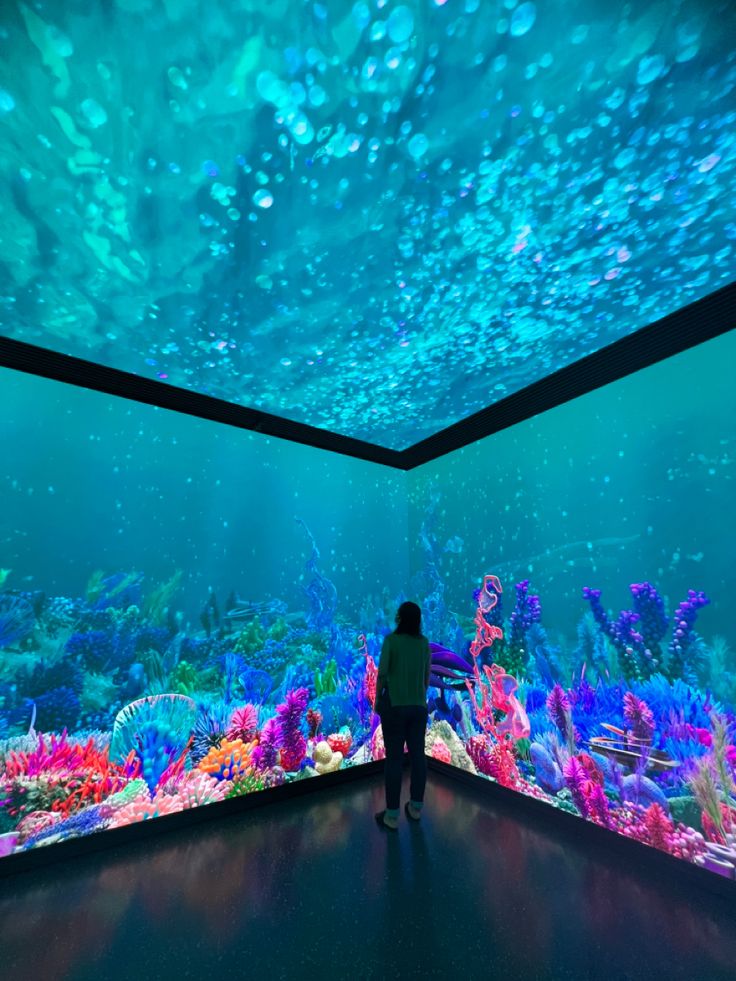
On the lighter, more playful end of the spectrum is the Fish Aquarium, An Immersive Art Experience, hosted by the Delhi Art Centre. This one skips brushstrokes and history altogether and simply drops you into an underwater world. Through projections that wrap around the walls and floor, visitors find themselves surrounded by glowing, colourful fish that seem to swim right past their feet. It is dreamy, calming, and built for families and children as much as for art lovers, proving that immersive experiences do not always need a famous name attached to them. Sometimes, they just need a sense of wonder.
Why this trend keeps growing
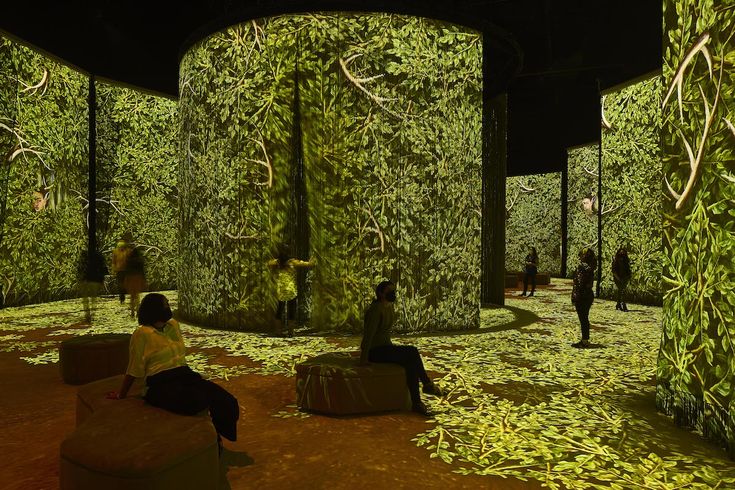
Part of the appeal is simple: these spaces are made for sharing. The visuals are striking, the lighting is dramatic, and every corner feels like a photograph waiting to happen. But there is something deeper going on too. Immersive shows are pulling in people who might never normally visit a traditional gallery, especially younger audiences who want to feel something rather than just observe it.
Museums and cultural spaces seem to have noticed. Rather than replacing the contemplative experience of a traditional gallery, immersive art is offering another door into the same room, one that uses light, sound, and technology to make old stories feel new again.
Whether it is the swirl of a Van Gogh sky, the weight of an ancestral songline, or the simple joy of fish swimming around your feet, one thing is clear. Art is no longer content staying on the wall. It wants you inside it.