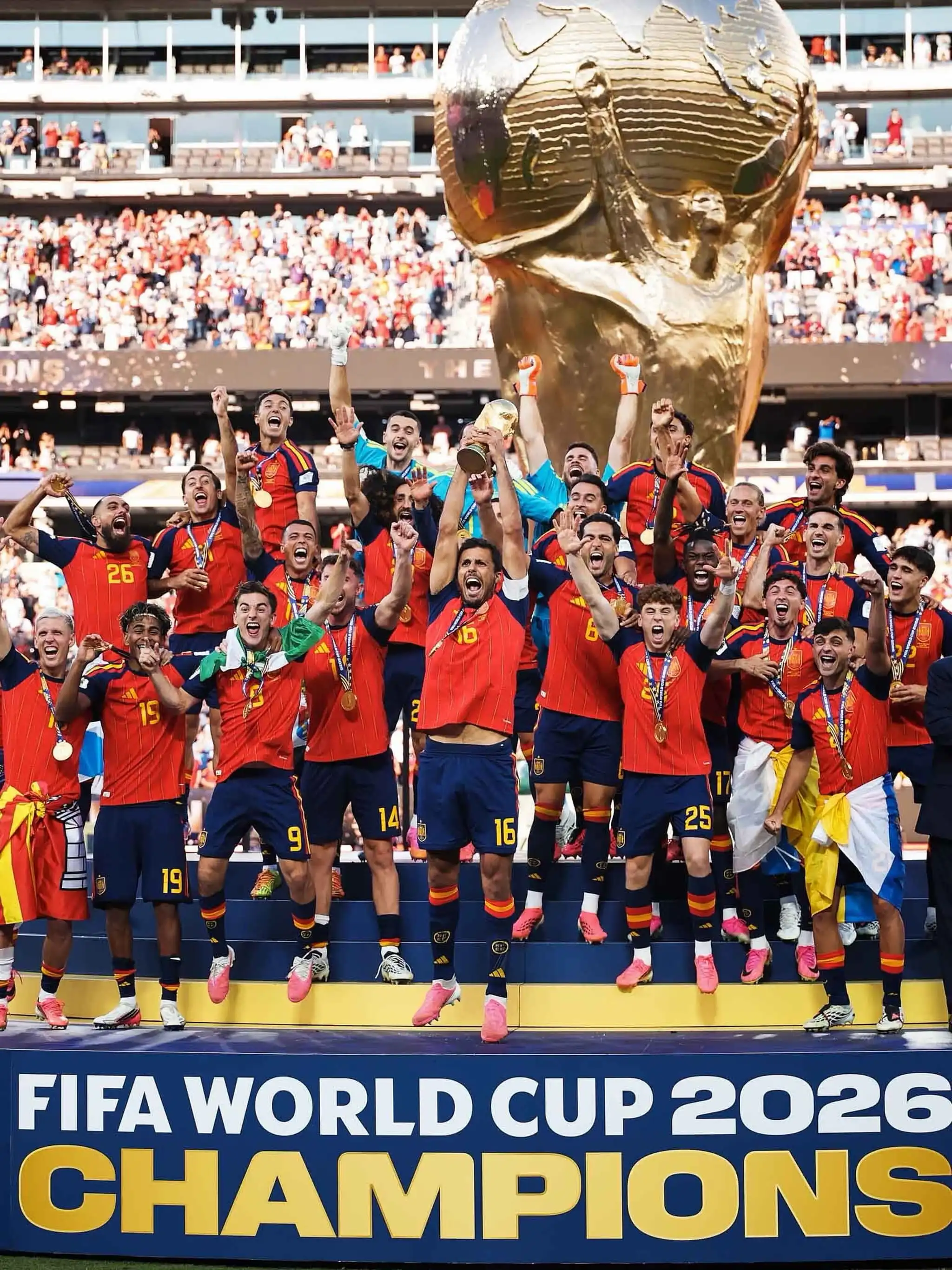

The FIFA World Cup 2026 started on the 11th of June with Shakira's grand performance in Mexico, one of the hosting countries along with the USA and Canada. The biggest sports tournament in the world attracts billions of viewers and is celebrated as a festival in many countries. Inaugurated in 1930 with only 13 teams, this 23rd edition of the FIFA World Cup consists of 48 sides, signalling that this year's tournament will go beyond imagination and the battle to win the title will be far tougher than the previous editions.
The popularity and craze for football among people around the world leaves no stone unturned. From the leading title-winning team to the player with the most goals in a single tournament, fans ensure they remember all the facts in case the topic of discussion arises.
But do you know the turbulent past of this coveted trophy, which itself left many mysteries unresolved? From the time of WW2, when it became an object of desire for the Nazis, to the incident that almost disgraced England and to the tragedy that still haunts Brazil, this article will track the journey of football's holy grail and the tales surrounding it.
The Birth of the Jules Rimet Trophy (1930)
The idea of the FIFA World Cup first came to the then-president of FIFA, Jules Rimet. It came into existence in 1930, when the first FIFA World Cup was held in Uruguay. To prepare the trophy, Rimet commissioned French sculptor Abel Lafleur, who created a gold-plated, sterling silver Art Deco trophy resembling Nike, the Greek goddess of victory, holding up a chalice over her head.
Hidden From the Nazis in a Shoebox (World War II)
Uruguay won the inaugural tournament, and the competition continued every four years until it was halted by World War II after 1938. Before the war, both the 1934 and 1938 tournaments were won by Italy, and the trophy was kept by the Italian Football Federation in the vault of a Rome bank. But as the Nazis continued their atrocities across Europe and seized important relics and objects, the safety of the FIFA trophy became a concern. To protect it, FIFA Vice-President Ottorino Barassi secretly removed the trophy from the vault and hid it in a shoebox under his bed until the next edition of the tournament took place in 1950. Barassi's courage and presence of mind protected this precious treasure of the football world, and the story continues to be celebrated by fans today.
The 1966 Theft That Almost Disgraced England
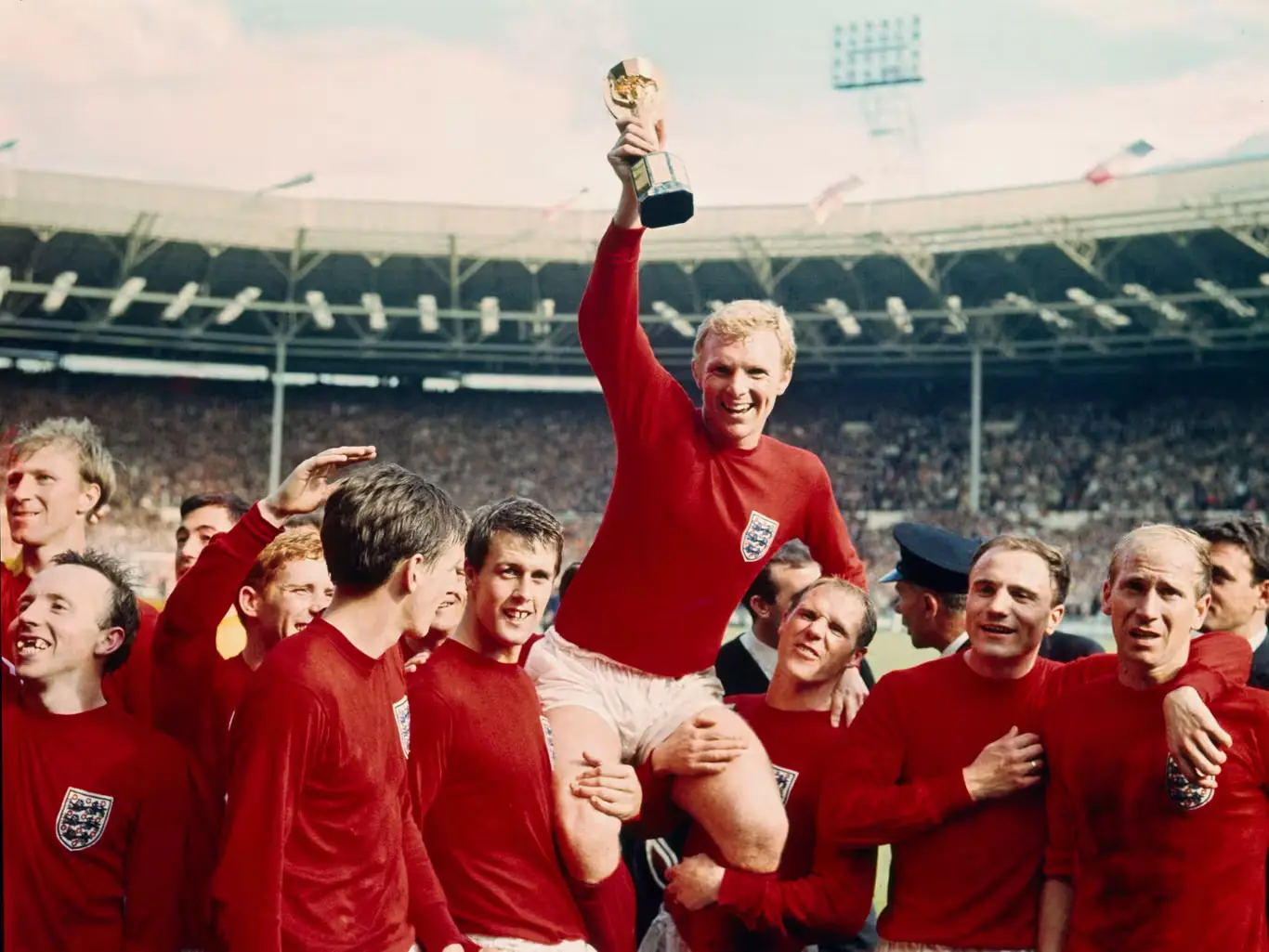
The trophy's run of misfortune continued, and tragedy struck again in 1966, just four months before England was set to host the FIFA World Cup. The trophy was on exhibition at Methodist Central Hall in Westminster as part of a rare stamp exhibition. On March 20, 1966, while a Sunday church service was being conducted elsewhere in the building, the trophy was stolen from its display case.
Although the exhibition held stamps worth over 3 million pounds, the thief took only the trophy, worth a mere 30,000 pounds. For England, recovering it became a matter of national pride, and an urgent investigation was launched to trace the trophy before the World Cup began.
The Ransom Note and the Mysterious "Pole"
While the country was on a hunt for the trophy, FA chairman Joe Mears received a ransom note demanding 15,000 pounds in exchange for its return from a man calling himself "Jackson", who sent the lining from the top of the trophy as proof. To catch the thief and recover the trophy safely, a detective posed as Mears' assistant and went to the agreed meeting point for the exchange, attempting to get Jackson to lead him to the trophy. Jackson grew suspicious and jumped from the moving car but was caught by police shortly after. Under interrogation, it was revealed his real name was Edward Betchley, and he had acted as a middleman for an anonymous figure known only as "The Pole".
Pickles the Dog: An Unlikely Hero
Having lost hope of recovering the original, England began preparing a replica — but an unusual saviour arrived a week after the theft. One morning, David Corbett was out walking his dog, Pickles, as usual in Beulah Hill, South London. While Corbett stopped to make a call from a telephone booth, Pickles sniffed out a package wrapped in newspaper and string, tucked beneath a neighbour's car. Corbett opened it to find the missing trophy and immediately took it to the nearest police station. For saving the country from embarrassment, Pickles was rewarded with a silver medal from the National Canine Defence League, a lifetime supply of dog food, and an invitation to the banquet held after England won the World Cup on home soil.
Brazil's Permanent Prize and a New Trophy Design
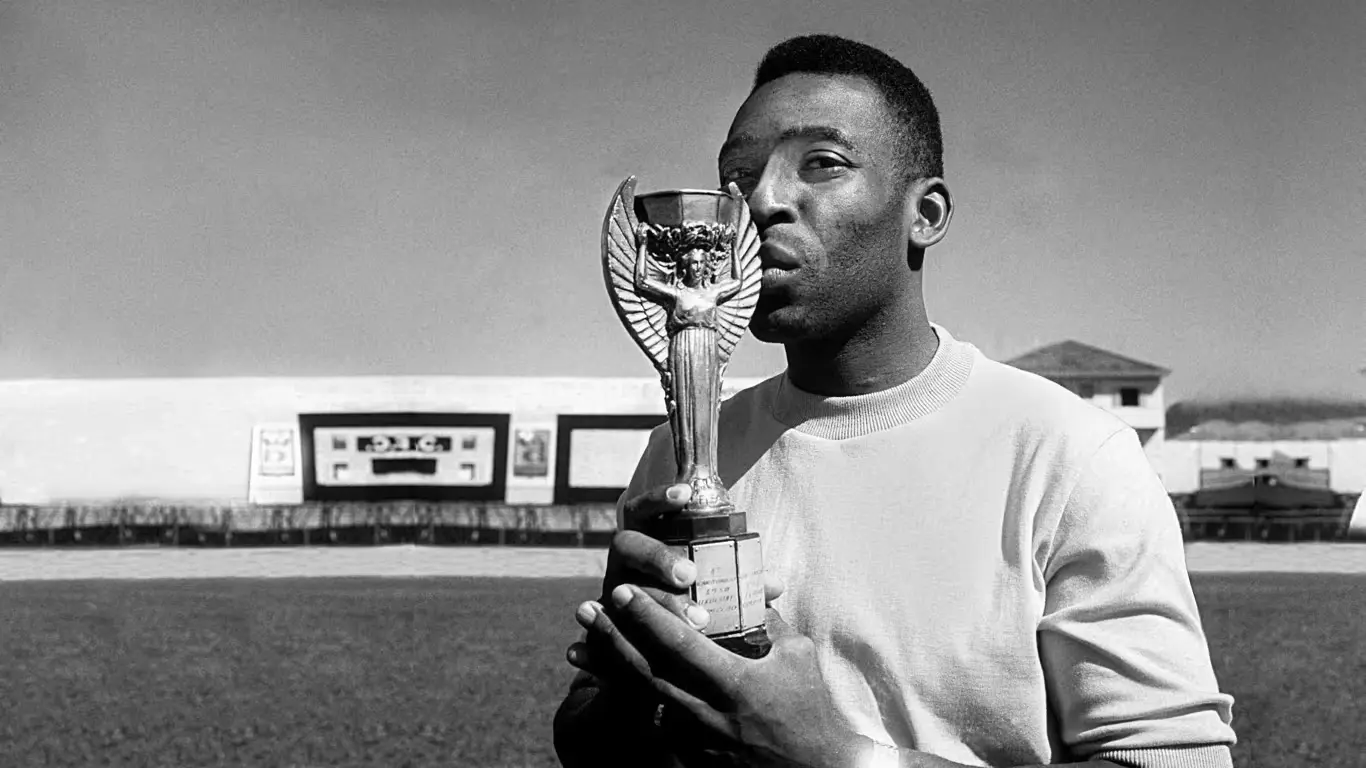
Jules Rimet, the founder of the FIFA World Cup, had made a bold promise: any nation that won the World Cup three times would keep the trophy permanently. Brazil achieved this in 1970, winning their third title (after 1958 and 1962) under the leadership of Pelé. For the next edition, FIFA commissioned Italian sculptor Silvio Gazzaniga to design a new trophy, depicting two human figures holding up the earth. Standing 36.5 cm tall, it is made of 6.175 kg of 18-karat (75%) gold, with a circular base 13 cm in diameter made of two layers of malachite.
The 1983 Heist That Ended in Tragedy
The story of the original trophy, however, did not end on a happy note like in England. On the night of 19 December 1983, thieves broke into the Brazilian Football Confederation (CBF) headquarters in Rio de Janeiro, overpowering the night watchman and forcing open the bulletproof glass case holding the trophy. The mastermind, a banker named Sérgio Pereira Ayres, had enlisted an ex-police officer and a decorator to carry out the heist, and along with the Jules Rimet Trophy, two other trophies were stolen as well.
The suspects were eventually arrested, and it was claimed the trophy had been melted into gold bars by an Argentine gold dealer — though this theory is disputed, since the statue was only gold-plated, not solid gold. Despite the arrests, no charges were ever filed, and the trophy remains missing to this day. A replica was later gifted to the CBF by Kodak Brazil in 1984 and remains on display in Rio — a quiet reminder of football's greatest mystery.
How FIFA Changed the Rules Forever
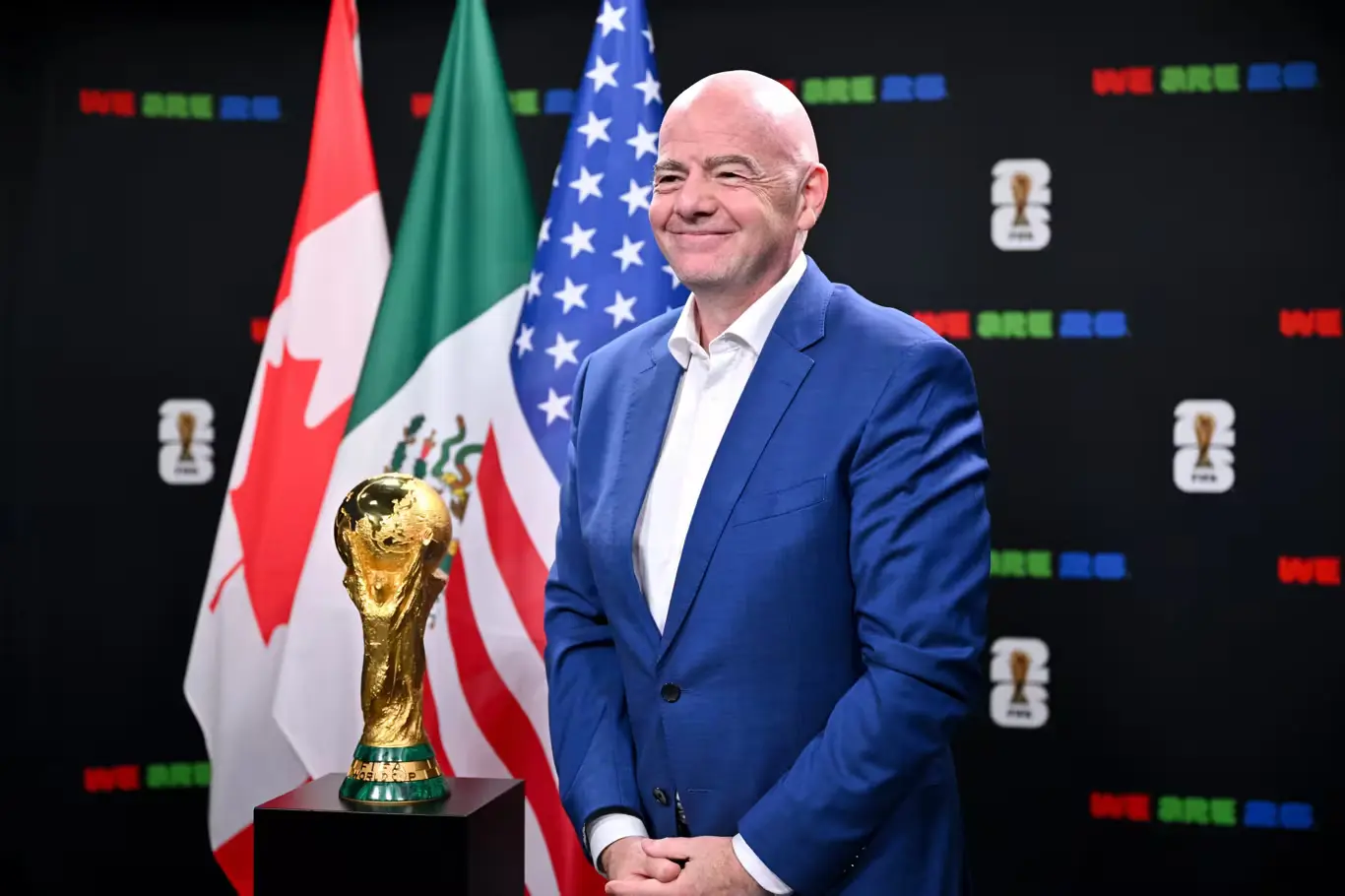
Shaken by both thefts, FIFA ensured history could never repeat itself. The rules were changed so that no country could ever again keep the World Cup trophy outright. Today, the Gazzaniga-designed trophy stays locked away at FIFA's Zurich headquarters, briefly handed to champions for celebration before returning home. Winning teams instead keep a gold-plated replica forever.
The Trophy's Legacy at the 2026 World Cup
As the 2026 World Cup unfolds across the USA, Mexico, and Canada, this year's champions will lift that very trophy — safe, guarded, and insured. But the original Jules Rimet Trophy, possibly melted down, possibly hidden away somewhere, remains one of sport's greatest mysteries: a trophy that vanished without a trace, leaving only stories behind.