History of LPG in India: From 1965 to 32 Crore Consumers
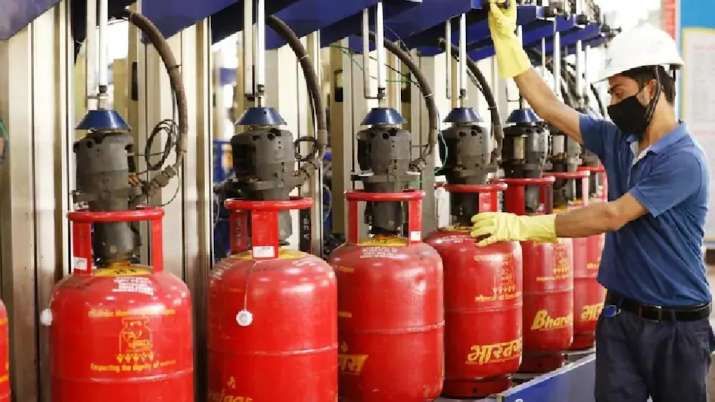
The first LPG connection in India was introduced in 1965 in Kolkata, and soon the use of LPG gradually expanded across the country. At the beginning, people were hesitant to use gas cylinders in general, and gradually they started to keep them in their kitchens like any other kitchen item, as over time LPG gained people's trust and became a convenient cooking option. Today, LPG is one of the most used cooking options in India. Currently, India has more than 32 crore LPG consumers, showing how widely the consumption of LPG has spread across households.
How LPG Transformed Indian Household Life and Cooking Habits
The launch of LPG dramatically improved daily household life. People accepted it over a period, with cooking being faster, cleaner, and more convenient as compared to traditional methods. As LPG became common in households, booking LPG cylinders also became part of regular household planning, where families estimate when their cylinder will finish and book a refill in advance.
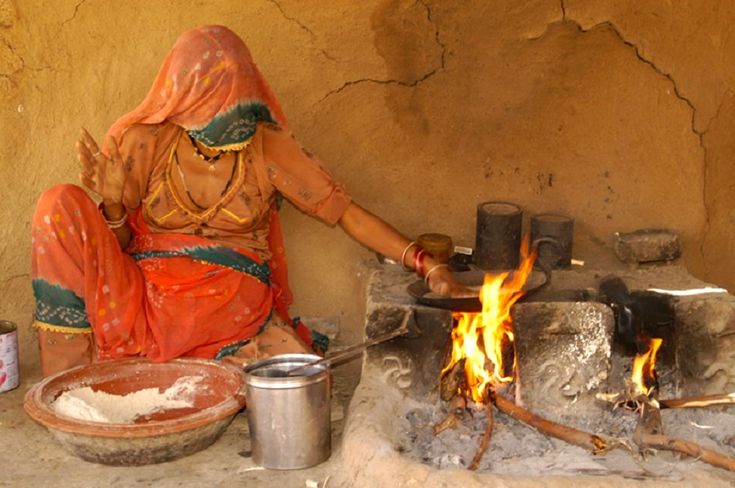
LPG supplies sometimes face sudden pressure, perhaps due to a supply disruption or a surge in panic buying. When whispers of shortages circulated nationwide, individuals often preemptively began reserving cylinders and possibly created a backup plan. This, in turn, amplified demand and unexpectedly burdened the existing supply chain.
LPG Cylinder Types and Historical Pricing Trends in India
LPG consumption surges have fuelled India's economic liberalisation and advancements in infrastructure. Households typically use 5 kg or 14.2 kg cylinders, whereas restaurants and other commercial enterprises rely on the larger 19 kg cylinders.
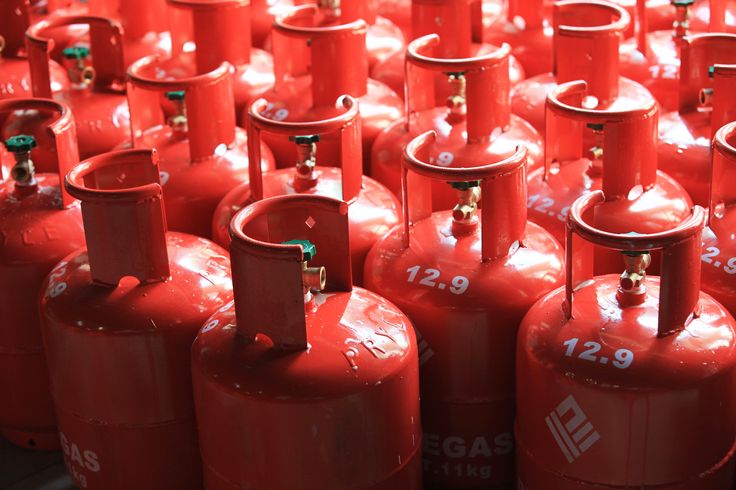
Examining historical pricing data, the cost of LPG cylinders has steadily climbed over the years, mirroring inflation and fluctuations in global energy markets. Initially, LPG cylinders were quite affordable, but the price has risen significantly. This increase reflects shifts in international fuel markets, rising transportation expenses, and the impact of government regulations.
Government Initiatives and LPG Policy: Subsidies, Ujjwala Yojana and More
With LPG becoming a staple in Indian homes, the government launched various programmes to make it easier to buy these at economical prices. The goal was to cut down on traditional fuels and encourage cleaner, safer cooking practices that are better for both people and the planet.
Pradhan Mantri Ujjwala Yojana: Free LPG Connections for Rural Women
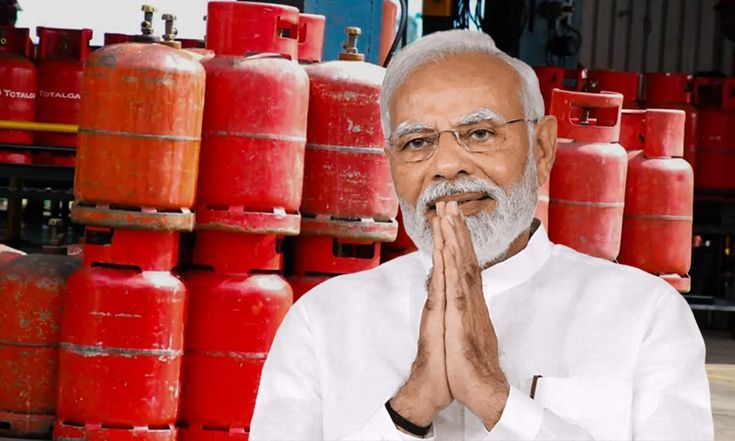
The major effort was the 2016 rollout of the Pradhan Mantri Ujjwala Yojana. This program offered free LPG connections to women in low-income households, particularly in rural areas. It dramatically boosted LPG availability and helped millions of families move away from old-fashioned cooking methods.
LPG Distributor Expansion, Online Booking and the Give-It-Up Campaign
Beyond this, the government also took other steps. These included expanding the network of LPG distributors, setting up online booking, providing targeted subsidies, and the Give-It-Up campaign. This last initiative encouraged well-off families to give up their subsidies so that poorer households could benefit.
India's LPG Import Dependency: Supply Chain and Global Geopolitics
India's LPG supply depends on both domestic production and imports. Domestic LPG production has largely come from oil refineries and gas processing plants, while a large portion of the demand is met through imports. Countries in the Middle East, such as the United Arab Emirates, Saudi Arabia, and Qatar, are among the major suppliers of LPG to India. Because domestic production cannot meet the entire demand, India imports a significant portion of its LPG requirement.
Due to India's reliance on LPG gas imports, any worldwide events or geopolitical conflicts can have an impact on LPG supply and cost. Conflicts can have a significant influence on areas that produce energy by interfering with shipping routes or raising the price of fuel globally, which could affect the cost or availability of LPG.
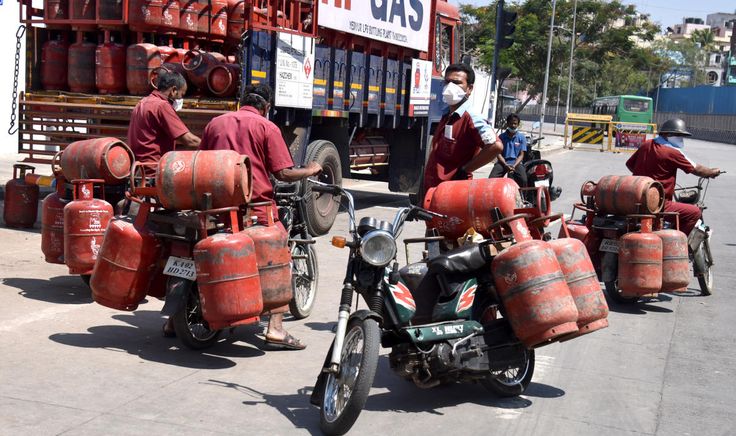
In such cases, governments frequently take steps to regulate supplies and prevent consumer panic. Authorities may supervise distribution systems, discourage panic booking, and guarantee that household necessities are prioritised. In some circumstances, business users' supplies may be temporarily altered to provide adequate stock for residential households.
LPG as a Political and Economic Issue: Impact on Inflation and Household Budgets
Except for shortage issues, LPG also becomes a topic of political debate as it directly affects household welfare, national energy security and the cost of living. Any increase in LPG prices can affect household budgets and may also contribute to inflation in sectors like hospitality and food services that depend on LPG for cooking.
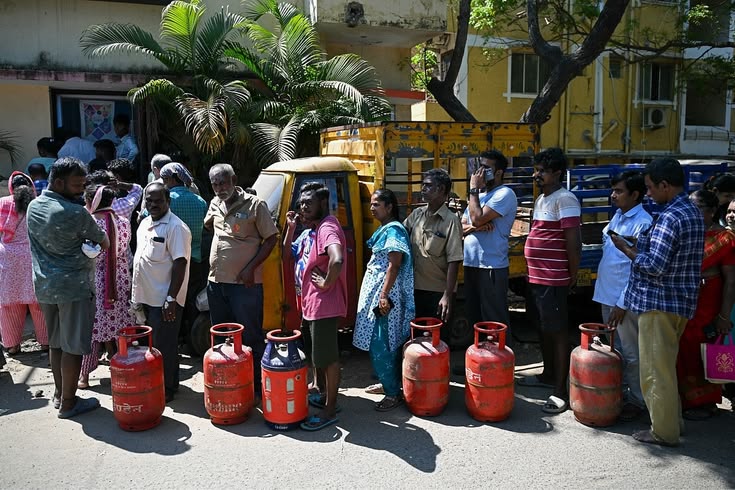
Therefore, LPG is not only a household cooking gas but also an important part of the broader economic system. Changes in their price or supply can affect multiple sectors, including households, businesses, and government finances.
Conclusion: LPG as the Backbone of India's Clean Energy Journey
LPG has revolutionised the way countless Indian families live their lives. From its introduction in 1965 to its current pervasive usage, LPG has been instrumental in improving standards of living and promoting clean energy sources. However, its availability in terms of quantity and frequency is subject to a variety of factors ranging from international energy trends to international events. The Indian story of LPG is a prime example of how a simple household fuel is inextricably linked to the Indian economy.