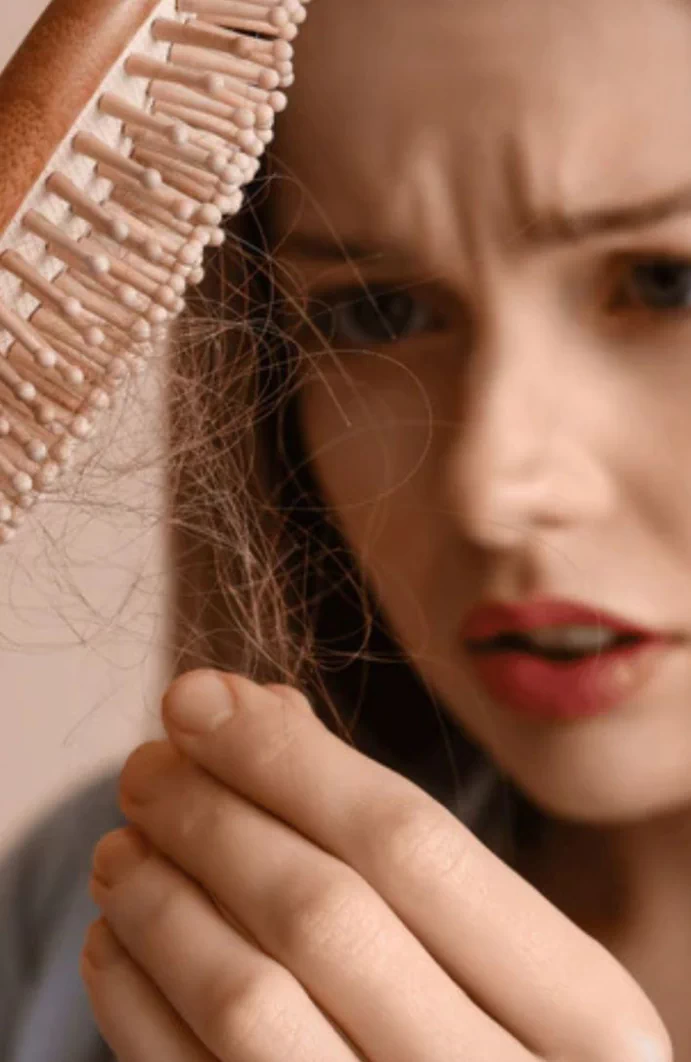
Every July, bathroom drains fill up faster and hairbrushes look worse than usual. This is not in your head. Dermatologists confirm that seasonal shedding is a genuine, documented pattern. Hair grows in cycles, moving through a growth phase, a short transition, and a resting phase before it sheds. Losing fifty to a hundred strands a day is normal. During humid months, more follicles can shift into the resting phase at once, a condition called telogen effluvium. It is a physiological response, not a disease, and it is usually temporary, though not every case is seasonal. Patchy loss or shedding that lingers for months deserves a proper look.
The Science of Humidity and Your Scalp
Hair is hygroscopic, meaning it absorbs moisture from the air. In monsoon humidity, the hair shaft swells and the outer cuticle lifts, making strands more porous, tangled, and easier to snap when brushed or tied up. Sweat and rain mix on the scalp and do not evaporate easily, creating a warm, damp environment that disrupts the scalp barrier and can trigger inflammation, nudging hair into the shedding phase earlier than it should.
Common Scalp Troubles This Season
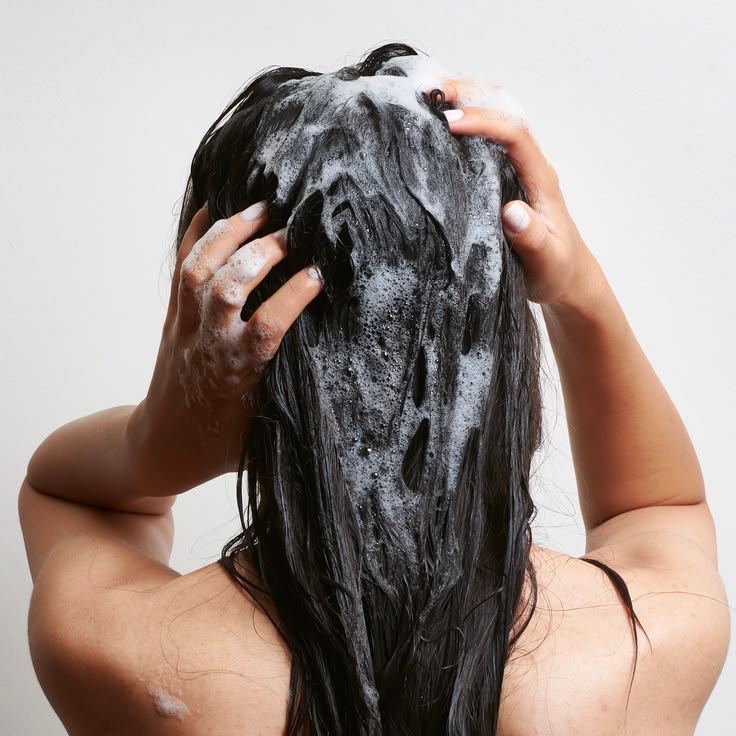
Dandruff flares up because a damp, oily scalp is an easy home for the yeast that causes it. Fungal infections and folliculitis become more common for the same reason, especially if hair is tied up while still wet. Excess oil builds up faster since humidity slows the evaporation of scalp sweat, and frizz happens simply because each strand absorbs and loses moisture unevenly through the day.
Breakage or Hair Loss
These get confused often, but they are not the same thing. Breakage is snapping along the hair shaft, leaving short, uneven pieces and visible frizz. It comes from weak, over-porous strands, rough towel drying, or tight hairstyles on wet hair. Hair loss is a strand coming out from the root, and noticing more of these on your pillow points to a shifting growth cycle. Most monsoon shedding is a mix of both, and figuring out which one dominates helps decide the right fix.
What a Good Monsoon Serum Should Contain
Niacinamide calms scalp inflammation and supports the skin barrier. Peptides and caffeine, often paired with ingredients like redensyl or procapil, support the look of thicker, denser hair with consistent use. Rosemary extract is a familiar botanical linked to improved scalp circulation. Ceramides and hyaluronic acid work on hydration, keeping the cuticle smoother and more resistant to frizz. Argan oil adds fatty acids that soften strands without heaviness, and lightweight silicones seal the cuticle against excess humidity, which is exactly the job a monsoon serum needs to do.
Serums Across Budgets

For everyday frizz control, L'Oréal Paris Extraordinary Oil Serum uses flower oils and a light silicone base to smooth the cuticle without weighing hair down. If breakage from wet hair handling is the main worry, Dove Hair Fall Rescue Serum uses a micro moisture complex that strengthens strands against friction. For scalp focused thinning, Minimalist Hair Density Serum and WishCare Hair Growth Serum Concentrate combine redensyl, anagain, and caffeine at usable concentrations, worth trying for two to three months. Bare Anatomy Advanced Hair Density Serum follows a similar approach with added rosemary.
On the higher end, The Ordinary Multi-Peptide Serum for Hair Density packs several peptide complexes into one formula. Kérastase 8H Magic Night Serum is an overnight leave-in for dry, frizz-prone lengths, while Moroccanoil Treatment is an argan oil and silicone-based daily styling oil that suits medium to thick or curly hair needing extra smoothness and shine. Schwarzkopf Professional's BC Bonacure Peptide Repair Rescue range is a salon favourite for porous, chemically treated hair prone to breakage. BBlunt's 7 in 1 Repair and Revive Oil Serum, with ceramides and argan oil, is a practical mid-range pick for several damage signs at once.
When to See a Dermatologist Instead
A serum manages frizz, dryness, and mild seasonal shedding. It cannot fix hair loss caused by an underlying issue. See a dermatologist if you notice patchy bald spots, scalp redness or pain, flaking that resists a mild anti dandruff shampoo, or shedding that continues past three months. Thyroid imbalance, PCOS, anemia, and nutritional deficiencies can all look like monsoon hair fall on the surface.
A Simple Monsoon Routine
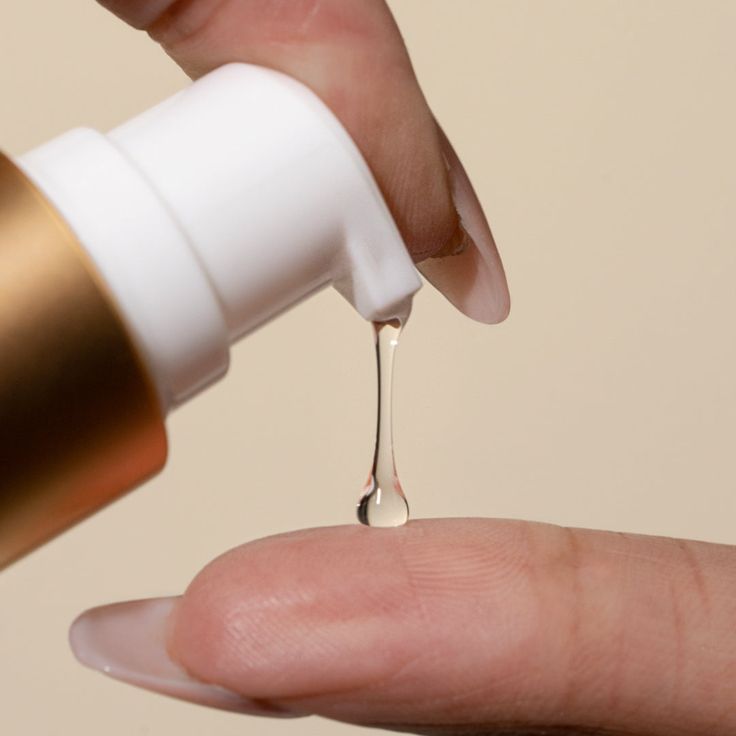
Wash regularly based on how oily your scalp gets, and dry hair fully before tying it up or sleeping. Use a mild shampoo suited to your scalp concern, follow with a lightweight conditioner on the lengths, and finish with a serum matched to your main worry, whether that is frizz, breakage, or thinning. Give any active ingredient six to eight weeks before judging results. The rain will pass. Good habits in the meantime will carry your hair through it.