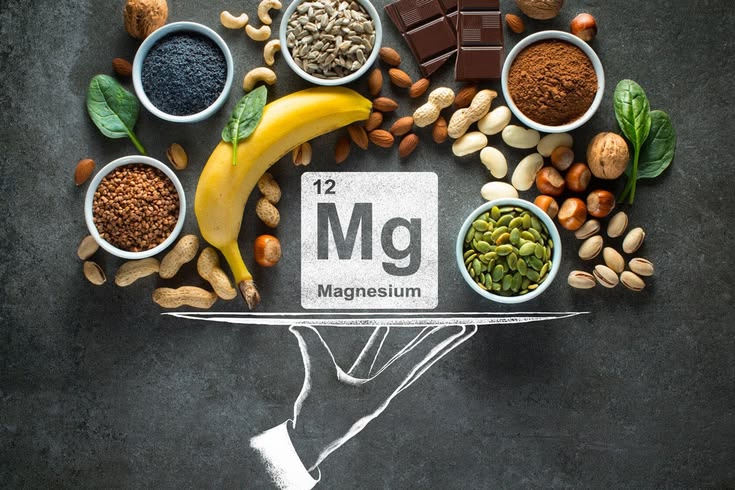
Your gut does more than digest food — it influences immunity, mood, skin, and energy levels. And one of the simplest ways to support it doesn't come from a supplement aisle. It comes from your kitchen shelf. Seeds, tiny as they are, pack fibre, healthy fats, and plant compounds that gut health experts consistently point to for better digestion. Here are six seeds worth adding to your daily routine and how to actually use them.
1. Chia Seeds: The Fiber Powerhouse
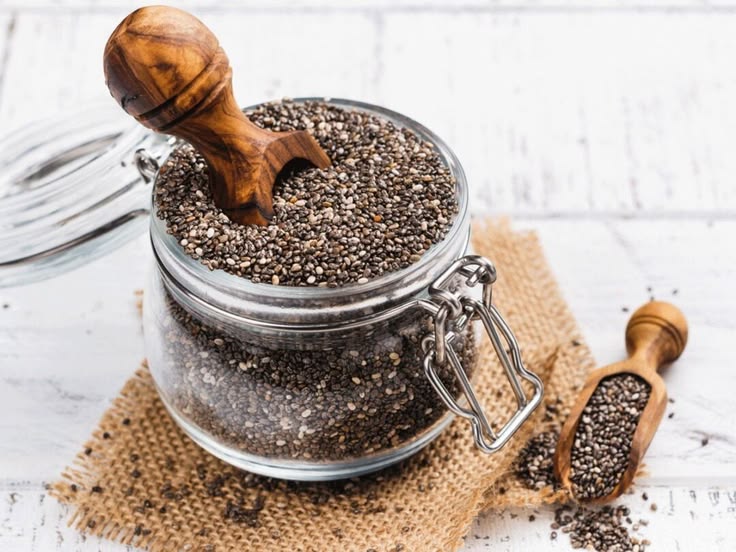
Chia seeds are one of the most talked-about seeds for gut health, and for good reason. They're loaded with soluble fibre that turns gel-like when soaked, which helps food move smoothly through your digestive tract and supports regular bowel movements. This gel-forming action also feeds beneficial gut bacteria, making chia a genuine prebiotic food.
How to use it: Soak a tablespoon in water or milk overnight for a pudding-like texture, or stir into smoothies and yoghurt.
2. Flax Seeds: The Omega-3 Ally
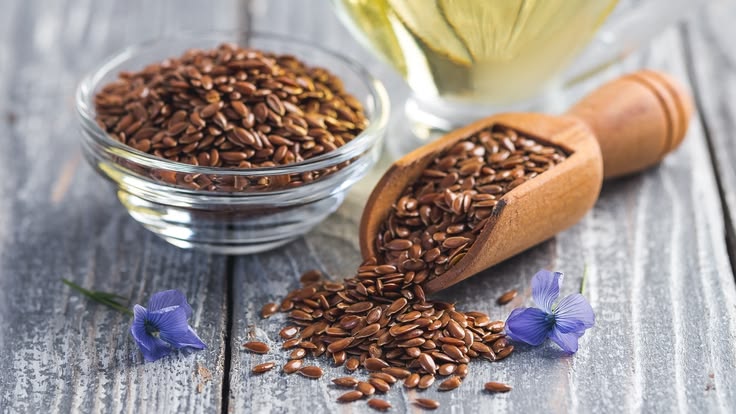
Flax seeds bring a double benefit — fibre and omega-3 fatty acids. The mucilage in flax soothes the gut lining, while its fibre content helps prevent constipation and bloating. Flax also contains lignans, plant compounds linked to a healthier gut microbiome.
How to use it: Always grind flax seeds before eating; whole seeds often pass through undigested. Add a tablespoon of ground flax to oatmeal, salads, or baked goods.
3. Pumpkin Seeds: The Zinc-Rich Digestive Aid
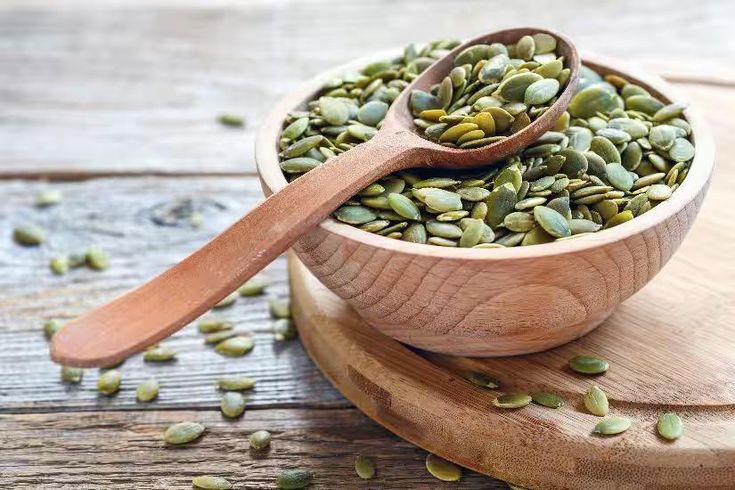
Pumpkin seeds are an underrated addition to any gut-friendly diet. They're rich in magnesium and zinc, both of which play a role in maintaining a healthy digestive lining and reducing inflammation. Their fibre content also supports smoother digestion.
How to use it: roast lightly and sprinkle over salads or soups, or eat as a snack.
4. Sunflower Seeds: The Gut-Friendly Snack
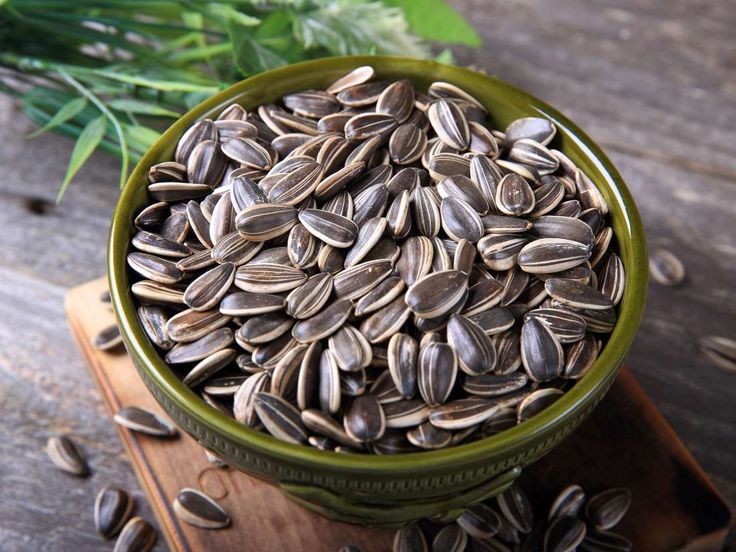
Sunflower seeds contain fibre along with vitamin E and healthy fats that support the gut's protective barrier. They're a convenient, portable option for anyone looking to boost fibre intake without much effort.
How to use it: Toss into trail mix or granola, or blend into homemade seed butter.
5. Fennel Seeds: The Traditional Digestive Fix
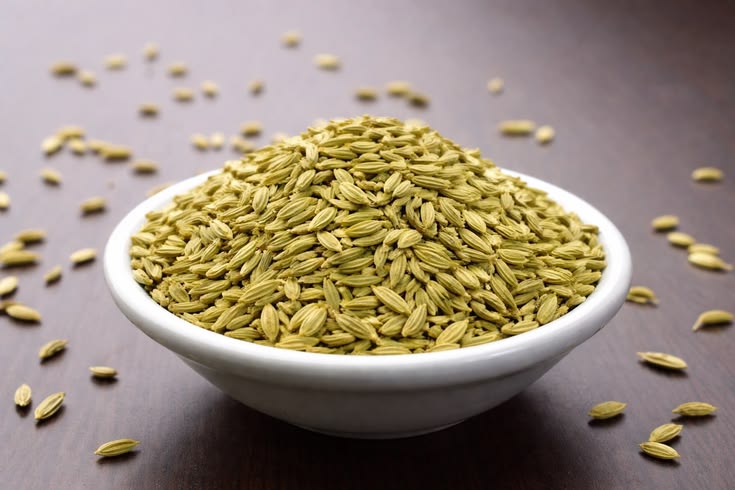
Long used after meals in Indian households, fennel seeds are perhaps the most traditional seeds for digestion. They contain compounds that relax the digestive tract, easing bloating, gas, and cramping. Chewing on fennel seeds after meals isn't just a habit — it's backed by generations of practical wisdom.
How to use it: Chew a small spoonful after meals, or steep in hot water for a soothing fennel tea.
6. Psyllium Husk: The Gentle Bulk Former
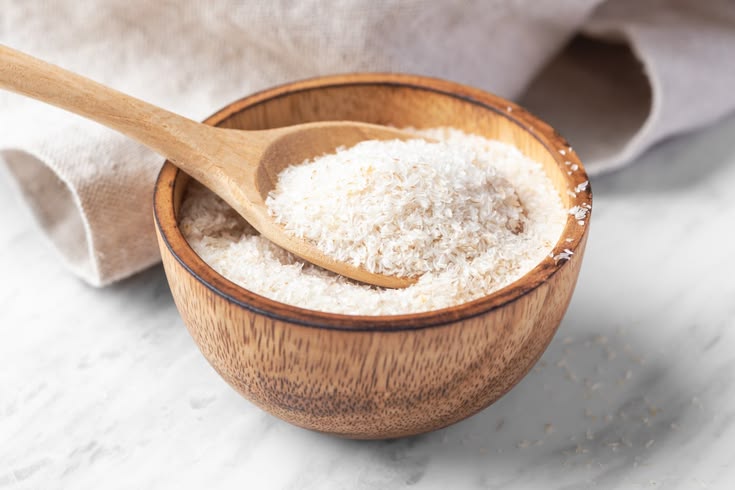
Technically a seed husk, psyllium is one of the most effective natural remedies for both constipation and mild diarrhoea. It absorbs water and forms a gel that adds bulk to stool, helping regulate bowel movements without harsh side effects.
How to use it: Mix a teaspoon into a full glass of water and drink immediately, followed by more water throughout the day.
How to Add These Seeds to Your Daily Diet
You don't need all six seeds every day. Start small — pick two or three, rotate them through the week, and pair them with plenty of water since fibre needs fluid to work effectively. A simple approach:
Morning: Chia or flax in smoothies or oatmeal
Snack time: A handful of pumpkin or sunflower seeds
After meals: A pinch of fennel seeds
As needed: Psyllium husk for extra fibre support
The Bottom Line
Good gut health doesn't require complicated diets or expensive supplements. These six seeds — chia, flax, pumpkin, sunflower, fennel, and psyllium — offer an easy, natural way to support digestion, reduce bloating, and nourish the bacteria that keep your gut thriving. Add them gradually, stay hydrated, and let your gut do the rest.