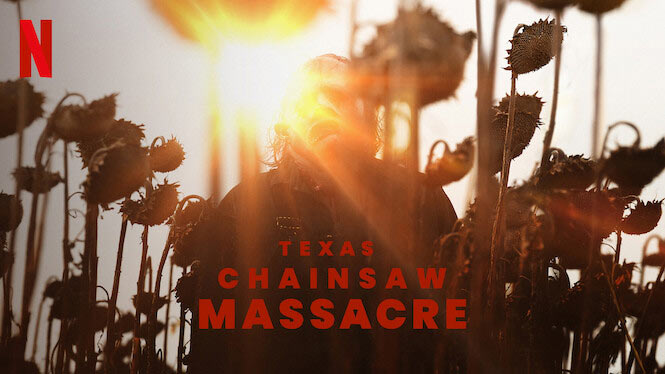
Nearly fifty years after Tobe Hooper first introduced the world to Leatherface, the Texas Chainsaw Massacre franchise is still finding new ways to send him back into the woods after unsuspecting victims. The series has spanned nine films across multiple, often conflicting timelines since the original's 1974 release—sequels, remakes, and reboots that rarely agree with each other on canon. This review focuses specifically on the 2022 Netflix legacy sequel, which wipes the slate clean of every other follow-up and positions itself as a direct continuation of Hooper's original film, set exactly fifty years later.
Gentrifying a Ghost Town
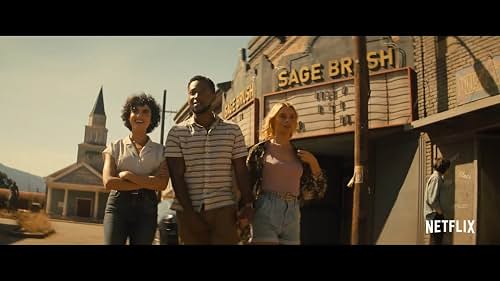
The film follows Melody and her teenage sister Lila, along with Melody's business partner Dante and his girlfriend Ruth, as they travel to the abandoned Texas town of Harlow with an ambitious plan: auction off old properties and turn the ghost town into a trendy, gentrified development. Their pitch to investors goes smoothly enough until they unknowingly disturb the home of an aging, isolated Leatherface, waking a violence he'd buried for decades. Meanwhile, Sally Hardesty—the sole survivor of Leatherface's original 1973 killing spree learns of his reemergence and sets out for Harlow herself, determined to end what he started five decades earlier.
Old-School Gore, New Hands Behind the Camera
David Blue Garcia, an Emmy-winning cinematographer making just his second feature, took over the director's chair mid-production after original directors Ryan and Andy Tohill were let go over creative differences. Garcia reportedly leaned into an "old-school" approach to filmmaking—vintage lenses and practical gore effects rather than heavy CGI—which gives the film a grittier, more tactile texture than a lot of modern studio horror tends to have. It's a visual choice that suits the franchise's roots, even if the film around it doesn't always live up to that texture.
A Chainsaw, a Mask, and a Survivor's Return
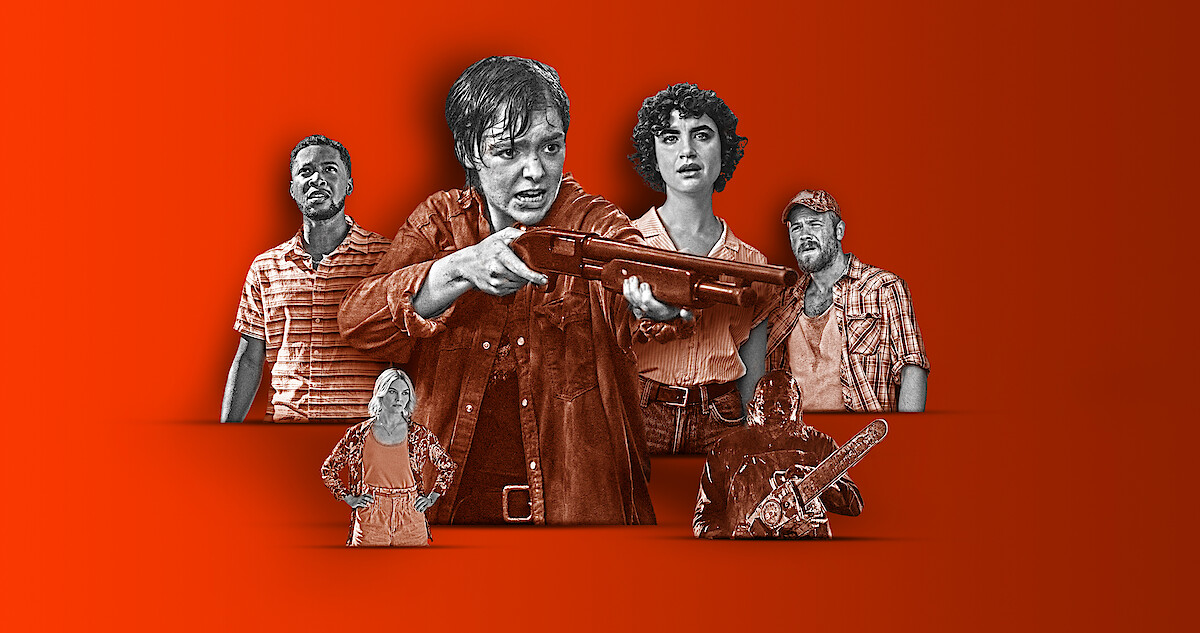
Sarah Yarkin and Elsie Fisher carry most of the film's emotional weight as Melody and Lila, while Mark Burnham steps into Leatherface's mask for this outing— a physically imposing presence, even with barely any dialogue. The standout, though, is Olwen Fouéré as Sally Hardesty, whose presence directly ties this film back to the original 1973 massacre and gives long-time fans of the franchise a genuine emotional anchor.
Love It or Hate It
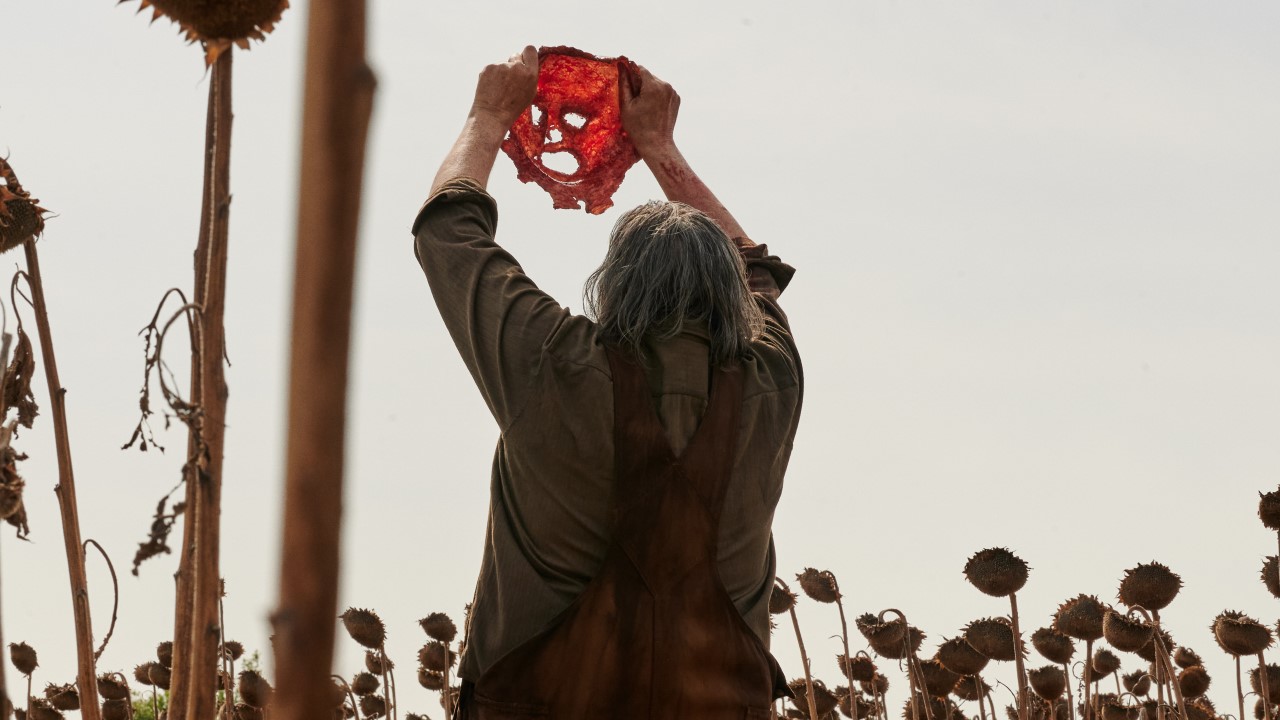
It's worth being upfront: critical reception to this film was largely negative. Many critics felt the screenplay leaned too heavily on modern themes—gentrification, social media, influencer culture—in ways that clashed with the franchise's straightforward slasher roots, and several called out the film's short runtime for undercutting any real sense of dread or suspense. That said, the central performances were widely praised, even by critics who didn't enjoy the film as a whole, and it remains one of the more-watched entries in the franchise simply on the strength of Netflix's reach.
Short, Sharp, and to the Point
At just 83 minutes, Texas Chainsaw Massacre doesn't ask for much of your evening and for viewers looking for a quick, brutal chase movie rather than a slow-burn horror experience, that brevity works in its favor. It may not reinvent the franchise, or fully satisfy critics looking for something more substantial, but as a fast, visceral watch, it delivers exactly what it promises: Leatherface, a chainsaw, and very little standing in between.