

People just can’t stop comparing running and walking—but why? Both are easy to start, don’t cost much, and you can do them almost anywhere. Still, they feel really different, especially once you factor in intensity, impact on the body, and what you hope to get out of them in the long run. With so much of modern life spent sitting, figuring out which one brings real results matters more than ever.
Running vs Walking: How hard do you want to work?
The main difference between running and walking comes down to how hard you push yourself. Running ramps up your heart rate quickly. It burns more calories per minute and gets your heart in shape fast. Walking takes things slower and puts less stress on your body, but you can keep at it for way longer.

Here’s something to chew on: A major study published in the Journal of the American College of Cardiology showed that running—even for just 5–10 minutes a day—cuts your risk of dying from heart disease by quite a bit. Yeah, even those short runs matter.
But don’t count walking out. Harvard researchers found that brisk walking for half an hour every day also lowers your risk of heart disease, helps manage blood pressure, and boosts your metabolism. So you really can’t go wrong.
Counting Calories and Managing Weight
If you’re looking at raw numbers, running burns almost twice as many calories as walking the same distance. So if time is tight or you’re working toward weight-loss goals, running clearly gets you there faster.
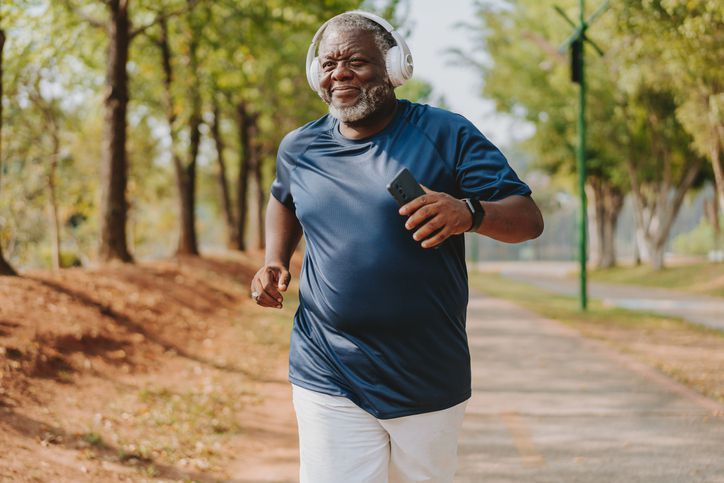
But here’s the real secret: what matters most is what you actually stick with. Walking is easier to weave into daily life—think morning walks, lunchtime strolls, or winding down after dinner. Because it’s easier on your body, most people find it easier to do, day in and day out, and those regular steps add up.
And get this: a study published in Medicine & Science in Sports & Exercise says if you burn the same amount of energy, running and walking both reduce your risk of hypertension, diabetes, and high cholesterol at roughly the same rate.
Joints and Injuries: What hurts or doesn’t
Ask around, and plenty of people worry that running will wreck their knees or leave them injured. The impact is real—running does land harder on your joints and can lead to things like shin splints or knee pain, especially if you’re running in bad shoes or without proper technique.

Walking is just easier on the body. It’s low impact, so older adults, people dealing with injuries, or those just starting out can do it safely. Doctors often suggest walking for folks rehabbing from injury or dealing with chronic health problems.
But here’s a twist—recent research actually pokes holes in the old “running destroys joints” idea. In fact, recreational runners aren’t more likely to get osteoarthritis than non-runners, and if anything, running the right way might even help keep your joints healthy.
Moving for your mind
Exercise isn’t just about muscles and heart health. Both walking and running do wonders for your mind. Running can leave you with that famous “runner’s high”—a wave of euphoria from brain chemicals called endocannabinoids.

Walking has its own gifts. It’s gentler, more meditative. Especially if you step out into nature, you’ll find it’s easier to take a mental break from the buzz of everyday life. For a lot of people, walking isn’t really “exercise” at all—it’s just part of living well.
Which one works for more people?
When you zoom out and look at the big picture, walking is the winner for sheer accessibility. You don’t need any training, fancy shoes, or spandex gear. It’s gentle enough that almost anyone can do it, no special prep required, and the risk of injury or burnout is really low. Running’s effective, no doubt, but it takes a bit more physical readiness and recovery.
And in places where it’s hot, crowded, or just not set up for runners—like a lot of urban India—walking is usually the more practical choice for most people.
So, which is better? The answer is
There’s no one-size-fits-all answer here. Running makes sense if you want to get the most cardiovascular bang for your buck or burn the most calories in less time. But if you think long-term—consistency, being easier on the body, and keeping your routine going for years—walking might be the smarter pick.
At the end of the day, the best exercise is the one you’ll actually do, day after day. Whether you’re lacing up for a morning jog or heading out for a walk around the block, what matters is that you’re moving at all. That’s really the heart of good health.