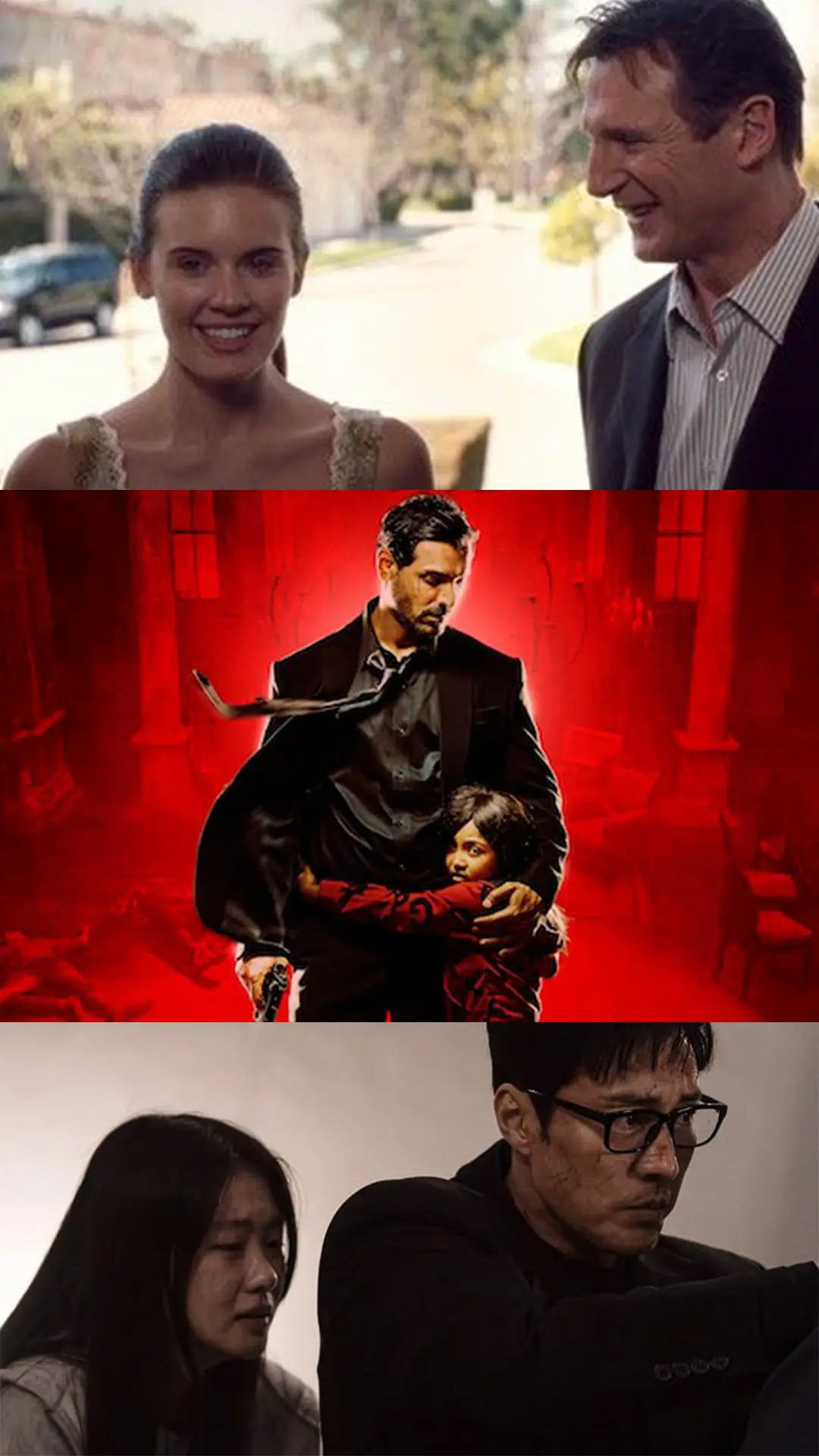
There is a quiet, satisfying thrill to the "retired agent" trope. A former operative leaves his dark, violent past behind to build an ordinary, peaceful life—until a sudden threat knocks on his door, threatening the only thing he has left to protect. Forced back into the dangerous world he tried to escape, his peaceful routine shatters, awakening a dormant lethality that never truly left him. It is an irresistible power fantasy that spans cultures and continents. From Hollywood’s tactical coldness in Taken (2008) to the K-drama domestic humour of Agent Kim Reactivated (2026) and Bollywood’s raw, emotional warfare in Rocky Handsome (2016), cinema proves time and again that you can retire the man, but you can never retire the weapon.
A Particular Set of Skills: Taken
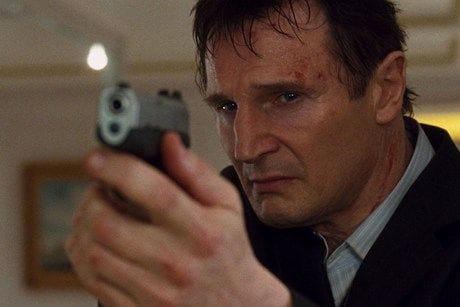
In Taken, Liam Neeson plays Bryan Mills, a retired CIA operative who sacrificed his family life for his country. Hoping to make up for lost time, he leaves the dangerous world behind—only to find he is already too late. Unable to bear the constant loneliness and absence, his ex-wife has remarried, and his seventeen-year-old daughter, Kim, treats him like an overbearing stranger. Bryan’s protective instincts clash with Kim’s desire for freedom, but he reluctantly agrees to let her go to Paris on vacation. That fragile peace shatters when a ruthless human trafficking ring abducts Kim. Stranded thousands of miles away in Los Angeles, Bryan is given a terrifying deadline: he has just 96 hours before his daughter disappears forever into the underground trade.
As she hides under a bed during the break-in, Kim describes everything she sees over the line to her father until she is dragged away. One of the kidnappers picks up her phone from the floor, prompting Bryan to deliver a chilling, unforgettable warning: “I don't know who you are. I don't know what you want... but what I do have is a very particular set of skills. Skills I have acquired over a very long career. Skills that make me a nightmare for people like you... I will look for you, I will find you, and I will kill you.” And with zero hesitation, that is exactly what he does.
The Spy in the Neighborhood: Agent Kim Reactivated
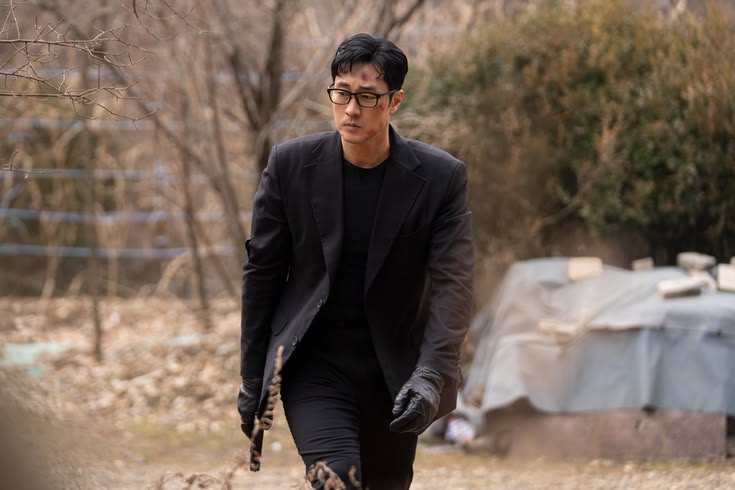
Manager Kim looks like the last person capable of hurting anyone. He's soft-spoken, unremarkable, the kind of man who clocks in at a small savings bank and comes home to make dinner for his teenage daughter, Min-ji. He's not rich, he's not powerful but he shows up for her completely, every single day, which is its own quiet kind of strength but he doesn't know how lonely and miserable his daughter’s school life is.
Min-ji is bullied at school by Hye-ri, daughter of a construction tycoon more interested in protecting his kid than correcting her, Kim does what he's always done to keep the peace—he gets on his knees and apologizes in front of everyone. But Min-ji doesn't see it as a sacrifice. She sees it as her father folding instead of fighting for her, and she walks away furious. However, it doesn't with Kim's apology. Hye-ri and her friends corner Min-ji, and a fight breaks out, leaving her fighting for her life.
That's the exact moment Manager Kim stops existing. Underneath the suit and the bank badge is Agent 66—a former North Korean spy, a man trained and broken down until almost nothing of who he used to be remained, except the name he never lost. What makes it land isn't the fighting, it's that we spent the whole first stretch of the show believing his gentleness was all there was to him, right up until it wasn't.
The Brutal Indian Retribution: Rocky Handsome
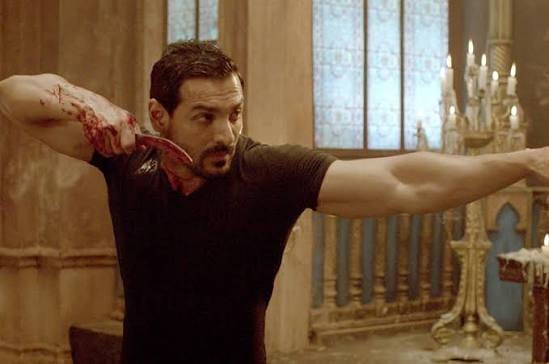
Following a similar theme, Rocky Handsome brings an intense, emotionally charged Indian perspective to the sleeper-agent narrative. John Abraham plays Kabir Ahlawat, a quiet, withdrawn pawnshop owner living in Goa who hides a deeply tragic past as a lethal Special Forces operative. Having lost his pregnant wife in a past operation, Kabir isolates himself from the world, until Naomi—an innocent, neglected neighborhood girl—enters his life. She becomes his sole tether to humanity. But when a drug-and-organ-harvesting syndicate abducts Naomi to silence her mother, Kabir’s peaceful facade crumbles. Shedding his civilian anonymity, he reactivates his elite military training to wage an uncompromising, one-man war against the Goa underworld.
The film shifts from quiet grief to raw, visceral action, highlighted by the iconic, close-quarters knife-fight climax. Driven by devastating guilt and a desperate need to save the only child who brought him out of the dark, Kabir transforms into an unstoppable force—proving that when a deadliest weapon is reawakened by paternal love and quiet rage, no syndicate can survive the aftermath.
The Unstoppable Hero
Ultimately, the enduring appeal of the retired-agent archetype comes down to a universal truth: we love watching a humble, quiet life collide with extraordinary capability. Whether it is Bryan Mills relying on cold tactical efficiency in Paris, Agent Kim shedding his gentle suburban persona in Seoul, or Kabir Ahlawat tearing through the Goa underworld in India, these stories tap into our deepest protective instincts. They take the relatable, everyday fear of being unable to protect those we love and transform it into the ultimate power fantasy. Across continents, languages, and cultures, cinema continues to prove that no matter how quiet an aging operative attempts to live, a protector driven by love and quiet rage will always be the most dangerous weapon in the room.