
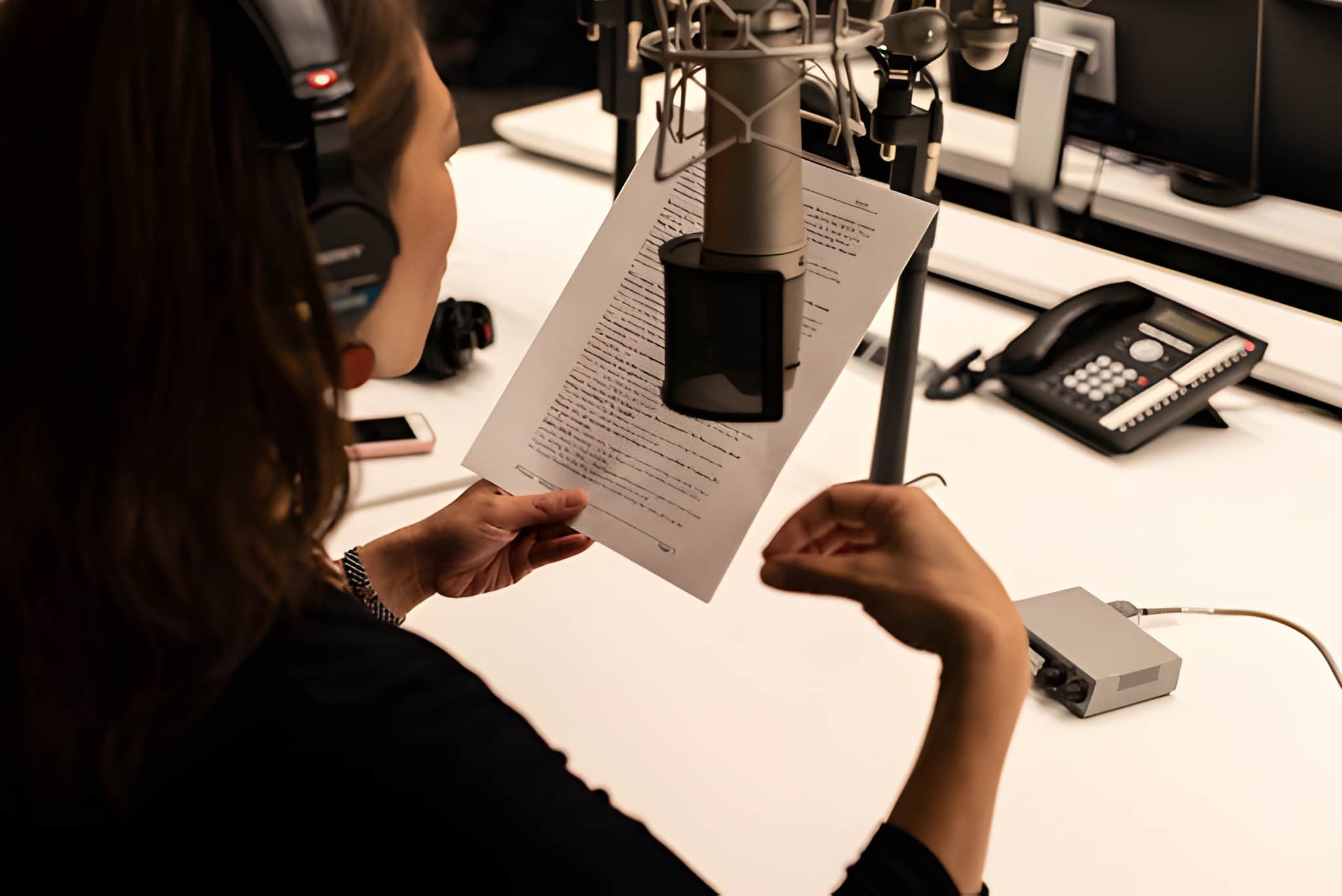
On any metro ride across Delhi, Mumbai, or Bengaluru, look closely at the passengers wearing earphones. Many of them aren't endlessly scrolling through video feeds or watching streaming shows. Instead, they are staring out the window, completely immersed in a world someone is simply telling them about. India’s oldest method of keeping narratives alive is experiencing a high-tech, deeply intimate modern comeback.
From Radio Plays to Podcasts
Indians have always been audio-first consumers of culture. From grandmother’s bedtime fables and community gatherings to the iconic era of All India Radio’s Hawa Mahal, listening together was once a daily ritual. What has changed today isn't our appetite for spoken stories but where those stories live. Narrative storytelling no longer waits for a fixed time slot on a family radio set. It sits on a smartphone screen, streaming on demand, accompanying listeners through chaotic morning commutes, late-night chores, and quiet bedtime routines.
The Platforms Shaping the Space

At the forefront of this shift are homegrown platforms that recognised the immense power of audio long before global giants took notice. Pocket FM, launched in 2018, pioneered serialised audio series tailored specifically for digital-native audiences. Today, it boasts over 250 million listeners across more than 20 countries. Meanwhile, platforms like Kuku FM have built massive hyper-local audiences, logging over 122 million downloads. Kuku FM’s expansive library spans full-length audiobooks, non-fiction summaries, and long-form fiction series available in more than ten regional Indian languages.
Why Audio, Why Now?
The resurgence of audio is driven by three major shifts: screen fatigue, changing daily routines, and language inclusivity. Modern digital life demands constant visual attention, leaving consumers exhausted by screen time. Audio offers an effortless alternative—it seamlessly fits into the gaps of a busy day, allowing people to commute, exercise, or cook while immersing themselves in a story.
Equally critical is the democratisation of language. For decades, premium digital entertainment and audiobooks catered heavily to English-speaking urban demographics. Audio platforms changed the game by prioritising localised content in Hindi, Marathi, Tamil, Telugu, and Bengali. By offering episodic "audio soap operas"—snackable 10-to-15-minute chapters packed with drama and emotion—these apps made storytelling accessible to millions who prefer consuming content in their native tongues.
What Gets Told
Serialised dramatic fiction currently dominates the charts. High-stakes romance, psychological thrillers, fantasy epics, and intense family sagas keep listeners hooked, with each episode crafted to end on a suspenseful cliffhanger that prompts an immediate tap of the "next episode" button. Alongside binge-worthy drama, educational audiobooks and concise self-improvement summaries have turned commuting time into micro-learning opportunities, catering to listeners looking to upskill on the go.
The Creative & Economic Reality
Despite its rapid rise, the industry faces crucial structural questions regarding production and revenue. In a move that highlights the technological shift in media, Pocket FM relies on generative AI tools to power a vast majority of its voice production and localisation pipelines, even as human writers supply the core narrative concepts and screenplays.
Furthermore, the business model reveals a fascinating economic twist: while the content originates in India, its most lucrative market is international. The United States currently generates nearly 70% of Pocket FM’s annualised revenue. Indian-authored micro-dramas and serialised audio tropes are being translated, adapted, and heavily monetised for global, paying audiences abroad.
The Future of the Spoken Word
Audio storytelling in India has swiftly evolved from a nostalgic habit into a multi-million-dollar global industry. It has proven that even in an era dominated by short-form video and relentless visual stimulus, the simple power of a voice telling a compelling story remains unmatched.
Yet, as the industry scales, it stands at a critical crossroad. The future will be defined by how platforms balance efficiency with art—navigating the fine line between AI-generated, algorithmically driven content and the irreplaceable warmth, nuance, and raw emotion of human storytellers. Whether audio remains a space for authentic human connection or transforms into hyper-automated media factory output will ultimately dictate what we listen to next.