The IPL tournament is a major event in India. During this time, sitting in front of the TV becomes a kind of ritual—predicting the score and debating on who will hit the next six builds the conversation. But have you ever wondered: in a tournament where only one team can emerge as the winner, how are the other teams sustaining themselves despite not winning a trophy? If yes, this article will clear all your doubts – from the major income sources to expenditure of the franchises. Read on to find out exactly how an IPL team makes money.
1. Media Rights

In the evening, every home's, saloon's, restaurant's, and shop's television set runs the same channel—the one broadcasting IPL matches. Viewership even crosses the 1 billion mark at times, proving the craze of cricket among Indian viewers. And that same viewership stands as the biggest source of income for IPL franchises.
The BCCI sold the media rights for the 2023–2027 cycle for ₹48,390 crore. Of this, 50% is retained by the BCCI, and the rest is distributed among the franchises — leaving each team with approximately ₹500 crore per year from this pool alone.
For the 2023–2027 cycle, television rights were retained by Disney Star for ₹23,575 crore, while digital rights went to Viacom18 for ₹23,758 crore. The two later merged into JioStar, which now holds both sets of rights under one entity.
Media rights account for roughly 60–70% of every franchise's total income—meaning even a team that finishes last still earns hundreds of crores before selling a single ticket.
2. Central Sponsorship
The IPL's title sponsorship also provides financial support to teams. Currently, the Tata Group holds the title sponsorship rights for 2024–2028 in a deal worth ₹2,500 crore—which works out to ₹500 crore per season. A share of the revenue flows back to franchises through the central pool.
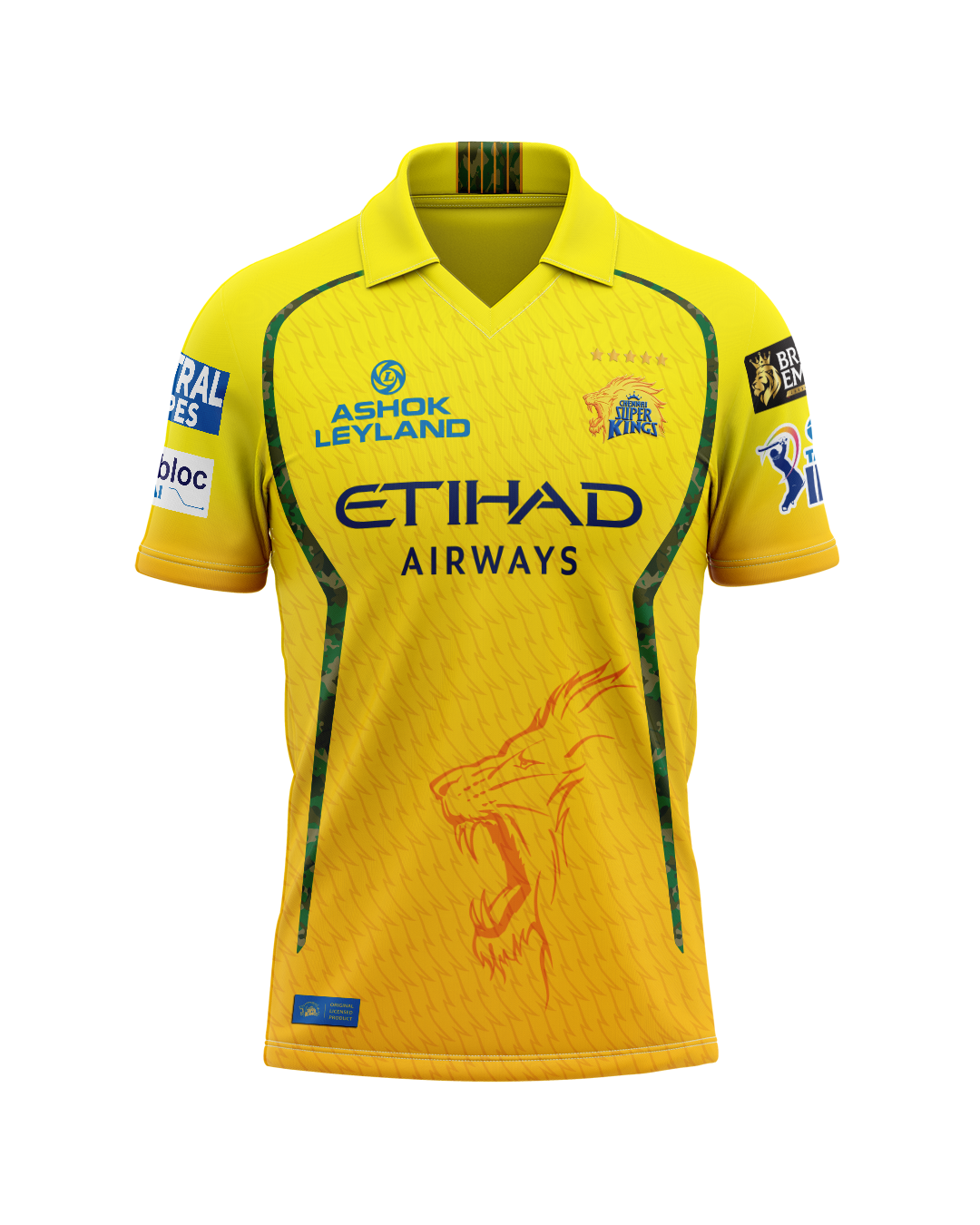
Beyond the title sponsor, each team's jersey carries at least 10 brand logos—from front and back to the sleeves—covering a title jersey partner, co-presenting sponsors, associate partners, and more. Collectively, team-level sponsorships contribute around ₹1,300 crore across all franchises per season.
3. Ticket Sales and Matchday Revenue
You rarely see an empty seat at an IPL stadium. Whether it is a general public ticket or a platinum hospitality box priced at several lakhs, fan enthusiasm cuts across all price points.
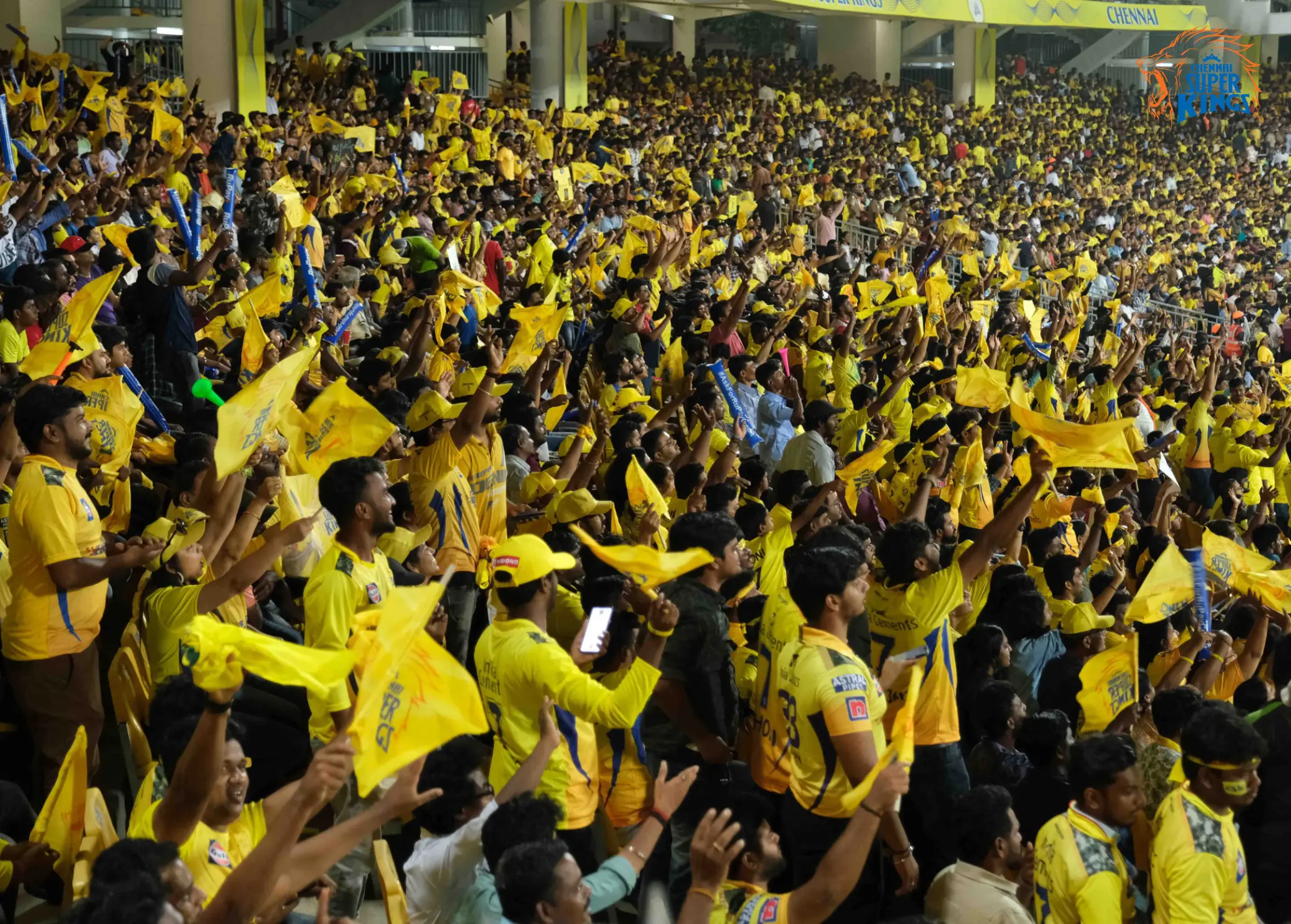
Each team gets to play seven matches on its home ground per season. Revenue from ticket sales, hospitality boxes, and in-stadium advertising goes directly to the home franchise. Beyond direct income, IPL match days also drive surges in tourism, with hotels in host cities often reaching full occupancy during the tournament.
4. Merchandise and Digital Content
To show support for their favourite team, fans purchase jerseys, headbands, caps, and other merchandise. Franchises monetise this by selling manufacturing rights to brands and running their own official online stores.
Alongside physical merchandise, teams now produce their own digital content — behind-the-scenes videos, exclusive player interviews, and original documentaries — published on team apps and YouTube channels. This content is monetised through advertising and premium subscriptions, making digital a fast-growing revenue stream.
5. Prize Money
The total IPL prize pool is ₹50 crore. The winning team receives ₹20–22 crore, the runner-up gets ₹15 crore, and the third- and fourth-placed teams receive ₹7 crore each.
One important detail: franchises are required to distribute 50% of their prize money among their players, not keep it entirely. So while prize money is a welcome bonus, it represents only a small fraction of a franchise's total earnings.
Expenditure
Despite having several income streams, franchises still operate on relatively modest net margins. The biggest cost is building a squad, which can range from ₹100 to ₹145 crore per season under the salary cap. Franchises also pay an annual fee to the BCCI. On top of that, operational costs — accommodation, travel, support staff salaries, coaching staff, and marketing — add roughly ₹40–50 crore per season.
Final Thought
Turning sport into a billion-dollar business, the IPL now stands as one of the highest-value tournaments in the world. Where movies, series, and shows struggle to hold a viewer's attention for a weekend, the IPL delivers prime-time engagement every evening for two full months.
That consistency is what drives its media rights value on both television and digital platforms — and what makes brands willing to pay a hefty sum to be visible on team jerseys, stadium boards, and player content. Whether a team wins the trophy or not, the business model is built to keep every franchise profitable.