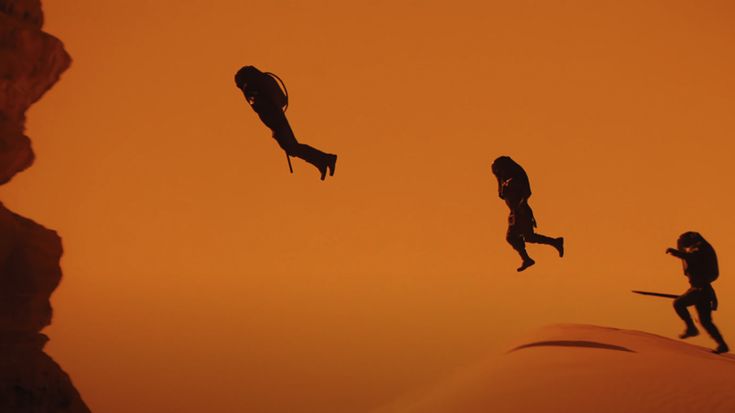
Denis Villeneuve's Dune films did something rare for a big-budget blockbuster. They asked audiences to slow down. Long silences, extended shots of sand and sky, and a story that takes its time to unfold all found a home inside a franchise that made over a billion dollars worldwide. That combination has changed what a mainstream hit is allowed to look like.
What slow cinema really means
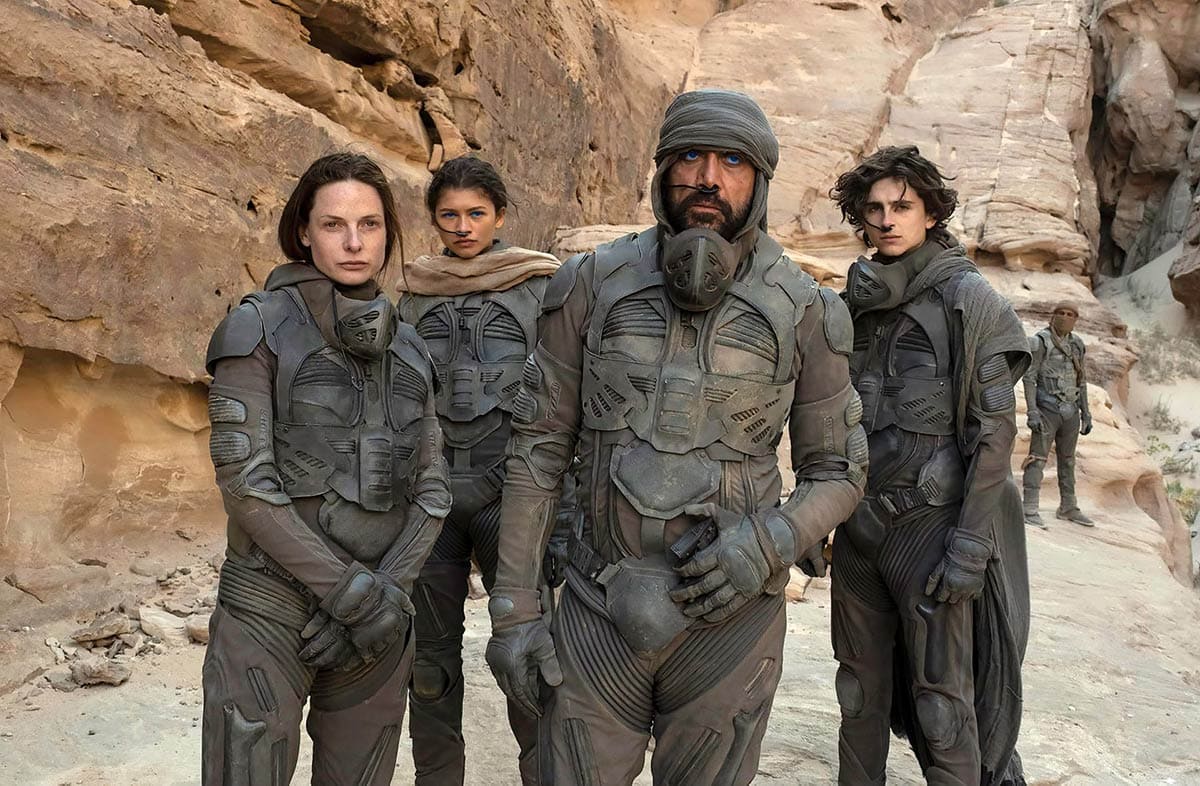
Slow cinema is not just a description of pacing. It is a real movement in film history, built by directors like Andrei Tarkovsky, Bela Tarr, and Chantal Akerman. Their films use long takes, quiet stretches, and minimal dialogue to make viewers sit with a moment instead of rushing through it. This style has mostly lived in art-house theatres and film festivals, far from multiplexes and opening weekend numbers.
Dune does not belong to this tradition in a strict sense. It has movie stars, a huge budget, and a plot built for spectacle. But it borrows the patience that defines slow cinema, and it brought that patience to a mass audience.
Villeneuve's deliberate pace
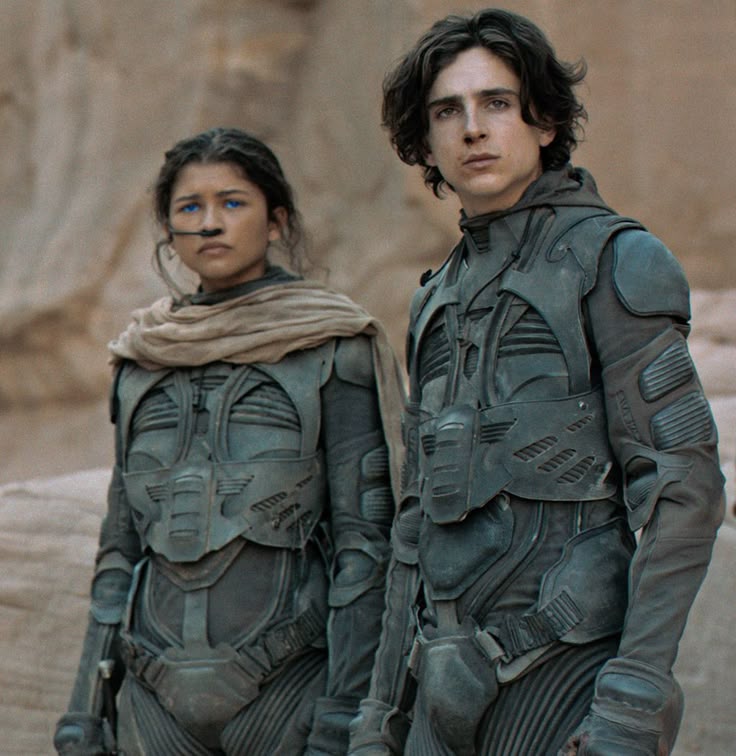
Critics noticed this from the start. Reviews of the first Dune film often called it slow, sometimes as praise and sometimes as a complaint. The film spends its opening act building the world of Arrakis before the plot truly begins to move. Villeneuve has said he paces his films this way to give actors and images room to breathe, rather than cutting quickly from one plot point to the next.
This is unusual for a modern science fiction blockbuster. Most big franchise films favour quick cuts and constant action. Dune instead lingers on landscapes, on faces, and on silence, letting tension build slowly rather than through nonstop spectacle.
The numbers tell the real story
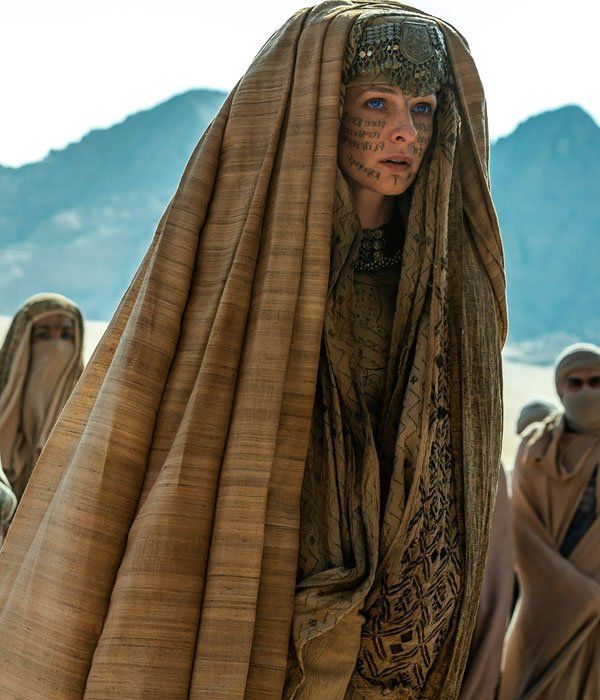
What makes Dune different from earlier slow-paced films is that it worked commercially. Dune: Part Two earned about $715 million worldwide, becoming one of the highest-grossing films of 2024. Its predecessor added another $434 million. Together the two films crossed $1.1 billion, while also winning multiple Academy Awards for sound and visual effects.
Audiences did not just tolerate the slower pace. Many named it as the reason the films felt different from typical blockbusters. Word of mouth praised the deliberate rhythm as much as the action sequences, and IMAX screenings became a major part of the film's box office success, showing that people wanted to experience this patience on the biggest possible screen.
A wider ripple
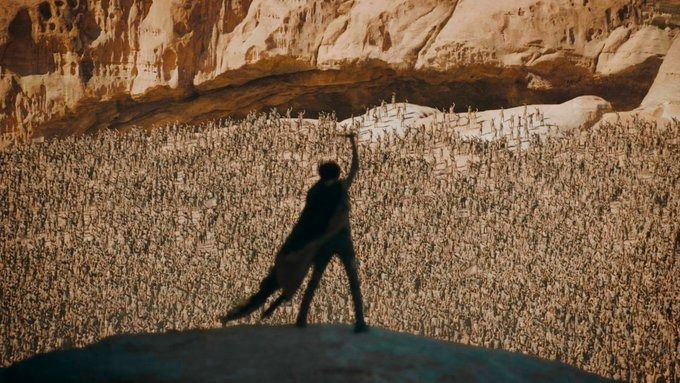
Dune's success has given studios more confidence to back epics that do not rush. A third film, officially titled Dune: Part Three, has already finished filming and is now in post-production, with a release set for December 18, 2026. It adapts Frank Herbert's novel Dune Messiah, brings back Timothee Chalamet and Zendaya, and adds Robert Pattinson to the cast. Its first trailer arrived this July, and Villeneuve has said it will be his last Dune film. Other directors making large-scale, patient films can now point to Dune as proof that audiences will show up for a story that takes its time.
Dune has not turned Tarkovsky into a household name. But it has shown that mainstream cinema can slow down without losing its audience, and that alone marks a real shift in what big-budget filmmaking can be.