Gut health has become one of the most talked-about aspects of wellness today, and for good reason. A balanced gut makes everyday digestion smoother, keeps energy levels steady, and even supports immunity. In India, traditional diets already include many gut-friendly foods—like fermented staples, fibre-rich dals, and digestive spices—that modern nutrition science now highlights as essential. As conversations around wellness evolve, gut health has emerged as the foundation of overall well-being.
Understanding the Gut
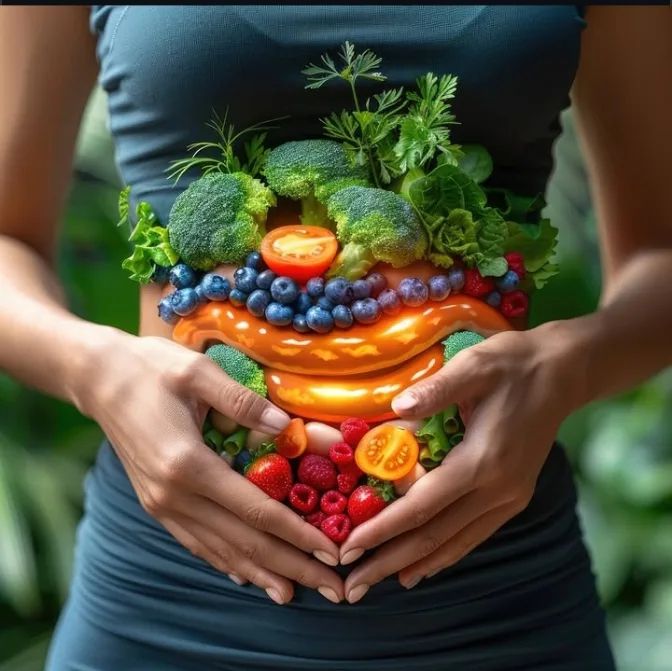
The gut refers to our digestive tract, home to trillions of microorganisms collectively known as the gut microbiome. These microbes play a vital role in breaking down food, absorbing nutrients, regulating immunity, and even influencing mood and energy levels. When the gut is healthy, digestion feels smooth, bloating is minimal, and the body’s natural defences are stronger. But poor gut health often caused by processed foods, stress, or irregular eating habits can lead to issues like indigestion, inflammation, and fatigue.

In India, traditional diets have long emphasised foods that naturally support gut health: fermented staples, fibre-rich dals and whole grains, and digestive spices. These time-tested practices align beautifully with modern science on probiotics, prebiotics, and anti-inflammatory nutrition.
Fermented Staples: India’s Natural Probiotics
Fermented staples form the heart of India’s gut-friendly food culture, and they are more than just traditional recipes—they are living foods that actively nourish the microbiome. When rice and lentils are soaked and left to ferment for idli or dosa batter, or when curd is set overnight, beneficial bacteria multiply, creating natural probiotics that aid digestion and strengthen immunity. Buttermilk, often spiced with jeera or hing, cools the stomach and reduces bloating. Even snacks like dhokla carry this legacy, their airy texture born from fermentation. These dishes are not only flavourful but also deeply restorative, showing how Indian culinary traditions have long embraced gut health in everyday meals.
Fiber-Rich Dals and Whole Grains: Feeding the Good Bacteria
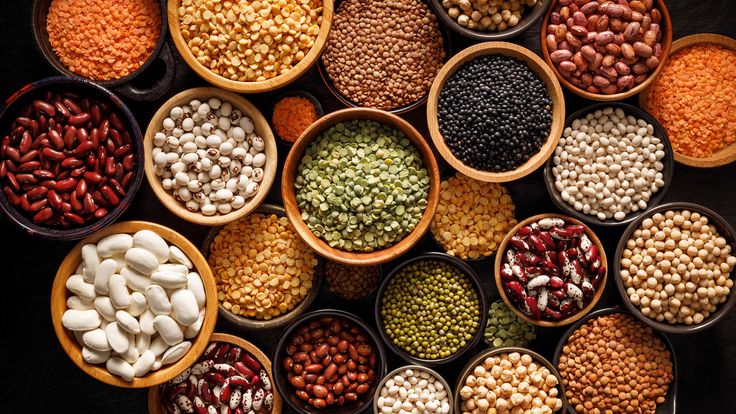
Fibre-rich dals and whole grains are another cornerstone of an Indian gut health diet, offering the prebiotic nourishment that good bacteria thrive on. Lentils like moong dal, masoor dal, and chana dal are packed with soluble fibre, which not only aids digestion but also helps regulate blood sugar and keep you feeling full. Whole grains such as brown rice, jowar, bajra, and ragi provide complex carbohydrates that break down slowly, ensuring steady energy while feeding the gut microbiome. Together, dals and grains create balanced meals—whether it’s a simple dal-chawal, a hearty khichdi, or rotis made from millet flour—that are gentle on the stomach yet deeply restorative.
Digestive Spices: Flavour with Function
Digestive spices are perhaps the most distinctive element of Indian cooking, and they play a powerful role in maintaining gut health. Everyday additions like jeera (cumin), ajwain (carom seeds), and hing (asafoetida) are not just flavour enhancers—they actively aid digestion by reducing gas, easing bloating, and stimulating digestive enzymes. Turmeric, with its anti-inflammatory properties, helps soothe the gut lining, while ginger and saunf (fennel) improve motility and calm discomfort after heavy meals. These spices are often woven seamlessly into dishes, from tempering dals to seasoning buttermilk, making them an integral part of daily eating rather than occasional remedies. Their consistent presence in Indian diets reflects a deep cultural understanding that food should heal as well as nourish.
Everyday Foods, Lifelong Balance
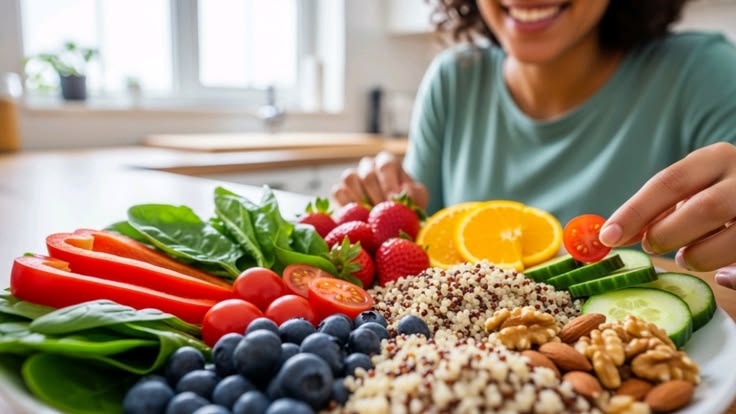
Gut health is not just a wellness trend—it is the foundation of how our body functions every day. By nurturing the microbiome through simple, traditional foods, Indian diets offer a natural and sustainable way to keep digestion smooth, immunity strong, and energy balanced. Fermented staples bring probiotics to the table; fibre-rich dals and whole grains feed the good bacteria, and digestive spices ensure comfort after meals. Together, these elements create a diet that is both culturally rooted and scientifically validated. In a world where processed foods and quick fixes often dominate, returning to the wisdom of Indian culinary traditions reminds us that healing can be found in everyday meals.