The greatest of the Grand Slams, the Wimbledon tournament, has begun in London. Aside from the elite spectators and guests who often take away all the attention and become the only topic of discussion for people in India, the participation of Indian players and their accomplishments rarely surface. Long before India gained independence, Indian players began participating in the tournament in 1905. Since then, their contribution to this event includes many milestones and victories that go unrecognised in India.
The 1905 debut that continues to follow
The 29th edition of Wimbledon became the stage for B. Nehru's debut, a player of Indian origin who represented Great Britain. Thereafter came Sirdar Nihal Singh, the first Indian to play in the tournament representing India. Though he lost in the first round, it was just the beginning for Indians who would go on to make their names famous in the game.
Among all the pioneers of the game, one name stands out—Jenny Sandison, who first represented India in the women's category in 1929. She became one of the earliest Indian women to compete at Wimbledon and inspired future generations, especially women, to take up the sport.
India's participation at Wimbledon was visible but not remarkable enough to make any impact. Only after Ramanathan Krishnan, who reached the semi-finals at Wimbledon in 1960, did India gain recognition among the giants of the game. His graceful playing style helped him reach the semi-finals again the following year and earn a seeding.
Leander Paes — three decades, five titles
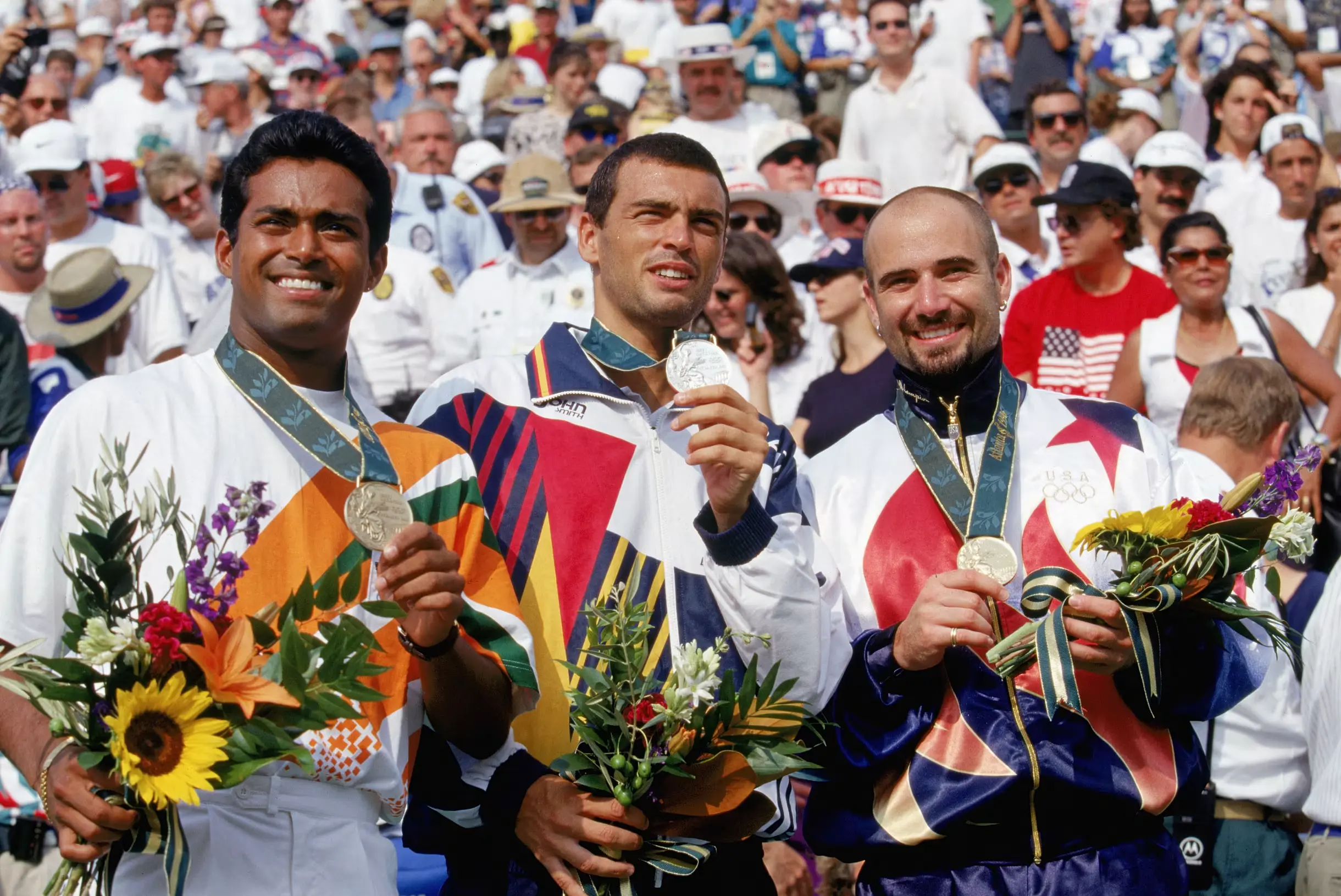
After several decades, India witnessed the emergence of another generation of great players in tennis. In 1999, the Indian pair of Leander Paes and Mahesh Bhupathi attained a remarkable feat by reaching the finals of all four Grand Slam tournaments in the same year, winning two of them—the French Open and Wimbledon. Paes went on to win four Wimbledon mixed doubles titles in 2003, 2010, 2015 and 2016, in addition to the men's doubles crown in 1999. He became India's most successful tennis player and is regarded as one of the greatest doubles players of all time with 18 Grand Slam titles. Furthermore, he became one of the few players to win Wimbledon titles across three different decades.
Mahesh Bhupathi — the first Indian Grand Slam champion
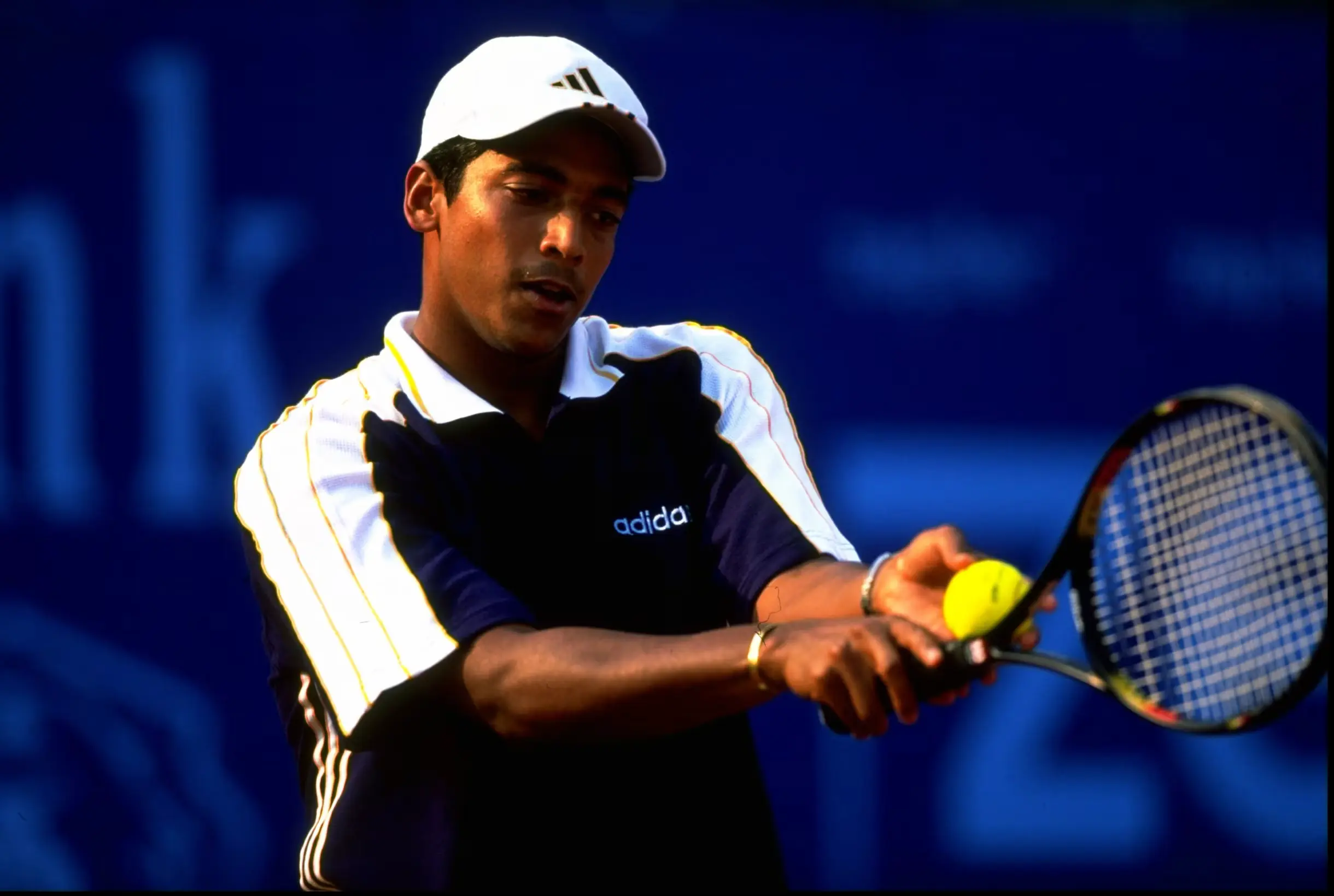
The first Indian to win a Grand Slam title, Mahesh Bhupathi achieved the feat at the 1997 French Open by winning the mixed doubles event. He has been one of the celebrated players whose achievements cemented his place among the greatest players in Indian tennis. Along with Leander Paes, he won the men's doubles title at Wimbledon in 1999. He later added two Wimbledon mixed doubles titles to his name in 2002 and 2005.
Sania Mirza — India's first women's Wimbledon champion
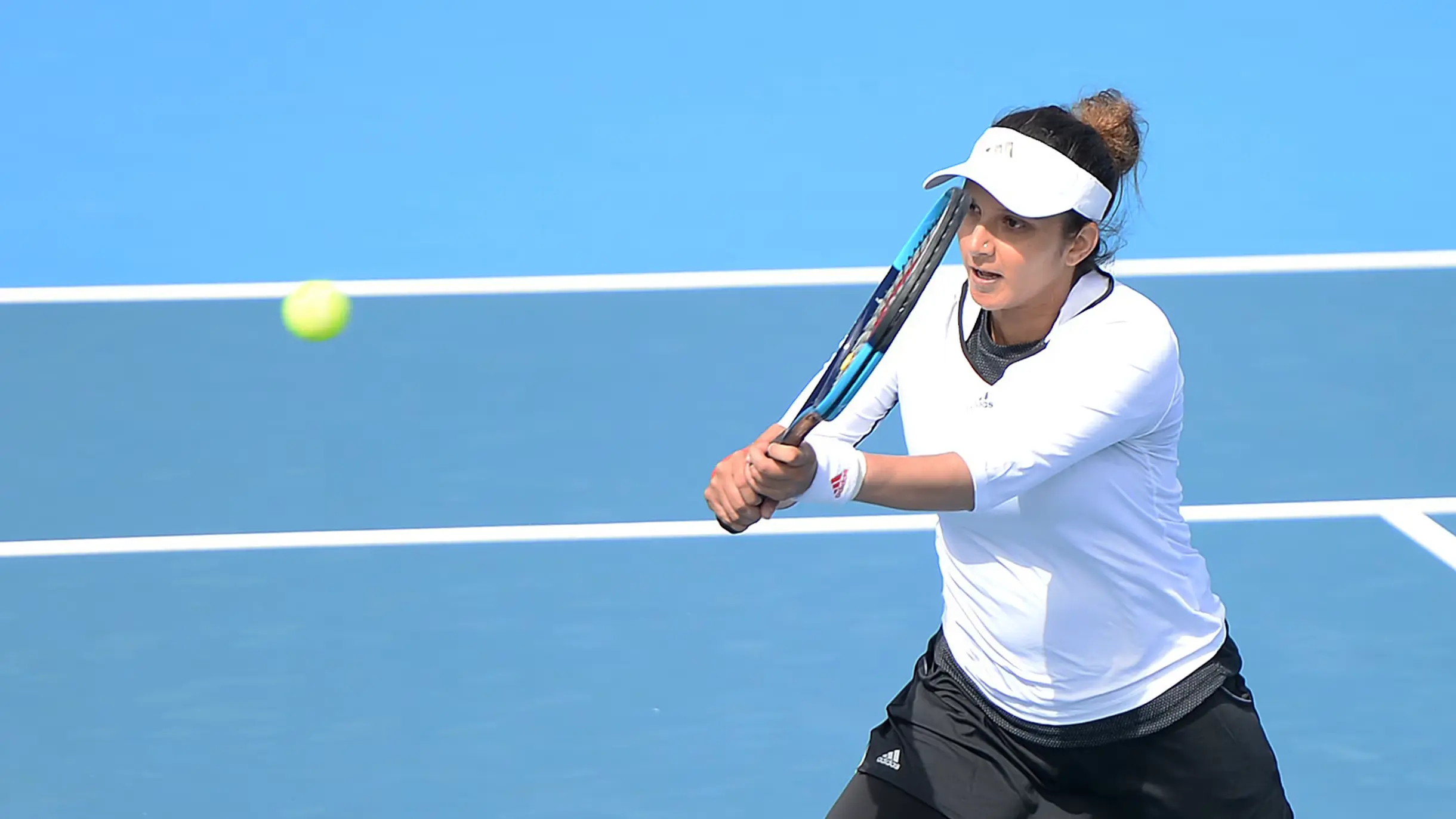
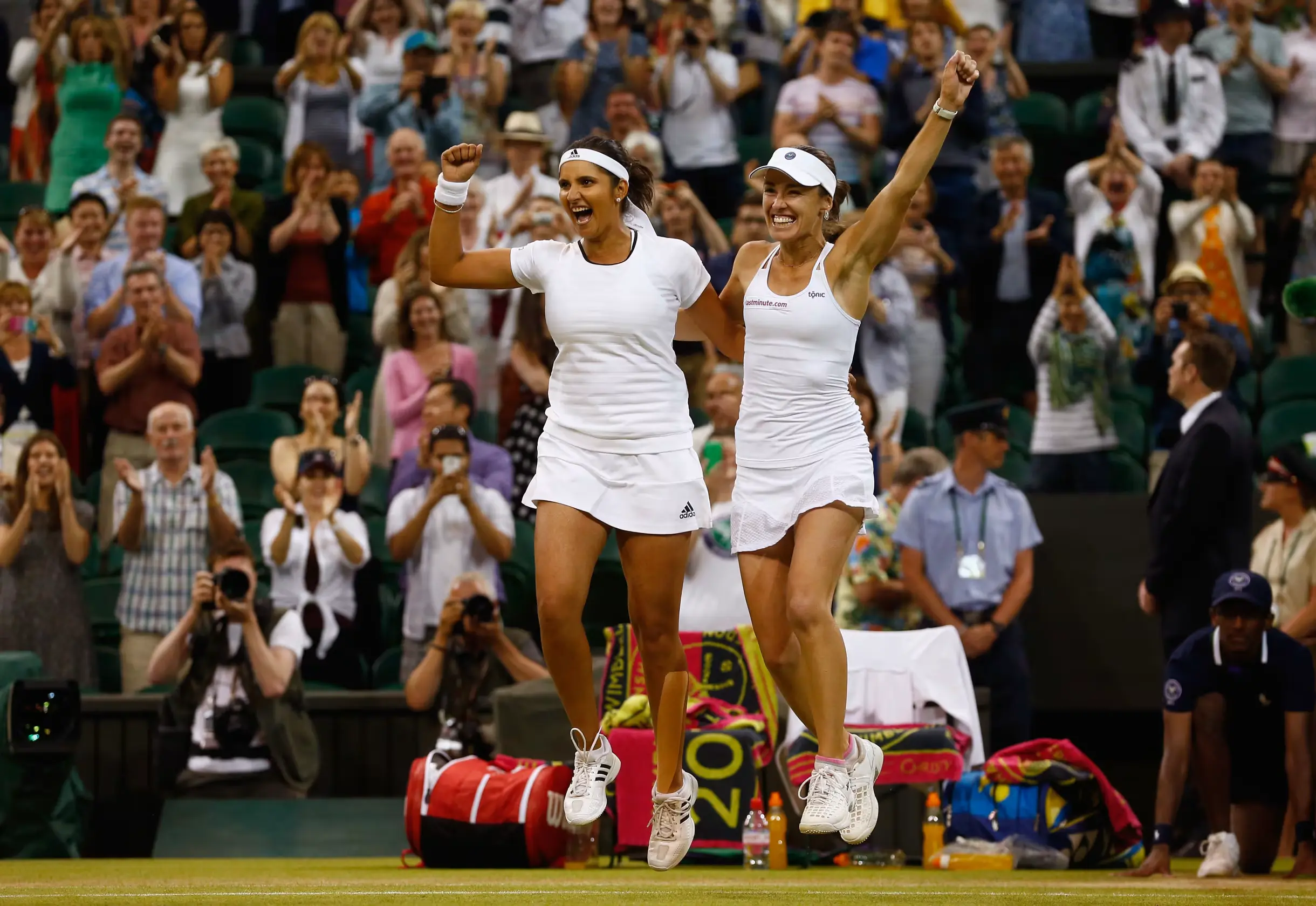
Sania Mirza was India's leading woman tennis player and the country's first woman to win a Grand Slam title. Her first major title came in 2009 when she paired with Mahesh Bhupathi to win the Australian Open mixed doubles trophy. However, it was at Wimbledon in 2015 that she partnered with Swiss player Martina Hingis to win the women's doubles title, becoming the first Indian woman to lift a Wimbledon trophy. The same year, she also achieved the world No. 1 ranking in women's doubles. During her career, she won six Grand Slam titles across women's and mixed doubles events.
The current generation — Rohan Bopanna, Sumit Nagal and what comes next
Even after the retirement of some of India's greatest tennis icons, the country's presence at Wimbledon continues through players like Rohan Bopanna and Sumit Nagal. Bopanna created history by becoming the oldest first-time World No. 1 in men's doubles in 2024 and has remained one of India's strongest contenders in the doubles circuit, while Nagal has revived India's presence in Grand Slam singles with regular appearances at major tournaments, including Wimbledon. Although India is yet to produce another singles player capable of emulating Ramanathan Krishnan's feat or another doubles pair as dominant as Paes and Bhupathi, the legacy built over more than a century continues to inspire the next generation. With improved training facilities, greater international exposure and a growing pool of young talent, Indian tennis hopes to add new chapters to its Wimbledon story in the years to come.