
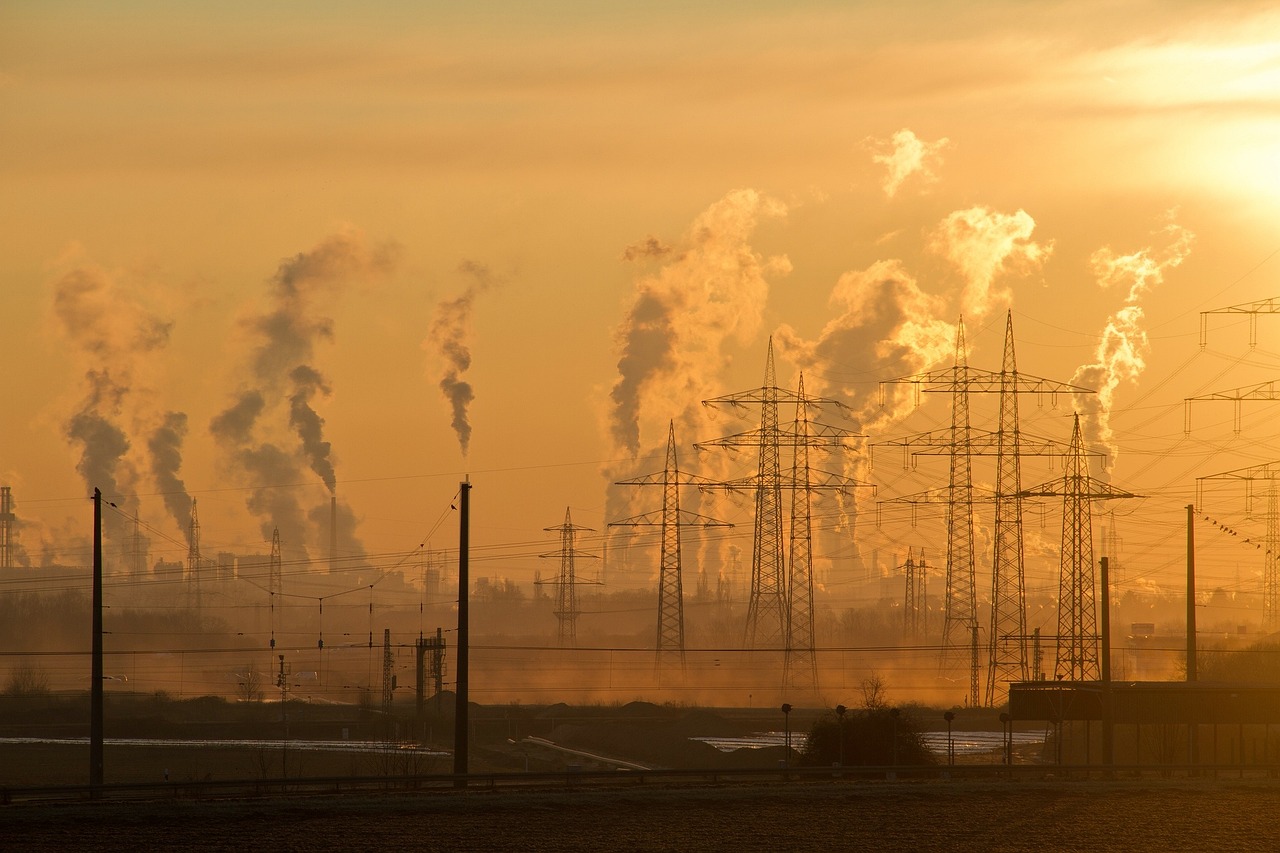
Delhi is gasping for breath!
As winter descends on Delhi, a suffocating haze blankets the city, making it urgent to take steps to protect yourself.
Delhi’s winter chill arrives hand-in-hand with a suffocating haze.
Winter in Delhi usually means chilly air, long nights, and steaming cups of tea. This year, though, the cold bites back with thick, toxic air. Invisible PM2.5 particles sneak past our defences and infiltrate our lungs, triggering coughs and asthma now, and threatening our hearts and lungs in the long run.
The past few days AQI level of Delhi according to CPCB
• 14 Nov 2025: Delhi city-average ~397 (Very Poor).
• 15 Nov 2025: multiple stations reached very poor with Avg 386.
• 16 Nov 2025: The AQI was slightly higher at 377.
• 17 Nov 2025: The average AQI was 359 ("very poor"), but Bawana recorded the highest reading at 427 ("severe").
Why does winter make pollution worse?
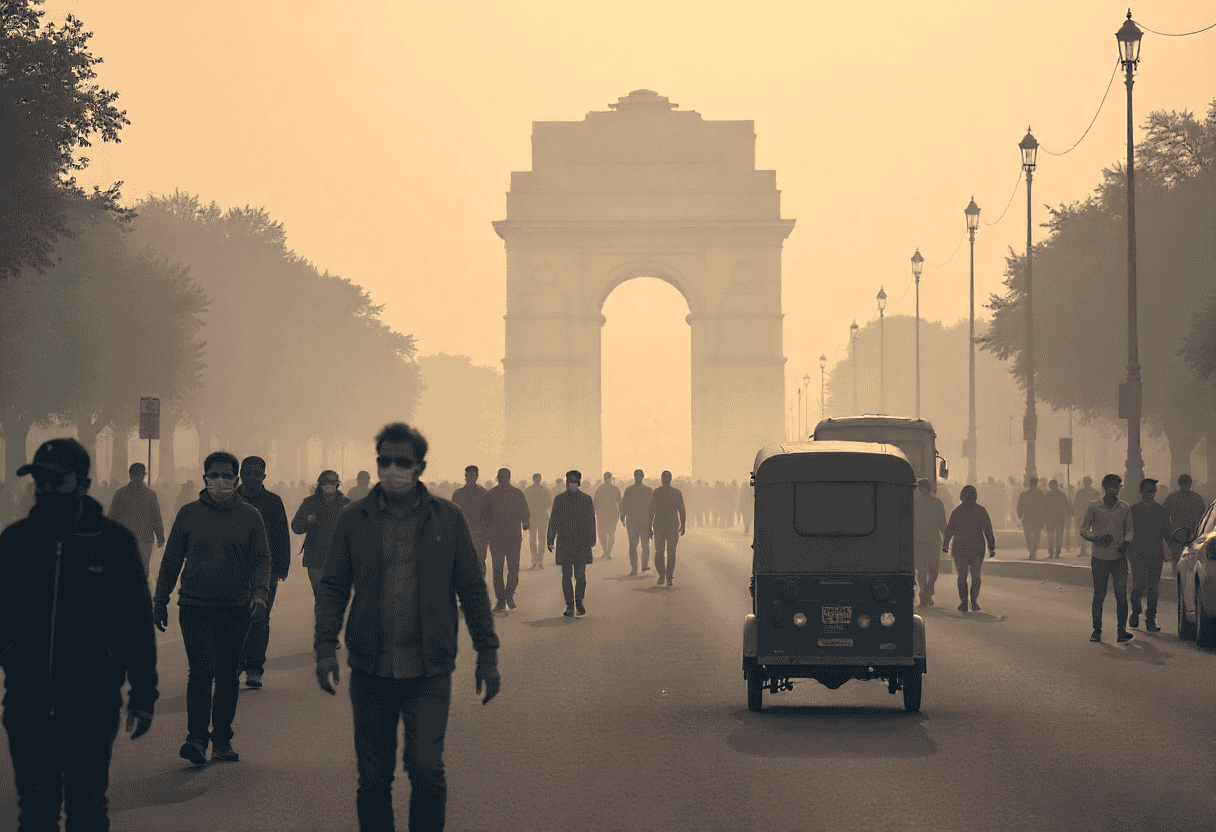
- Frosty nights and misty mornings set the stage. As the ground cools quickly under clear skies, gentle winds fail to stir the air, trapping vehicle and heating emissions close to the surface.
- Temperature inversion — the “lid” effect — sometimes occurs when a warmer air layer sits above cooler surface air; that warm layer acts like a ceiling, preventing pollutants from rising and dispersing.
- When moisture lingers in the trapped air, water clings to pollution particles, causing them to form fog droplets. The more particles, the thicker the fog, until the city’s outlines blur and vanish.
- Winter brings extra trouble: heaters roar, traffic crawls, construction dust swirls, fireworks burst, and stubble burns in nearby fields. All these add fresh waves of pollution to the already trapped air.
All these forces combine to transform simple fog into smog, a toxic brew that threatens our health with every breath.
How to protect yourself?
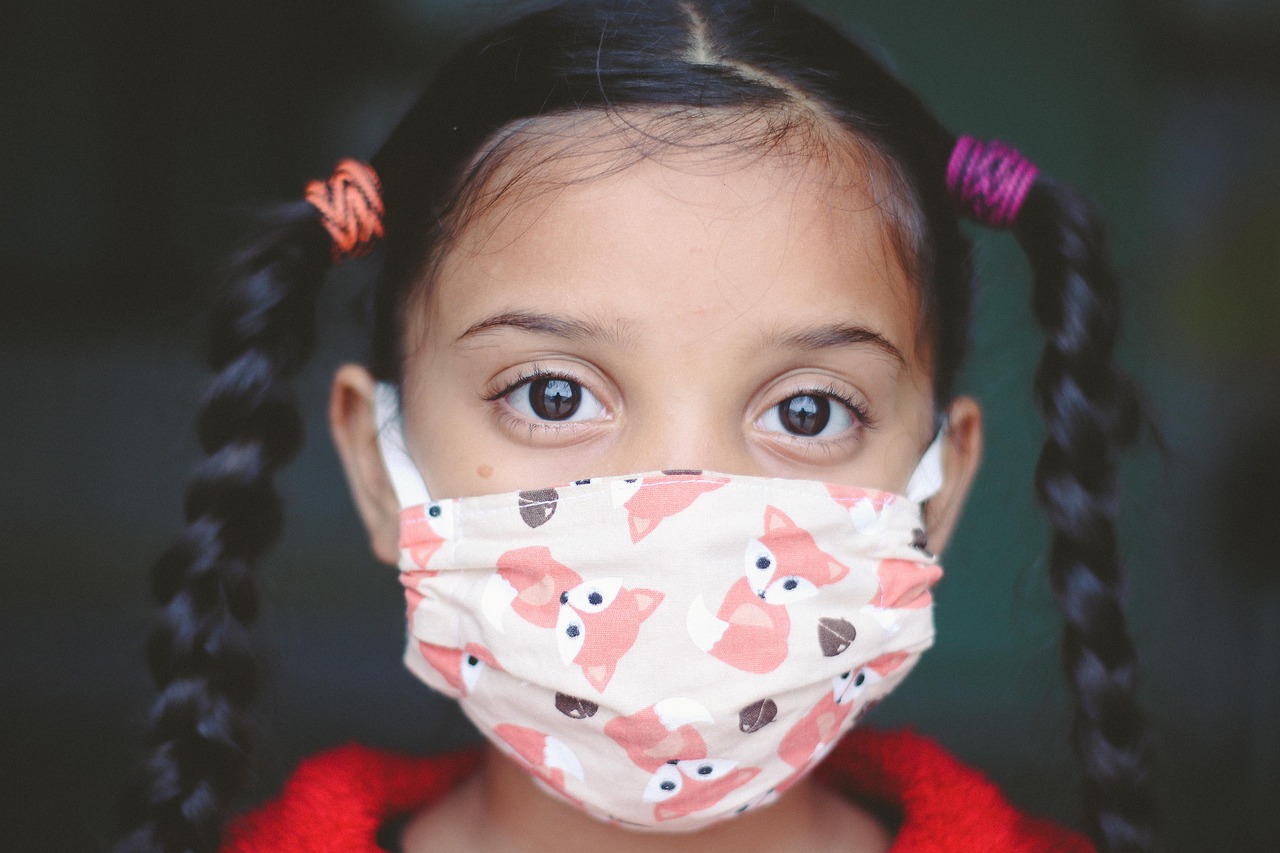
1. Wear a mask: Choose an N95 or KN95 mask before stepping outside on high-pollution days. A good fit is just as important as the mask itself.
2. Use public transportation: Opt for buses or metros, or avoid peak hours when possible. Fewer cars mean cleaner air for everyone, and sealed vehicles help shield you from roadside fumes.
3. Improve indoor air quality: Keep windows closed during peak pollution hours; run an air purifier with a HEPA filter or use the AC on recirculation mode if the outdoor air is heavily polluted.
4. Support your health: Load up on vitamin C-rich fruits and omega-3s to boost your immunity. Remember, though, that a good diet helps but cannot shield you from pollution’s direct effects.
5. Plan your travel: Check IMD, SAFAR, or CPCB updates for fog and air quality before heading out. Allow extra time when the city is shrouded in haze.
Takeaway
Winter in Delhi brings natural cold — but human emissions make the season hazardous. Use data (CPCB/SAFAR) to decide when to limit outdoor activity, wear N95-certified masks, and reduce indoor infiltration. Responsible steps, supported by regional policy, are both necessary to breathe more easily during winter.