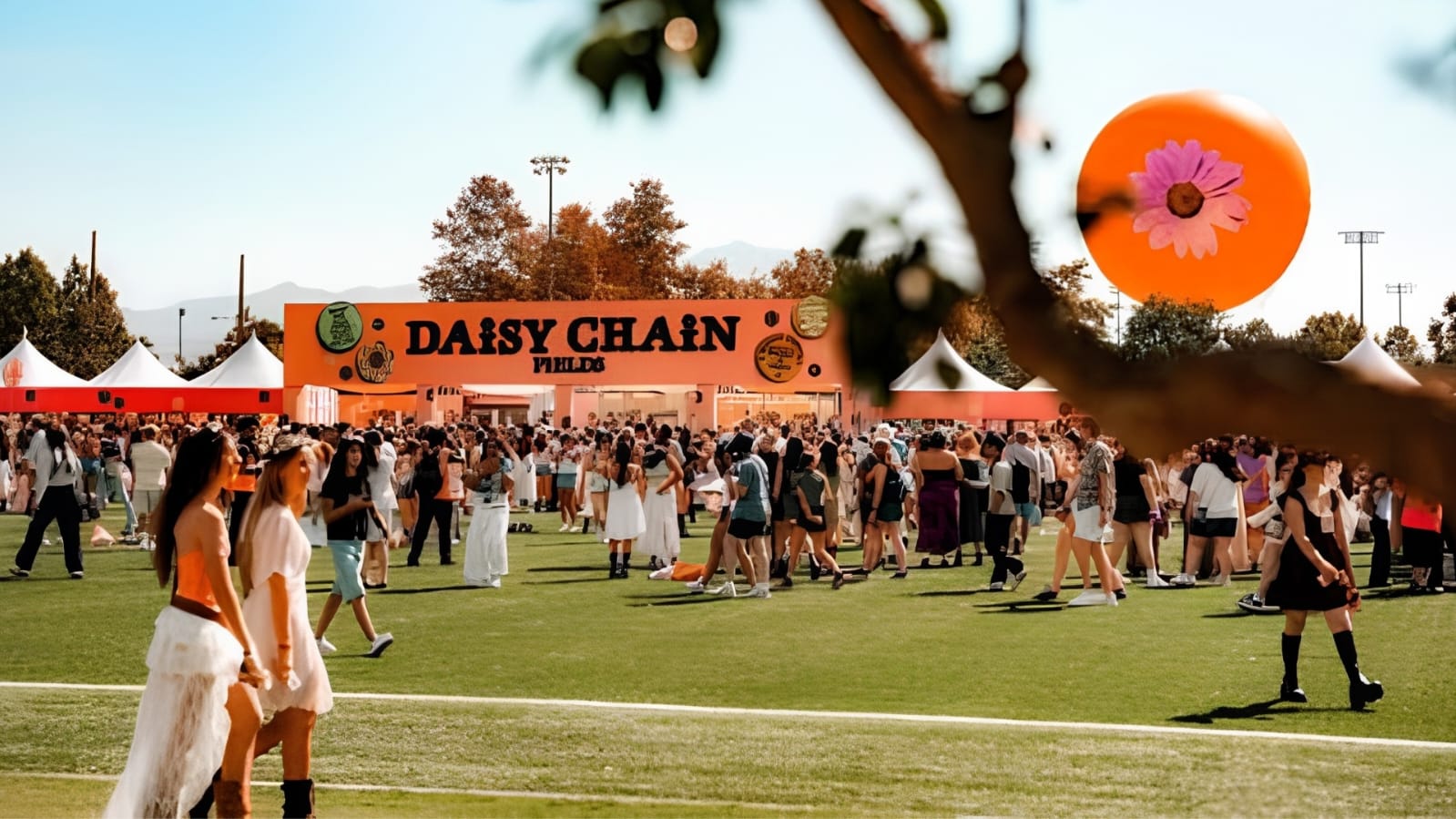
On August 29, 2026, Olivia Rodrigo did something no one quite expected from a 23-year-old pop star still riding the wave of her third album: she built an entire festival from the ground up, and made it work. Daisy Chain Fields, held at Great Park in Irvine, California, wasn't just another stacked lineup with Rodrigo's name at the top. It was a one-day, all-female music festival designed with a purpose—to raise money and awareness for ten nonprofits dedicated to the health and well-being of women and girls. By the end of the night, the festival had raised $20 million. And somewhere between Chappell Roan's lavender-clad entrance and Stevie Nicks closing out the night with "Landslide," it became clear that Rodrigo hadn't just thrown a successful first-time event—she'd tapped into something much bigger.
Where It All Began: The Lilith Fair Connection
To understand Daisy Chain Fields, we have to go back almost thirty years, to a festival called Lilith Fair. Started in 1997 by singer Sarah McLachlan, Lilith Fair was one of the first major tours built entirely around women in music. At the time, many people in the industry doubted it would work. Radio stations and concert promoters believed audiences wouldn't show up for an all-female lineup. They were wrong. Lilith Fair went on to become one of the most successful tours of its time, running for three years and giving a stage to countless women artists who didn't always get the spotlight elsewhere.
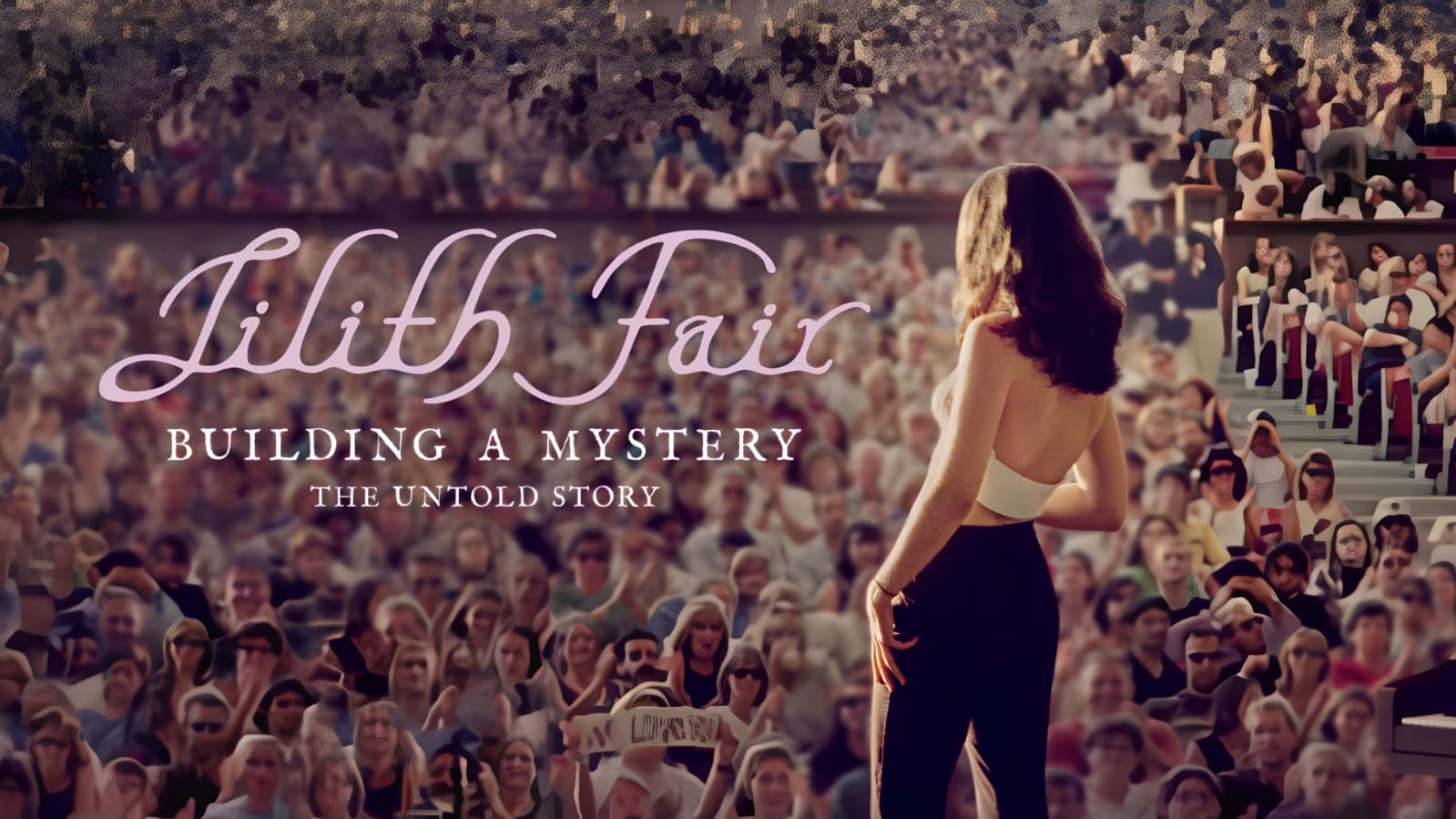
The name itself carries meaning. In folklore, Lilith is said to be Adam's first wife, created before Eve, who refused to submit to him and was cast out for it. Over the years, she's become a symbol of independence and defiance—a fitting namesake for a festival that set out to challenge what the music industry thought was possible for women. Fast forward to 2026, and Olivia Rodrigo has picked up that same thread with Daisy Chain Fields. She's spoken openly about how much Lilith Fair inspired her, even calling Sarah McLachlan herself in the early days of planning. In many ways, Daisy Chain Fields feels like a spiritual sequel.
The Day Itself: Where It Happened, Who Showed Up, and What It Felt Like
Daisy Chain Fields took place at Great Park in Irvine, California, and it wasn't a small affair. Around 45,000 people showed up, and the festival ran across two stages—Dandelion and Marigold—set up so that no two performances overlapped. That meant fans didn't have to choose between artists or miss a set while running across the park. Everyone could see everyone.
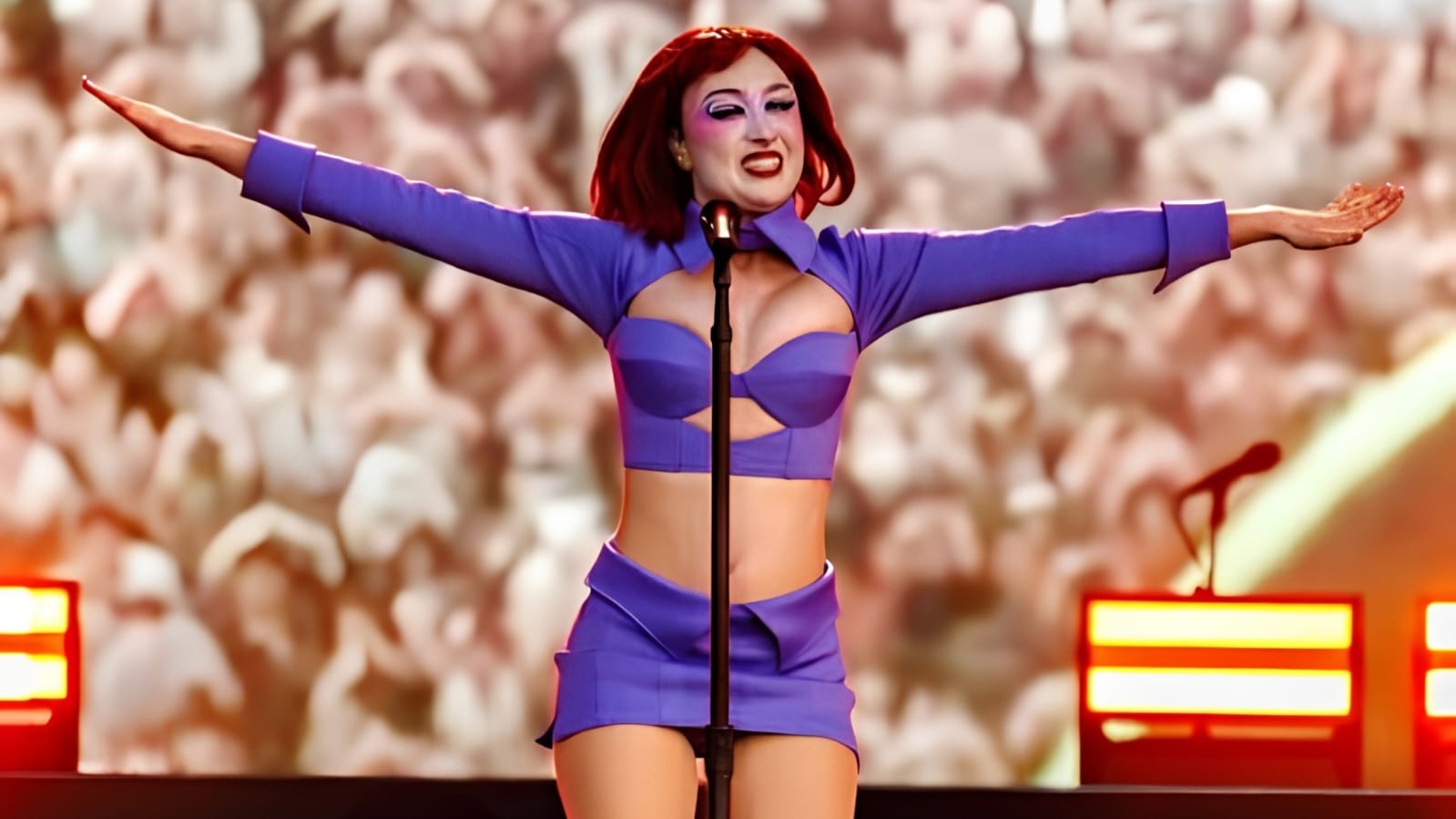
And the lineup was stacked. Chappell Roan brought her signature theatrics, walking out in a lavender outfit and tearing through hits like "Pink Pony Club," "Casual," and "Good Luck, Babe!" Doechii showed up with her whole body painted pink and delivered a set with big staging and even bigger energy, performing collaborations like "ExtraL" and "Girl, Get Up" without needing the featured artists there. Mitski, Santigold, Bikini Kill, Garbage, The Breeders, Die Spitz, Rachel Chinouriri, and several others rounded out a bill that moved easily between punk, pop, rap, and everything in between.
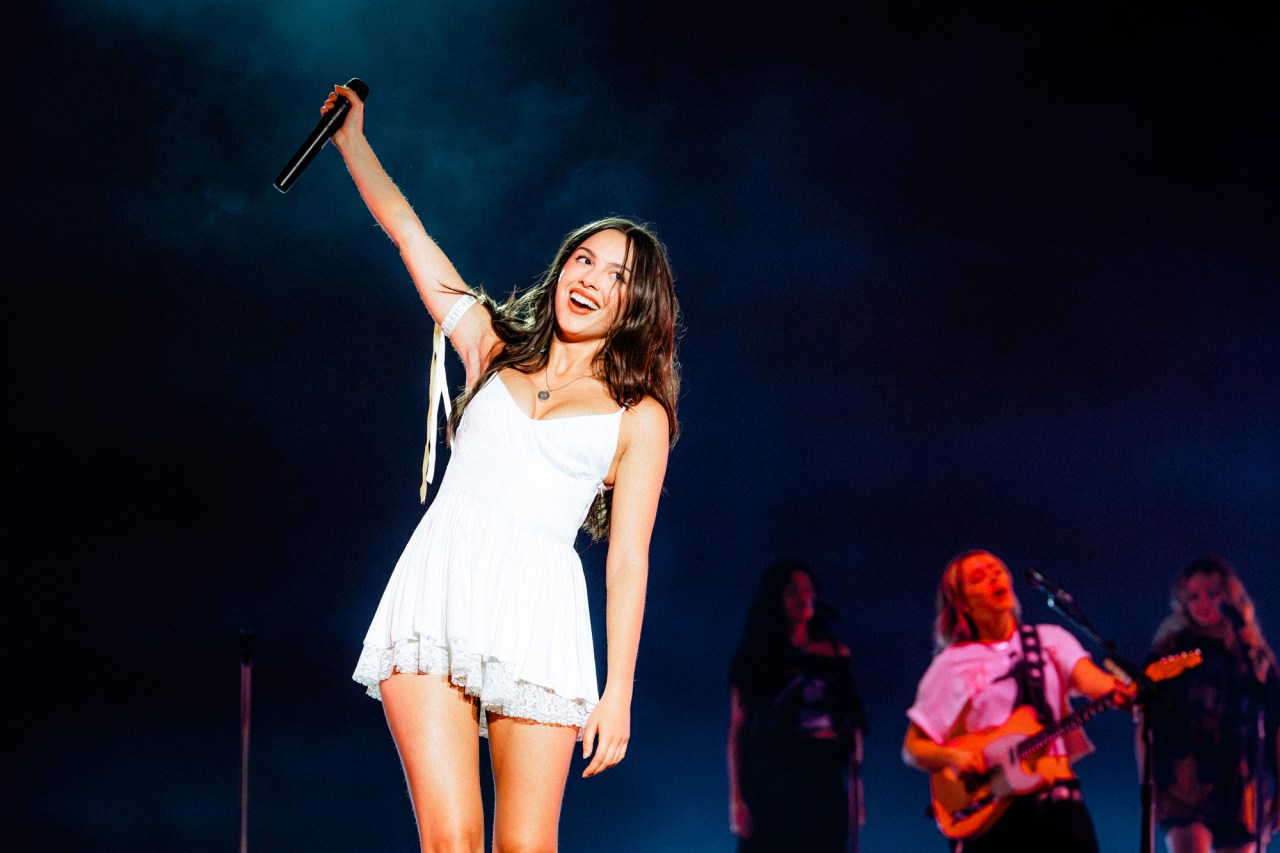
Olivia's own headlining set was the heart of the night. She opened with "Drop Dead" and moved through 17 songs total, mixing old fan favorites like "Drivers License" and "Good 4 U" with new material, including the surprise debut of "Serena Joy." But it was the guest appearances that made the night feel historic. Sarah McLachlan joined her for "Building a Mystery" and "Angel," the latter dedicated to Dolly Parton. And Stevie Nicks closed the entire festival with "Landslide," telling the crowd how much Olivia reminded her of herself at that age.
The atmosphere throughout the day was described again and again as one of pure community. It was an all-women crowd for the most part, and despite the scale of the event, there was a sense of everyone looking out for each other.
Keeping Everyone Safe: How the Festival Handled the Heat
If there's one thing almost every artist and attendee mentioned that day, it was the heat. Southern California was under an extreme heat warning, and with 45,000 people packed into an outdoor park for over ten hours, that wasn't a small detail, it was a real challenge. To their credit, the organizers didn't leave things to chance. Free hydration stations were set up throughout the park so fans could refill their water bottles at no cost. Attendees were allowed to bring personal misting fans to cool off, and shaded areas were pointed out in advance so people could take breaks between sets. Cooling buses were even stationed near the medical tents in case anyone needed more serious help.
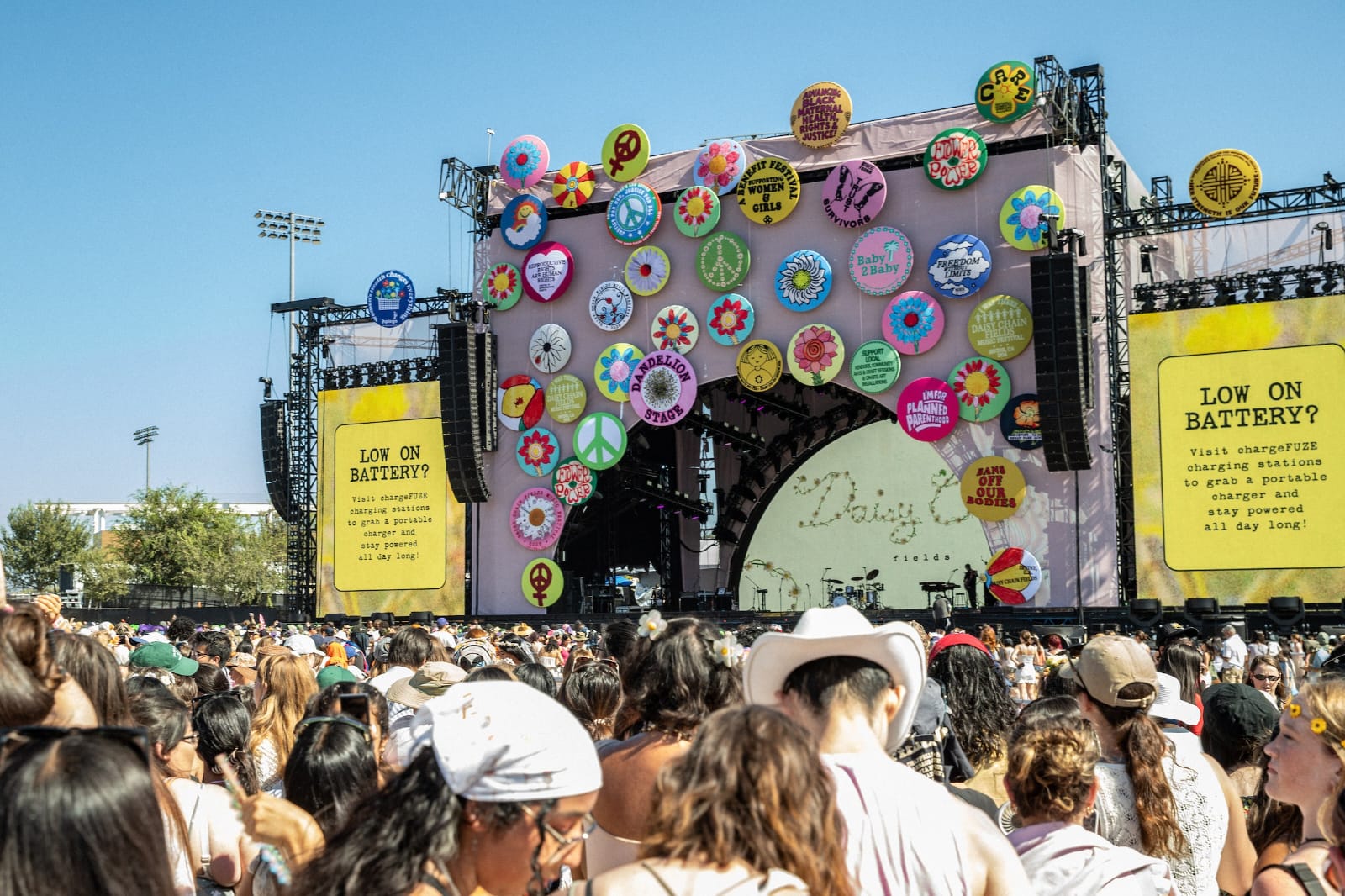
That said, it wasn't a perfectly smooth day. The heat was intense enough that some fans did struggle, and medical teams treated several people for heat-related issues. But what stood out was how the festival responded—quickly, transparently, and without ever losing control of the situation. Artists themselves kept reminding fans to hydrate between songs, turning it into a shared responsibility rather than just an organizer's job. It wasn't that nothing went wrong. It's that when something did, the response was fast enough that it never spiraled into a bigger problem.
One detail that made the whole event even more meaningful: every single artist on the lineup performed for free. That choice wasn't just symbolic—it directly shaped how much money the festival was able to raise.
The Impact: How Much It Raised and Where the Money Went
By the end of the night, Daisy Chain Fields hadn't just delivered a great show—it had raised $20 million for women's causes, and the way that number came together says a lot about how the festival was built. Corporate sponsors like Depop, Etsy, Taco Bell, and Verizon covered the festival's operational costs—everything from staging to production—which meant that 100% of the net ticket proceeds could go directly to the cause instead of being eaten up by overhead. Combined with sponsorships and other donations, that added up to $10 million, a figure Olivia announced at a press conference the day before the festival even began.
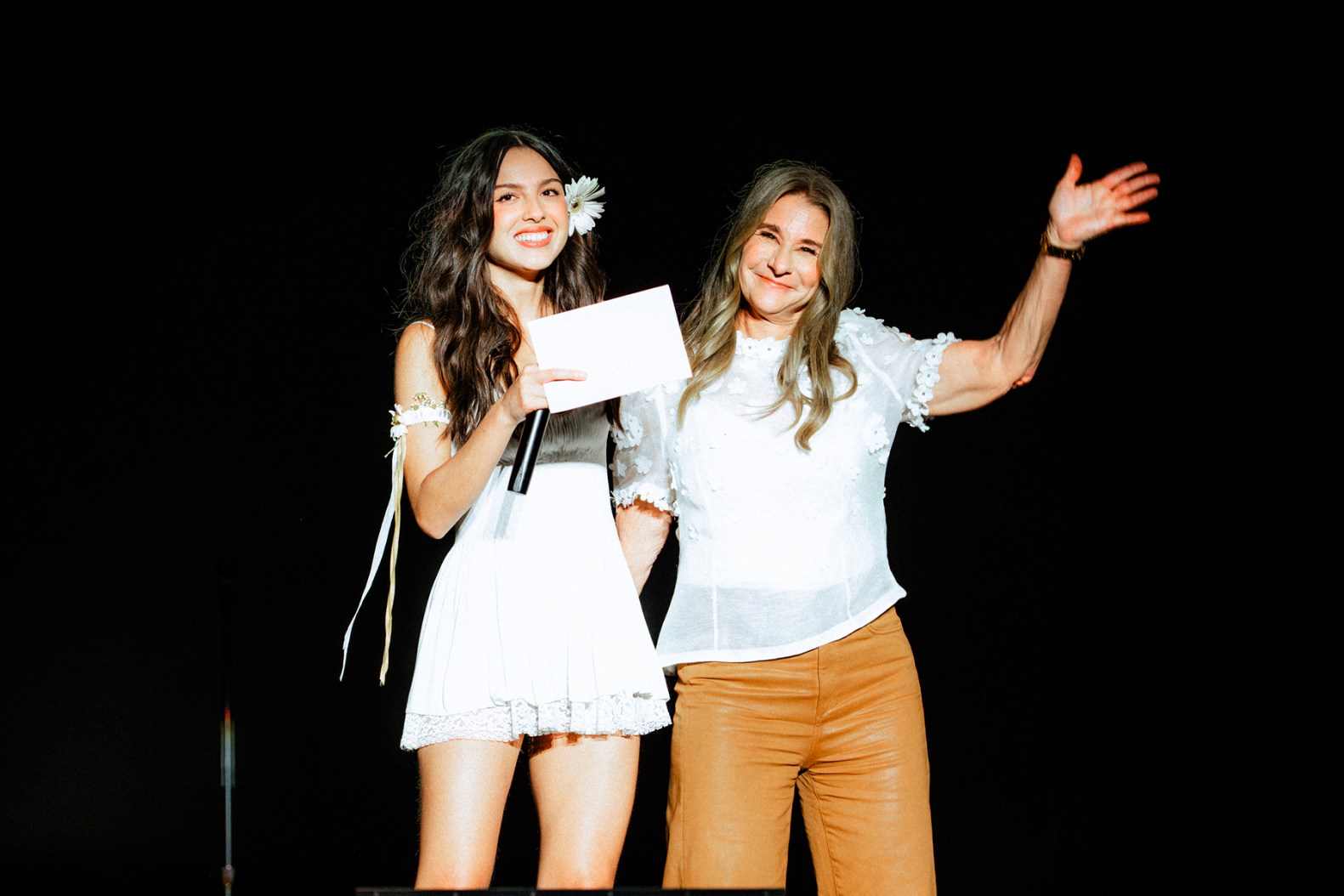
Then, during her headlining set, she brought out philanthropist Melinda French Gates, who announced she would match that $10 million dollar-for-dollar through her organization Pivotal Ventures—doubling the total to $20 million on the spot. The money is going toward ten nonprofit partners, all focused on the health and well-being of women and girls. Organizations like Baby2Baby and the National Women's Law Center were among the beneficiaries, and throughout the day, representatives from these nonprofits actually took the stage themselves to introduce several of the performing artists. It wasn't treated as a side detail tacked onto a concert—the charitable mission was woven into the structure of the entire event, from who introduced whom to how the day was paced. And the fact that every artist performed for free meant even more of the festival's revenue could flow toward its actual purpose, rather than being spent on performance fees.
Given all of this, it's no surprise that by the end of the night, Olivia confirmed Daisy Chain Fields will return for a second year. What started as a one-time experiment now looks like it's shaping up to be an annual tradition—one that, much like Lilith Fair before it, could end up defining a whole era of women in music.
A New Chapter for Women in Music
Nearly thirty years after Lilith Fair proved the industry wrong about what an all-female festival could achieve, Olivia Rodrigo has picked up that legacy and made it her own. Daisy Chain Fields wasn't just a tribute to what came before—it was proof that the same doubts people once had about women headlining a festival together are still being disproven today, just as decisively. Between the sold-out crowd, the $20 million raised, and a lineup that ranged from punk legends to pop's biggest new names, the festival did exactly what it set out to do: turn music into real, tangible support for women and girls.
With a second edition already confirmed, Daisy Chain Fields looks less like a one-off experiment and more like the start of something lasting. If year one is any indication, this might just be the festival that defines what women in music look like for the rest of the decade.