Today, the nation bids farewell to a true gem: Dharmendra, whose magnetic presence and radiant smile lit up the silver screen. Revered as one of Indian cinema’s most handsome and accomplished stars, he graced over 300 films, leaving behind a legacy of unforgettable hits. Across the country, hearts ache as old classics flicker on screens, celebrating the beloved 'Greek god of Hindi cinema' in all his glory.
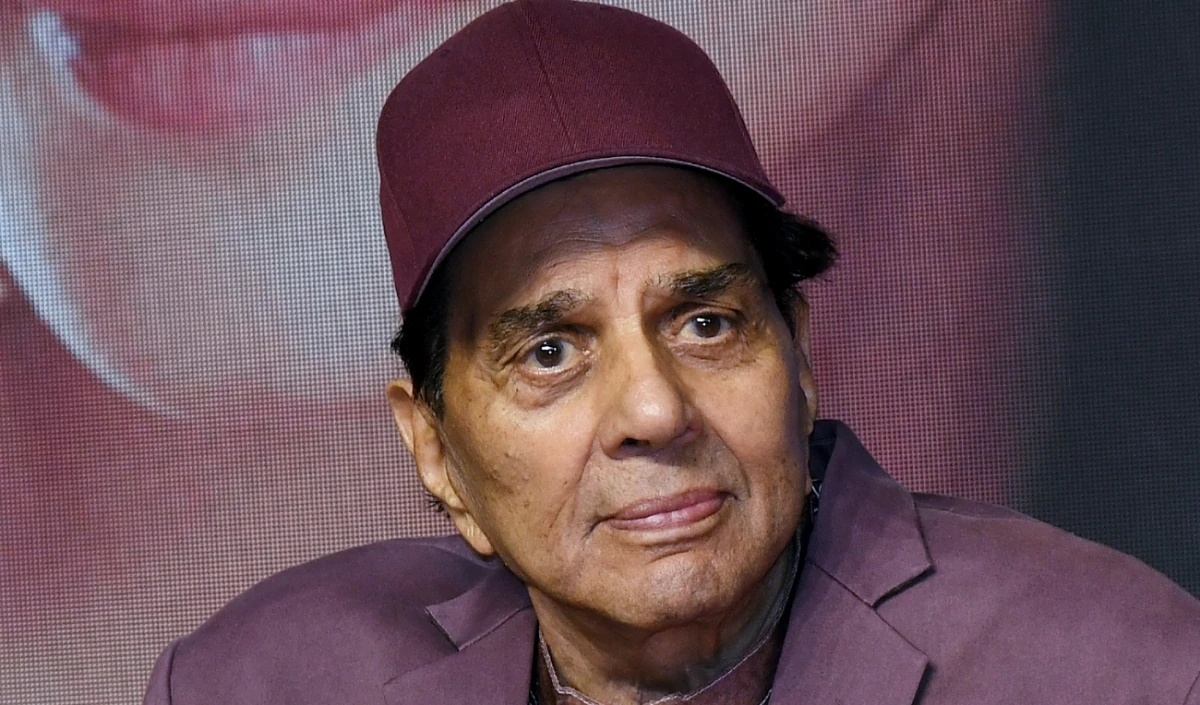
Let us honour his memory by journeying through his most iconic roles, each one a doorway into the enduring legacy he leaves behind.
Dillagi (1978)
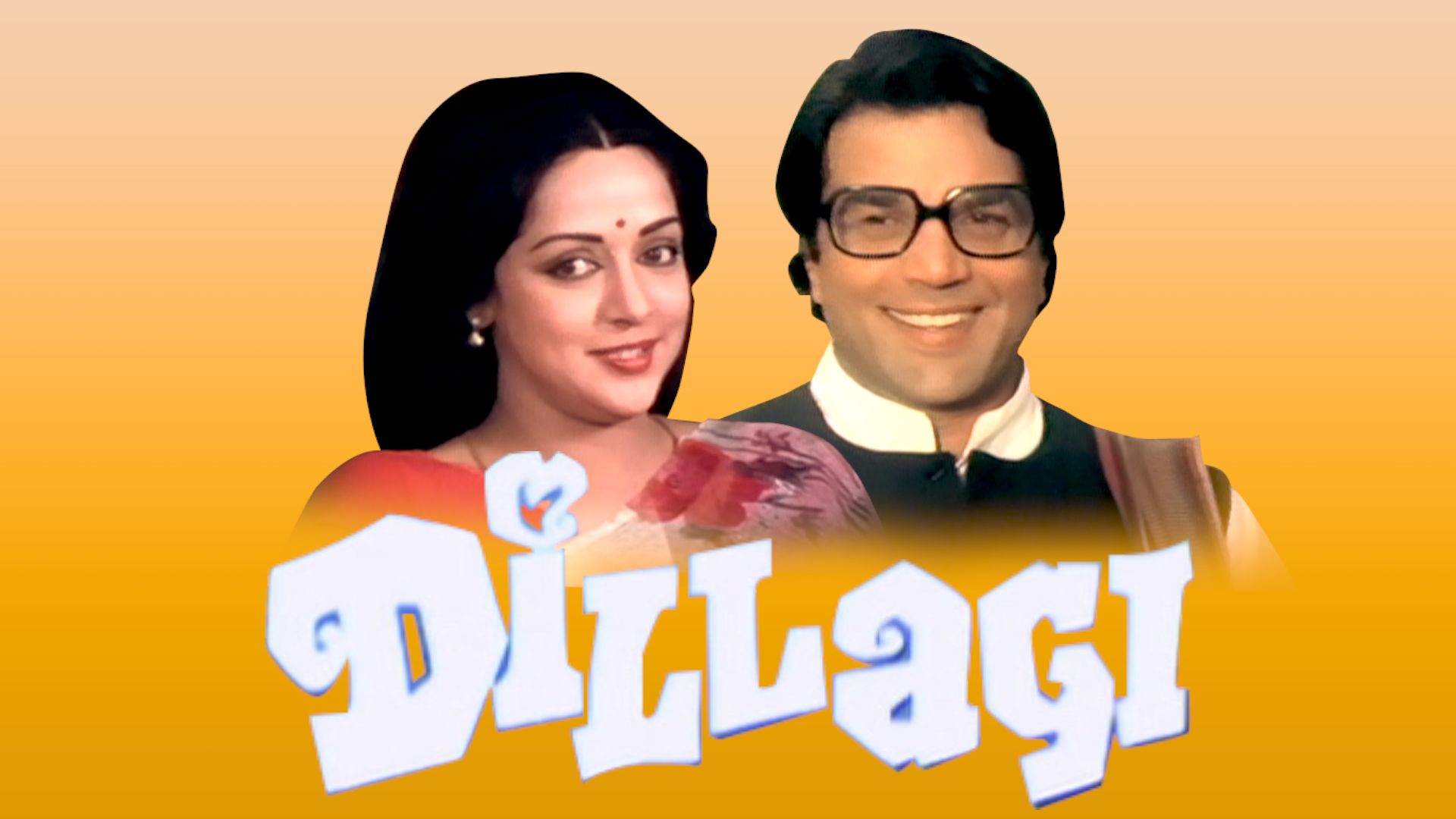
Paired opposite Hema Malini, this rom-com was directed by Basu Chatterjee. The story revolved around the character Swarnakamal and the mild-mannered Phoolrenu (Hema Malini). Swarnakamal, a new Sanskrit professor at the university, falls in love with Phoolrenu the moment he sees her. But Phoolrenu has a conservative mindset and despises Sanskrit, as she thinks the language used in the Sanskrit play Abhigyan Shakuntalam (written by Kalidasa) is obscene. The movie follows the classic idea of a boy winning over a girl, from initial detest to eventual love.
Dharmendra once again proves himself the ultimate romantic hero, infusing the film with playful wit and infectious energy. His spirited pursuit and gentle composure stand in vivid contrast to Phoolrenu’s reserve, highlighting the delicate dance of opposites that makes love stories so timeless.
Yaadon Ki Baaraat (1973)
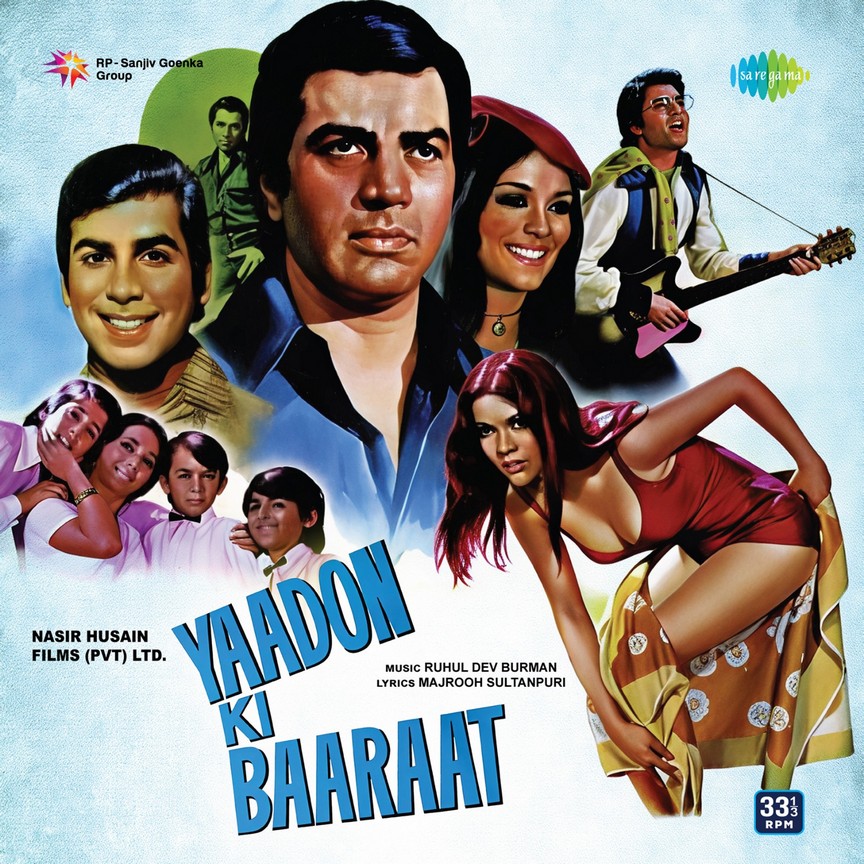
Yaadon Ki Baaraat weaves together music, action, and drama in a classic 'lost and found' tale. Three brothers—Shankar, Vijay, and Ratan—are torn apart by tragedy, only to be reunited by a haunting melody from their childhood, sung by their mother and echoing through their lives.
As Shankar, Dharmendra embodies the tough, streetwise eldest brother, his eyes burning with the fire of vengeance. Beneath the hardened exterior, his unwavering love for his siblings propels his journey, making him a powerful symbol of the 'angry young man' era. His portrayal as the fiercely protective brother lingers long after the credits roll.
Sholay (1975)
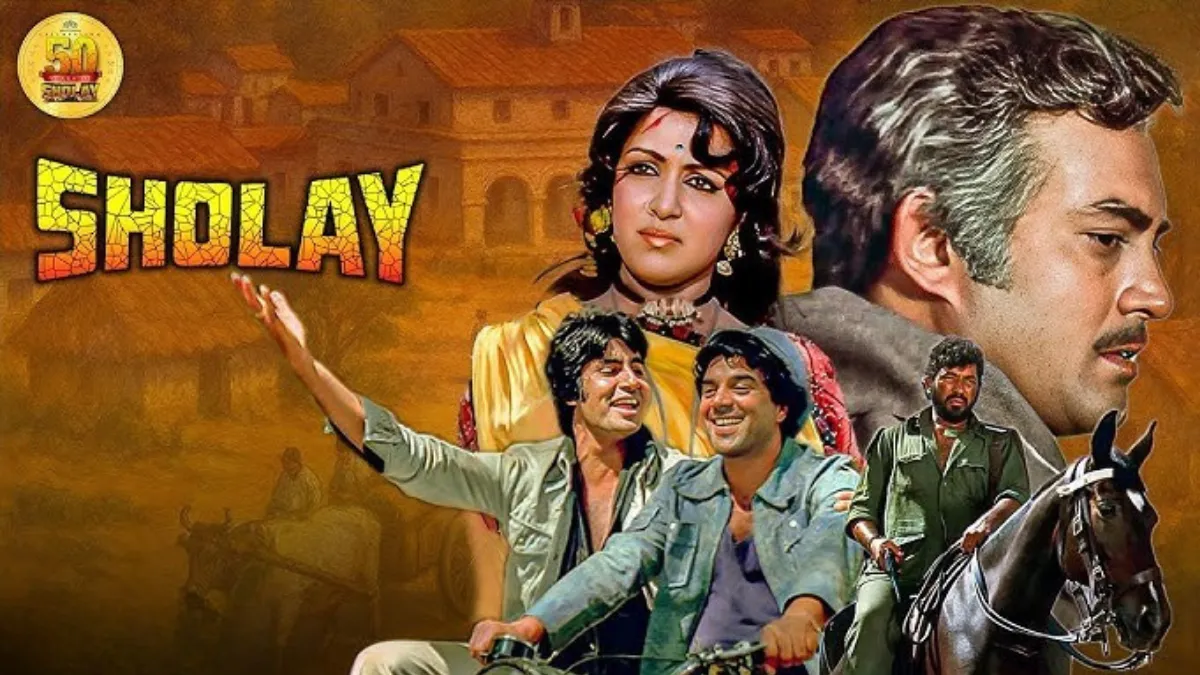
Sholay was a magnum opus of 20th-century Bollywood. It is based on two friends, Amitabh Bachchan as Jai and Dharmendra as Veeru, who are hired by a retired police officer to capture the wanted dacoit Gabbar. As the story unfolds, clashes between Gabbar and Jai–Veeru occur several times, culminating in the death of Jai — a sacrifice for his friend Veeru, who later defeats Gabbar and hands him over to the retired officer.
Though Sholay is packed with action, it is the unbreakable bond between Jai and Veeru that truly defines it. As Veeru, Dharmendra radiates warmth, mischief, and loyalty, crafting a friendship that feels both real and legendary. His dynamic performance ensures Veeru remains etched in the hearts of generations.
Satyakam (1969)
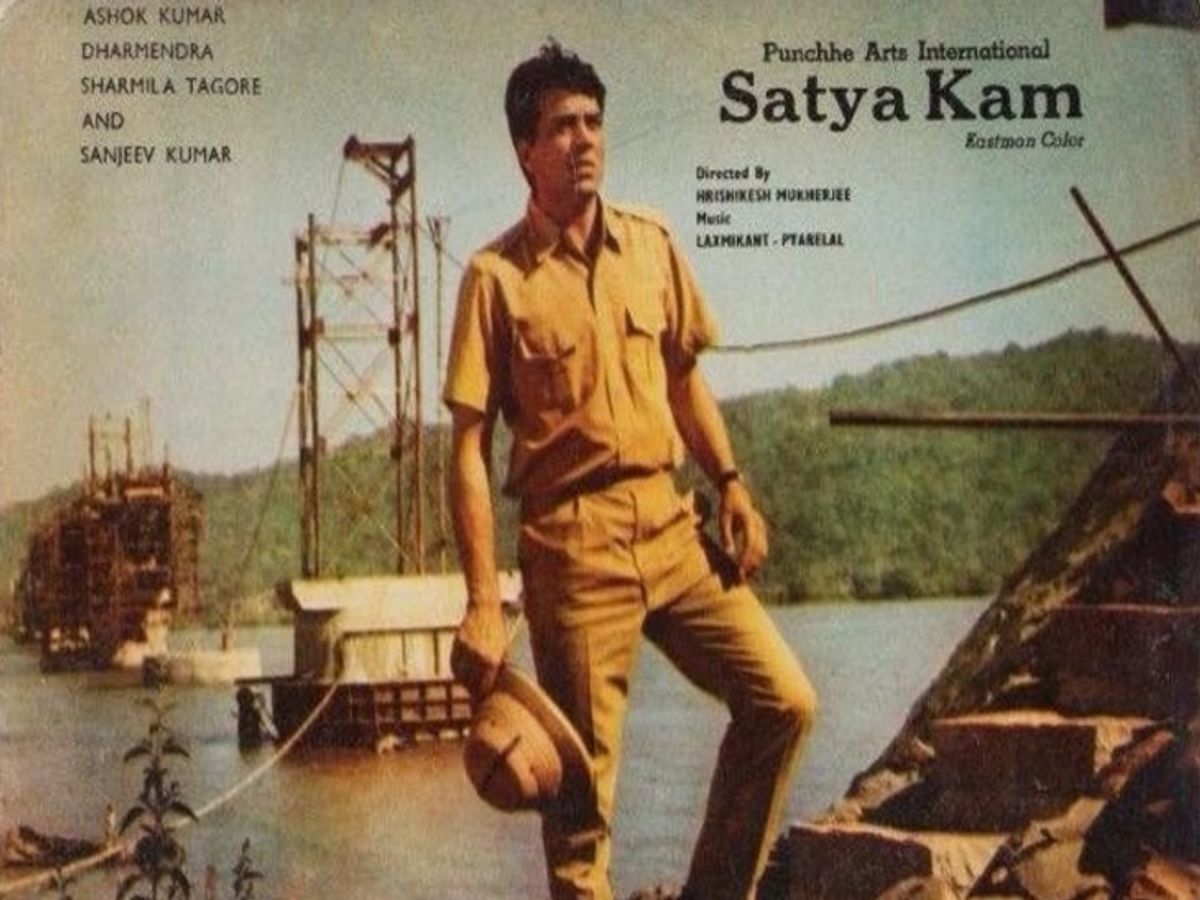
Satyakam is a profound meditation on the price of integrity, tracing the journey of a man who stands unyielding in his ideals. Dharmendra’s portrayal of Satyakam is a study in quiet strength, his devotion to truth both a beacon and a cross to bear. The film lays bare the loneliness and nobility that come with unwavering conviction.
Dharmendra’s performance is a masterclass in subtlety, his quiet intensity drawing viewers into Satyakam’s inner world. Every glance, every pause, every faint smile speaks of a man burdened by principle. Here, he becomes the moral heart of the story—a tragic idealist whose courage is as moving as it is isolating. This role is a testament to his ability to bring gravitas and depth to serious cinema.
Chupke Chupke (1975)
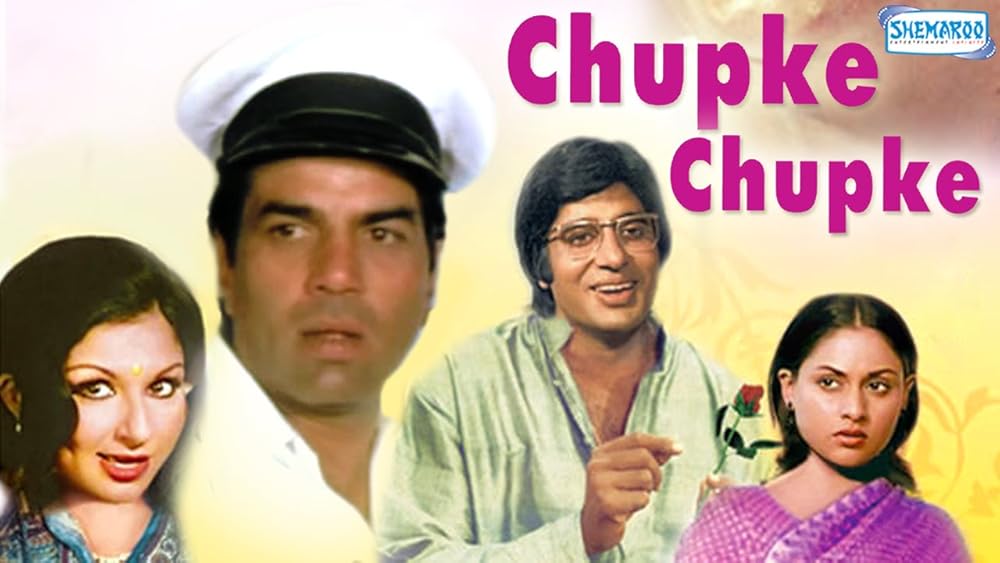
Chupke Chupke is a delightful comedy spun from clever misunderstandings, playful impersonations, and gentle rivalries. Dharmendra shines as the mischievous mastermind, orchestrating an elaborate prank with wit, disguise, and impeccable timing. The film sparkles with verbal humour and cultural quirks, leaving a trail of laughter that lingers well beyond the final scene.
Here, Dharmendra is the embodiment of comic brilliance—effortless, radiant, and irresistibly likeable. His timing is flawless, gliding from deadpan humour to playful mischief with the grace of a true artist. This role not only highlights his sparkling chemistry with co-stars but also his remarkable versatility, seamlessly shifting from gravitas to lighthearted charm. It is yet another reason audiences cherished him.
If you are new to his films, begin with Sholay and Satyakam. These masterpieces capture the full spectrum of Dharmendra’s talent, from infectious humour to profound depth—a fitting homage to a true legend.