
In a period where our lives are surrounded by options to spend our time leisurely, whether through scrolling reels, watching movies or playing video games, many of us still choose to explore the world of literature. This enduring activity, once the sole source of entertainment centuries ago and sustained even today, is a testimony to its timelessness. What makes this possible is not just a good plot and characters but also the lines from these books that transcend time and resonate with contemporary readers. These quotes do not belong to any age or era but to the human psyche and emotions, which remain eternal and unchanged even after centuries have passed. Here are the five quotes from literature that still resonate with and define our current state and behaviour.
1. “War is peace; freedom is slavery; ignorance is strength.”
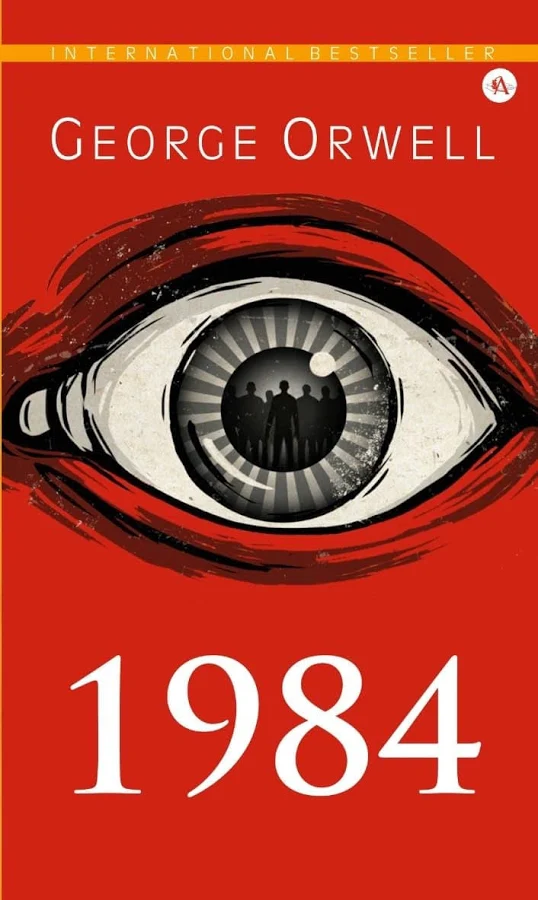
George Orwell wrote this powerful line in his dystopian novel 1984, published in 1949. It reflects his observation of the totalitarian government of the time, which resorts to this dichotomous stance to justify its actions of ravaging states and restricting public freedom. It has since been used in many political protests and acts of defiance against authorities that resort to this kind of doublespeak to exploit people and undermine public rights and freedoms.
2. “All animals are equal, but some animals are more equal.”
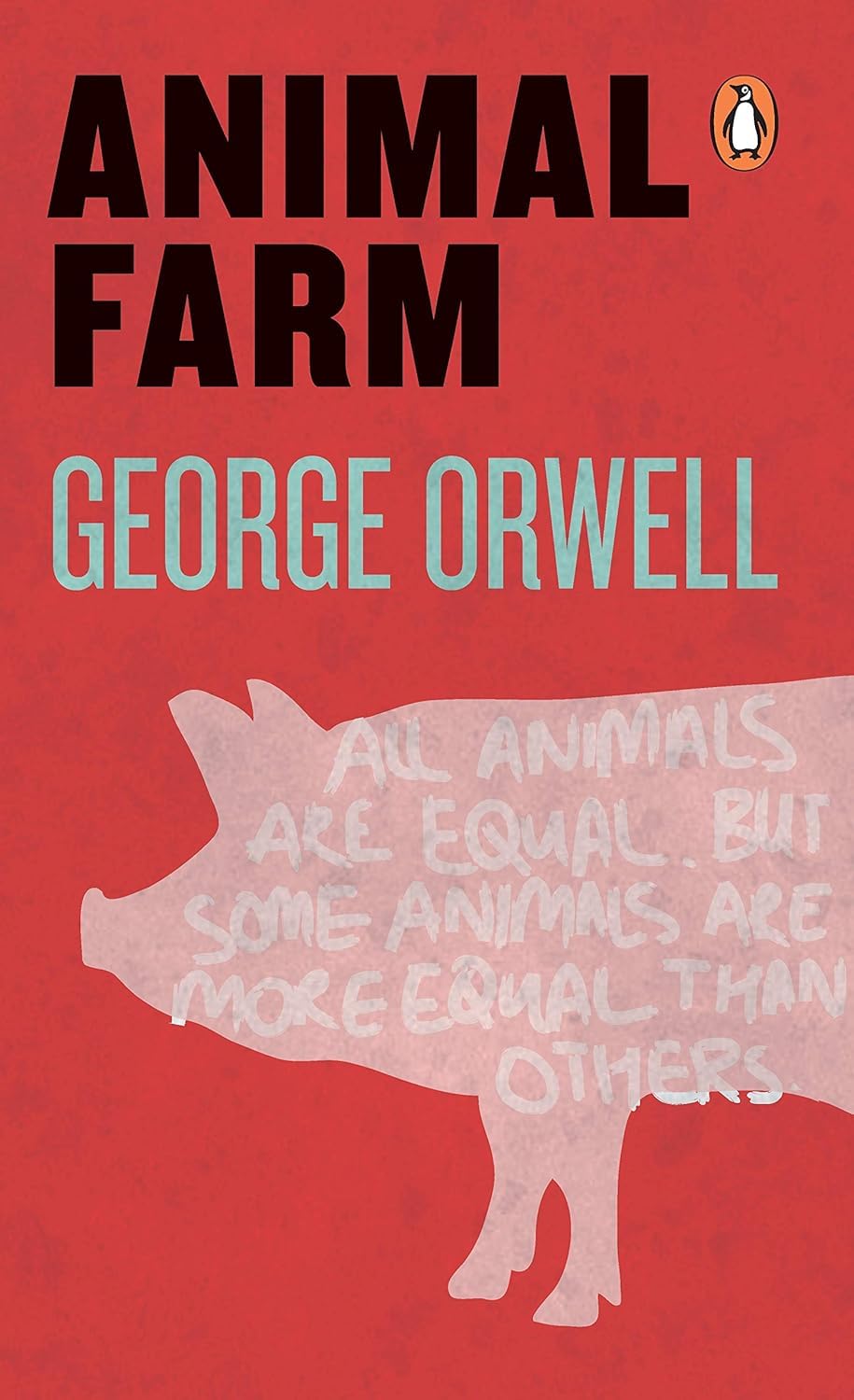
In his 1945 novel Animal Farm, George Orwell used this memorable line to criticise Stalin's regime and the Soviet Union's governance ideals, which were grounded in unfairness behind a facade of equality. Even today, when the majority of countries are democracies and believe in maintaining the principle of equality, we often encounter disparities in how different individuals are treated, where rules are moulded to favour the powerful while the weak and poor suffer in the process.
3. “It was the best of times, it was the worst of times, it was the age of wisdom, it was the age of foolishness.”
Charles Dickens famously opened his 1859 novel A Tale of Two Cities with this striking line. This sentence contains a series of contradictions that showcase the reality of that era, where elites lived opulent and comfortable lives while the poor suffered. Though times have changed, the situation remains similar, as the definition of life for the rich still seems much more lavish and comfortable than that of the poor, hard-working and suffering sections of society.
4. “All happy families are alike; each unhappy family is unhappy in its own way.”
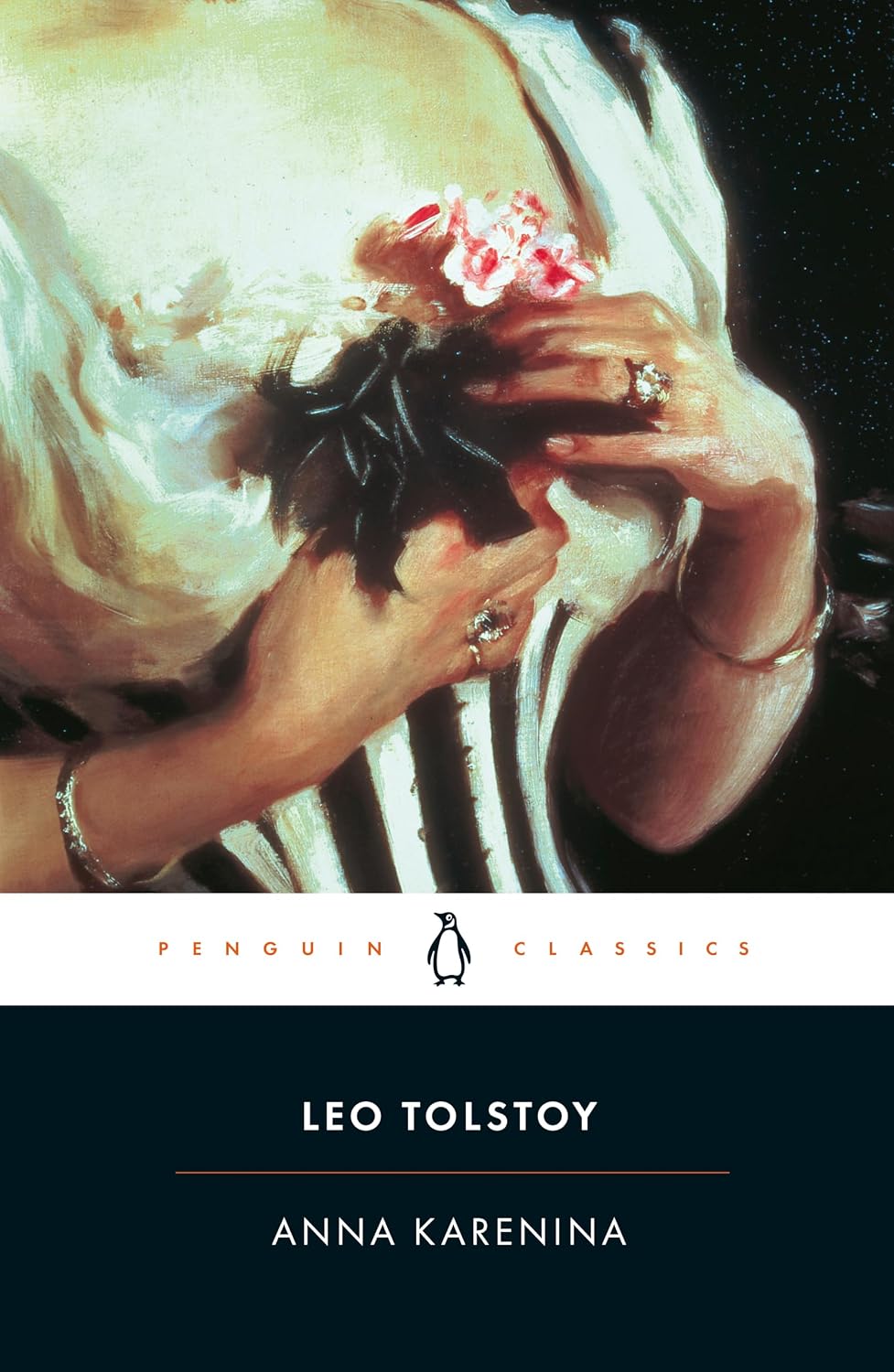
Leo Tolstoy's Anna Karenina, published in 1878, begins with this famous observation about family life. This quote reflects the writer's sharp observation about family dynamics and the several factors that contribute to a family's happiness, including love, money, health and values. If even one of these elements is missing, it can lead to unhappiness that varies from family to family. This still sounds relevant to contemporary society, where every family goes through its own problems caused by different factors.
5. “To be, or not to be, that is the question.”
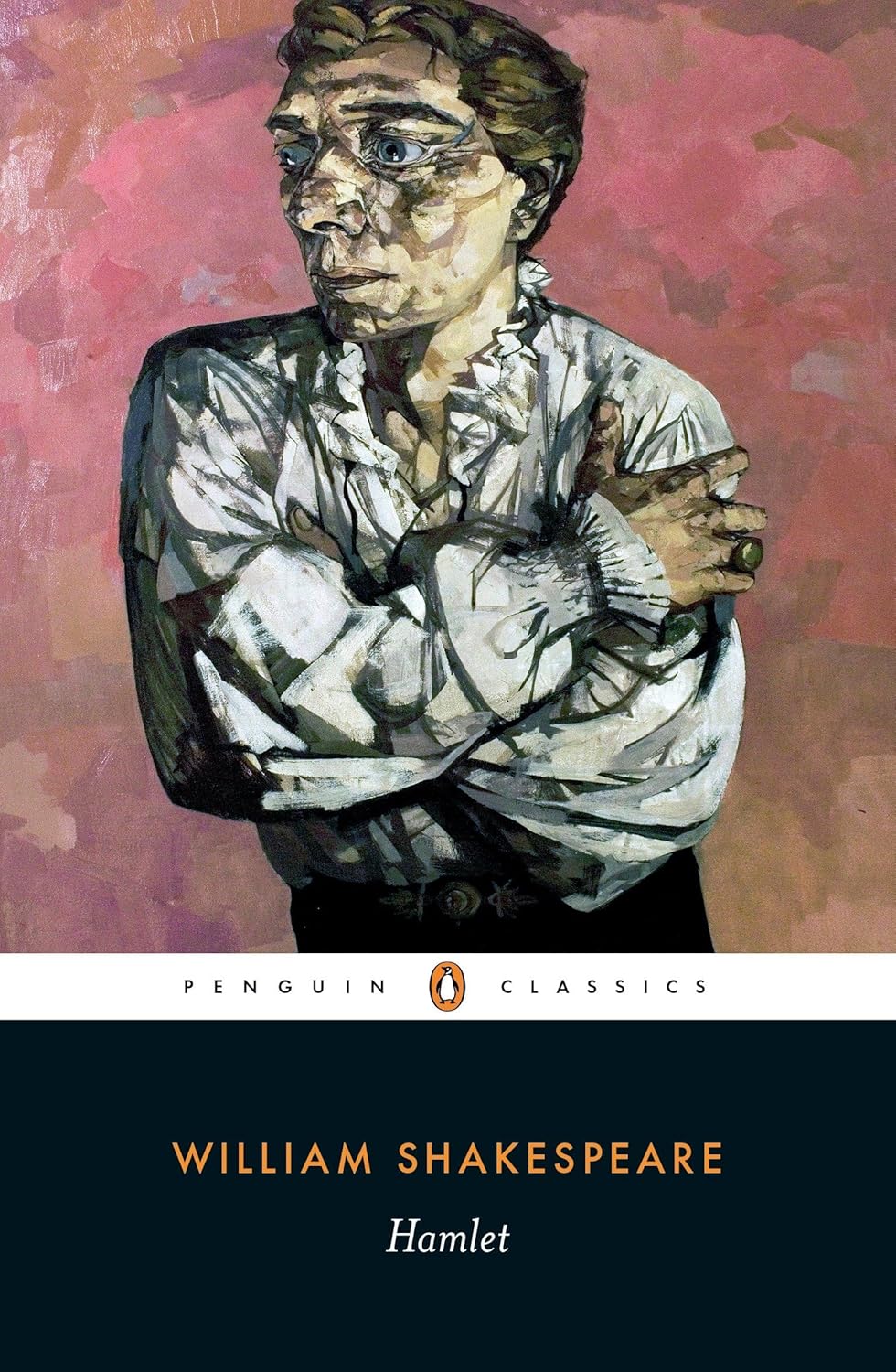
One of William Shakespeare's most famous lines appears in his play Hamlet, written around 1600–1601. It delves into the human psyche and the ambivalence people experience whenever they encounter a situation that requires a difficult decision, as demonstrated by Prince Hamlet. Not much has changed over the centuries, as human behaviour still resonates with Hamlet's plight when people find themselves in similar situations due to overthinking and uncertainty.
Final Thought
Where time has changed, political ideals have shifted and technology has advanced, these quotes are still able to cut through all the alterations and remain relevant in contemporary political discourse, human psychology and other aspects of life that endure all the upheaval. They anchor us to the emotions that defy all the materialistic and structural changes, keeping us connected with the great figures of their time whose observations become a language to articulate our feelings regardless of the era.