
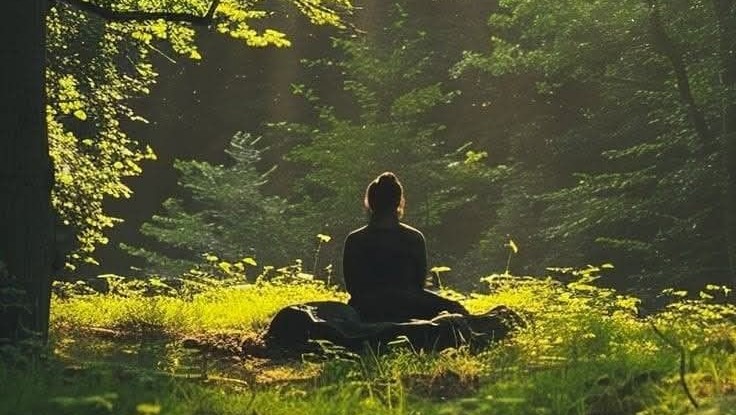
Living in a city often means crowded streets, long working hours, and constant digital distractions. While urban areas offer convenience and opportunities, living in a city also leads to stress, mental fatigue, and a sense of disconnection from nature. Over time, this disconnect can impact emotional well-being and increase anxiety or burnout.
Ecotherapy, also known as nature-based therapy, provides a straightforward yet effective approach to restoring balance. This concept is grounded in the idea that humans have a natural bond with the environment. Spending even a little time in nature can calm the nervous system, lift mood, and lower stress levels.
For those with packed schedules, ecotherapy doesn't require trekking through forests or travelling to remote areas. Everyday moments with nature can have a real impact on mental health. By adding simple practices into daily life, city residents can reconnect with nature and support their emotional well-being.
What Is Ecotherapy?
Ecotherapy refers to therapeutic practices that involve engaging with the natural environment to boost mental health. This can include activities like walking in parks, gardening, or simply enjoying quiet time outdoors. The aim is to strengthen the relationship between people and nature while promoting mindfulness and relaxation.

Psychologists often highlight the benefits of ecotherapy by discussing “attention restoration". Natural settings provide the brain a break from constant stimulation and allow it to recover from mental fatigue. Even brief contact with greenery, sunlight, or fresh air can refresh the mind and improve concentration.
For city dwellers, meaningful nature experiences can be found in small parks, balconies, community gardens, or even with indoor plants.
Why Urban Residents Need Nature
Urban life exposes individuals to high levels of noise, traffic, and screen time. These elements can overwhelm the brain and raise stress levels. Many city residents end the day feeling mentally drained.
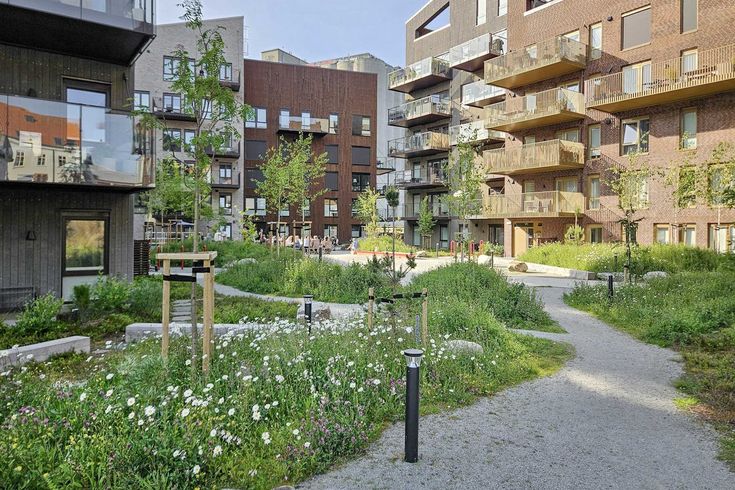
Nature acts as a strong counterbalance to this overload. Being around natural elements like trees, plants, water, and open skies helps slow down mental activity and fosters relaxation. Research in environmental psychology shows that spending just a few minutes in green spaces can enhance mood and reduce stress.
For busy professionals, students, or families in cities, embracing small nature-based habits can serve as a practical mental health strategy.
Tiny Ecotherapy Practices for Busy City Lives
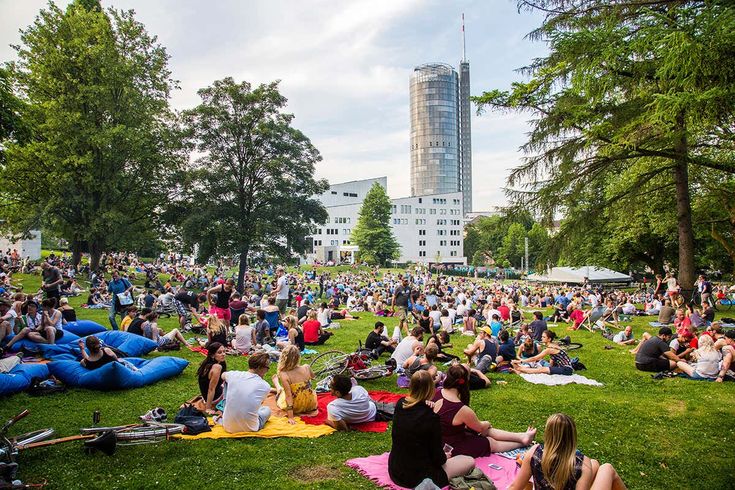
Take a 10-Minute Green Walk
A quick walk in a nearby park or along a tree-lined street can greatly lower stress. Instead of scrolling through your phone, pay attention to your surroundings—the rustling leaves, the sounds of birds, or the warmth of the sun.
Bring Plants Into Your Space
Indoor plants can turn homes and workplaces into soothing spaces. Caring for those creates a small daily ritual that encourages mindfulness and relaxation.
Practice Window Gazing
If outdoor spaces are hard to access, spend a few minutes looking at the sky, trees, or clouds from your window or balcony. This short break can help slow racing thoughts and provide mental clarity.
Try Mindful Nature Breaks
During work hours, step outside for five minutes and focus on the natural elements around you. Noticing the breeze or the sunlight filtering through trees can help refresh your attention and ease mental fatigue.
Schedule a Weekly Park Visit
Urban parks serve as small havens within the city. Visiting one weekly, even for a short time, can offer a refreshing break from your routine and improve emotional well-being.
Spend Time Near Water
Natural water sources like lakes, rivers, or fountains have calming psychological effects. The sound of flowing water often reduces anxiety and encourages relaxation.
Making Ecotherapy a Daily Habit
The key to effective ecotherapy lies in consistency, not length. Many believe they need lengthy outdoor retreats to feel better, but research suggests that small, regular interactions with nature can be equally beneficial.

Urban residents can weave ecotherapy into their daily lives by linking nature-based moments to existing habits. A brief morning walk, a lunch break outdoors, or a quiet moment with plants in the evening can help cultivate a deeper sense of calm over time.
Takeaway
In fast-paced urban settings, reconnecting with nature might feel challenging, but it's more attainable than many realise. Ecotherapy demonstrates that even small encounters with the natural world can positively influence mental health.
By practising simple nature habits, whether it’s walking in a park, caring for plants, or taking mindful outdoor breaks, city dwellers can find moments of peace in their busy lives. Over time, these small actions can help restore balance, enhance mood, and strengthen the tie between people and the natural environment.
Image Credits: Pinterest