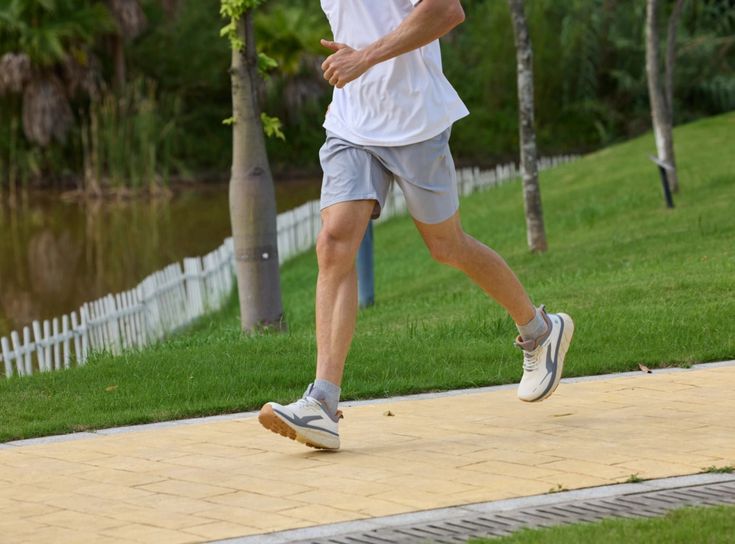
Running has taken off in recent years, and people are lacing up for all sorts of endeavours, from gentle strolls to full-blown marathons. While consistency and determination are key to becoming a better runner, what ultimately dictates whether your running experience is a joy or an agony? Your shoes.
The right running shoes can enhance your comfort, boost your performance, and prevent injury. But with an overwhelming array of options claiming to be the most comfortable, most stable, or quickest, navigating the running shoe world can seem daunting. The truth is, the best running shoe isn’t necessarily the one that breaks the bank or incorporates the latest technology – it’s the one that's right for you.
Set the Running Objectives
Before even venturing to a store or beginning your online browsing, ask yourself: How do you intend to use your shoes? Are you training for a marathon, casually jogging three times a week, sticking to walking routes, or exploring the wilderness on weekends? Running shoes are built with specific purposes in mind. Road-running shoes are engineered for soft surfaces like pavement and treadmills, with cushioning and flexibility to spare. Trail-running shoes provide extra traction and protection over uneven surfaces. Other shoes are designed with speed in mind, or for long-distance comfort and durability.
Prioritise Comfort
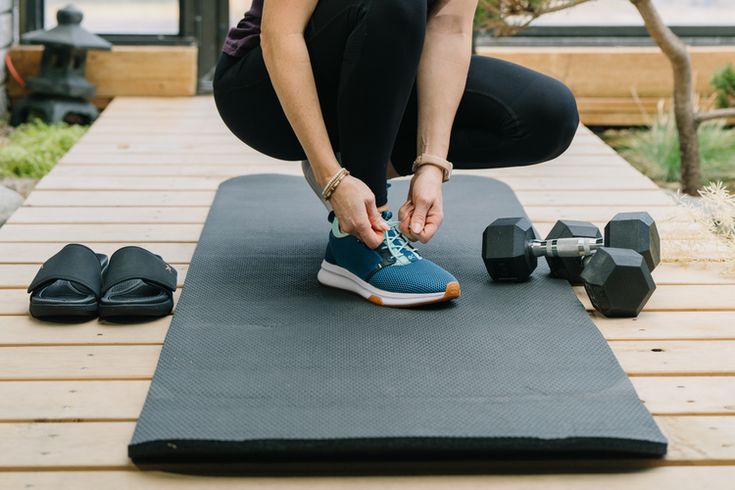
One of the biggest blunders runners make when buying shoes is choosing based on aesthetics or brand loyalty over a proper fit. What feels like the ideal shoe for one runner could be uncomfortable for another. When trying on running shoes, ensure you have enough room in the toe box. As a general rule of thumb, experts recommend a thumb's width of space between your longest toe and the front of the shoe, which accommodates foot swelling while running. Also, your shoe should not slip at the heel, and the midfoot should feel secure. Your toes, however, shouldn't feel cramped. If a running shoe isn't comfortable when you buy it, don't expect it to feel miraculously better after a few weeks of running.
Consider Your Foot Type
Everyone has their own natural gait when they run; some people have neutral foot movement, others tend to overpronate (feet rolling excessively inward with each stride), and some tend to supinate (feet rolling outward). Many running stores offer gait analysis services which examine how you run and can help you select the correct running shoe. However, the most important factor to remember is comfort. Recent studies have shown that runners perform optimally when wearing shoes that feel natural and comfortable, as opposed to those designated by biomechanical classification.
Don't Get Trapped by Marketing Language

These days, running shoes are equipped with more technical terminology than a high-tech laboratory. We hear terms like carbon plating, energy-return foam, rocker geometry, and dynamic cushioning systems. All of these technologies can offer distinct advantages, but it is important to remember that not all these advancements benefit every runner. Carbon plated running shoes, for example, are becoming increasingly common among elite runners for their performance enhancement. A slower runner or a beginner, however, may benefit more from a traditional road shoe that provides comfort and support. Always consider what feels right and ignore the buzzwords when selecting your next pair of shoes.
Importance of Cushioning
Some people love a very soft feel underfoot from their shoes. They require a shoe with enough cushioning to provide that springy sensation with every stride. Others are less sensitive to what they feel underfoot and may prefer a shoe with a bit less cushioning, which often translates into a firmer feel and more feedback from the ground. The degree of cushioning needed is very personal and depends on many factors. Some of the factors that play a role in determining this are your body weight, your running technique, how far you're running and what your personal preferences are. If you are going for long distances, extra cushioning may feel desirable to help prevent aches and pains. Conversely, a runner aiming to be fast will want a lighter shoe with a harder surface. As with many other aspects of running, there is no correct answer when it comes to cushioning, and ultimately comfort is king.
Pay Attention to Width

Many runners tend to pay attention to the length of their shoes and rarely to the width. However, an incorrectly sized running shoe can lead to various problems, including pressure points, blisters and numbness. If your shoes feel tight around the sides, you probably need wider running shoes. Conversely, if your foot slides around too much inside your shoe, it might be too wide. Today, many brands manufacture their shoes in a variety of different widths, and if you've previously had problems finding comfortable running shoes, a lack of width in the shoes might have been the culprit.
Choose The Best Time to Shop
Although it might seem obvious, the simplest tip I can offer to assist you in finding the right running shoes is to buy them later in the day. Our feet tend to expand as the day goes on, and this effect is amplified further if you spend time on your feet, walk or exercise during the day. Trying on running shoes in the evening or the afternoon will ensure a more accurate reading of how your shoes will feel on a run. Furthermore, you may want to wear the socks you usually run with while trying shoes on.