There is a specific kind of tiredness that comes not from doing too much but from looking at a screen for too long. It is not sleep deprivation exactly. It is closer to overstimulation, the feeling of having absorbed far more than you were ever meant to process in a single day. If you have felt it recently, you are not alone. And if you have also felt an inexplicable pull toward something slower, something made by hand, or something that does not require Wi-Fi, that makes sense too.
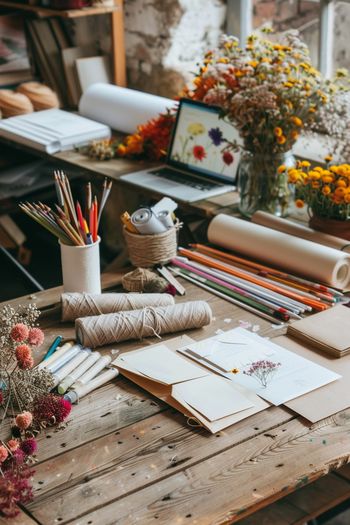
Across the country and beyond it, a shift is taking place. People are picking up paintbrushes for the first time since school. They are loading film into cameras their parents once owned. They are kneading bread dough on Sunday afternoons and learning to knit from YouTube tutorials, only to close the laptop and actually knit. Bookshops are seeing steadier foot traffic. Pottery studios have waitlists. Journal brands aimed at adults are selling out. None of this is accidental.
What the Hands Know That the Brain Forgets
Digital fatigue is real, and researchers have been tracking it for years. But what is newer, and perhaps more interesting, is the specific way people are responding to it. Rather than simply taking a break from their phones, many are filling that space with something physical, something that asks for their hands and their attention but does not send them notifications. The offline hobby has become a kind of counterweight.
Part of the appeal lies in how completely these activities demand presence. Painting, knitting, baking, gardening, or playing an instrument require a kind of focus that modern digital life rarely encourages anymore. There is no endless scrolling involved, no pressure to consume information quickly, and no expectation to react immediately. The pace is slower by design.
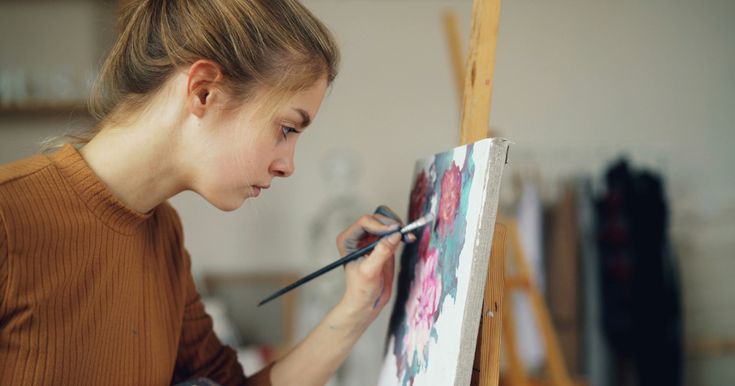
What these hobbies offer is not escape exactly, but relief from multitasking and constant visibility. In a culture that increasingly treats attention like a commodity, there is something comforting about giving it fully to something small and personal.
The slow living movement has long understood this. Attention is not just a resource to be managed. It is also a form of care. When people spend an evening learning a new chord progression, kneading bread dough, or filling pages of a journal, they are often doing more than passing time. They are creating space for themselves that feels calm, tactile, and entirely their own.
The Things a Screen Cannot Replicate
There is something in the tactile quality of these hobbies that is harder to name but easy to feel. The weight of a ceramic bowl you made yourself. Pencil marks on the margin of a paperback. Flour on a kitchen counter after an afternoon spent baking. These are experiences that digital spaces genuinely cannot replicate, no matter how sophisticated they become. And for a generation that grew up partly online, this physical dimension carries a particular charge. It is not nostalgia for a past they fully remember. It is more like curiosity about what they might have missed.
That said, not everyone is retreating from the internet in disgust. Many people found their hobbies through it, discovered film photography through Instagram, learned recipes from food creators, or joined online crafting communities before trying those hobbies themselves. The internet, at its best, still opens doors. The shift is in what happens next, in choosing to step through those doors into something slower, less mediated, and harder to turn into content.
Making Things That are not content
There is also a growing exhaustion with creating for visibility. Social media has long encouraged a particular relationship with hobbies, one where the output matters as much as the process, where a drawing becomes something to post and a meal becomes something to photograph before eating. More people are pulling back from this dynamic. They want to cook without it becoming content. They want to write in journals no one else will read. They want the things they make to belong only to them, at least for now.
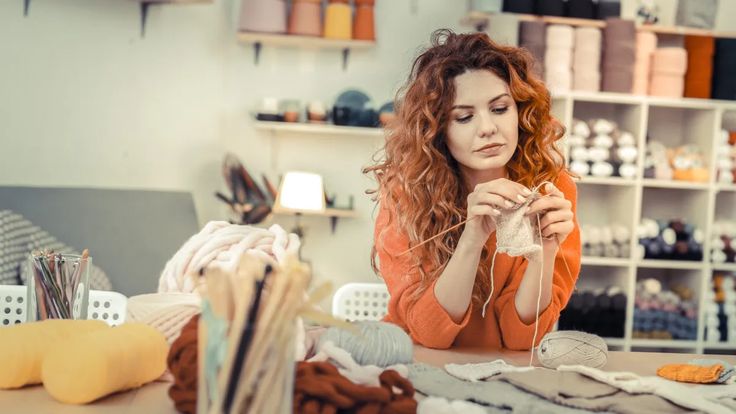
This is not a rejection of ambition. It is something more personal than that. It is about reclaiming a version of yourself that exists outside your job title, follower count, or productivity metrics. The person who bakes badly but joyfully. The person who fills a sketchbook with drawings no one ever has to see. The person who learns three chords on a guitar and plays them alone at 11 pm because, for a little while, it makes them feel like themselves again.
The Permission to Just Begin
What is revolutionary about this shift is how low the stakes are. You do not have to be good at your offline hobby. You do not have to improve quickly, document your progress, or inspire anyone. You are allowed to do it simply because it feels worthwhile. In a culture obsessed with outcomes, that is not a small thing.
So, if you have been thinking about taking a class, dusting off an old instrument, or walking into a bookshop and picking something off a shelf at random, perhaps that impulse is worth following. Not because it will make you more productive or more interesting. But because the part of you reaching for it probably knows something the rest of you has been too busy to hear.