\Walk into a department store fragrance hall and the same dozen names greet you at every counter. Walk into a niche perfumery, on the other hand, and you might not recognize a single bottle—and that, increasingly, is the point. A quiet shift has been building in the fragrance world for the better part of two decades: enthusiasts are trading household names for houses most people have never heard of, and they're paying a premium to do it.
The Designer-Niche Divide
The distinction isn't just marketing spin. Designer fragrances are typically produced by fashion houses that license their names to large beauty conglomerates, which then commission scents built for mass appeal, wide distribution, and long shelf lives at every price point from drugstore to department store. Niche houses, by contrast, tend to be founded by perfumers or small independent teams, working with smaller production runs, fewer distribution points, and a mandate to make something distinctive rather than universally likable. The result is fragrance built for a specific idea instead of the broadest possible audience.
Craft Over Convention
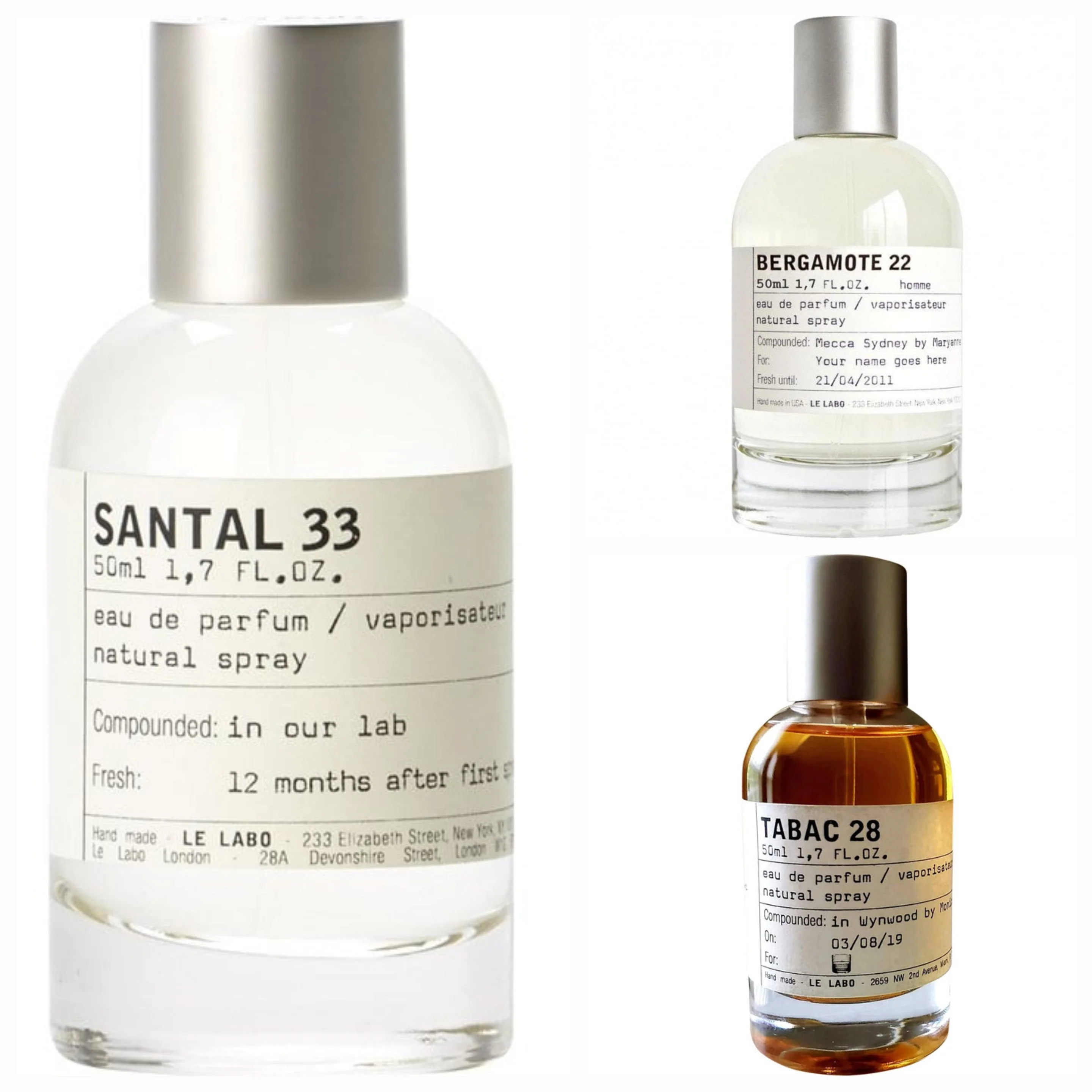
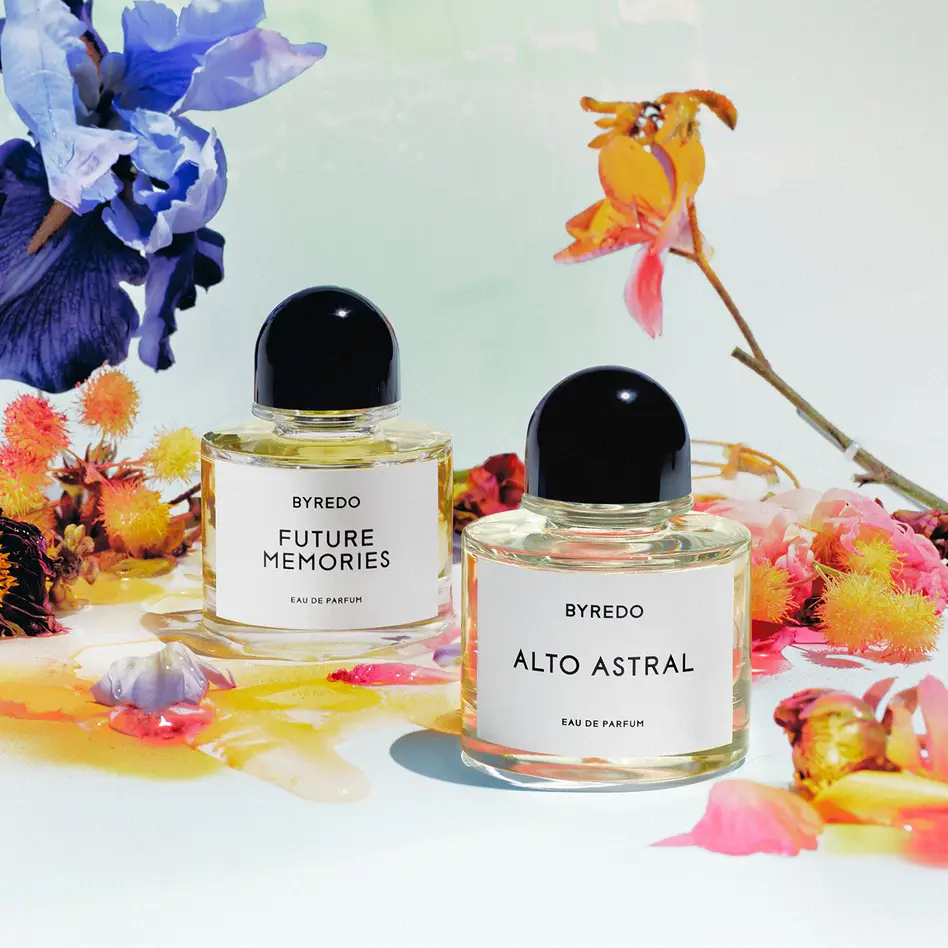
Byredo, founded by Ben Gorham in Stockholm in 2006, built its identity on this kind of specificity: minimalist Scandinavian packaging wrapped around scents that lean into raw, sometimes unexpected accords rather than crowd-pleasing florals. Le Labo, started the same year in New York by Eddie Roschi and Fabrice Penot, pushed the idea further with a deliberately unpolished, laboratory aesthetic and bottles hand-labeled at the moment of sale — a small ritual that turns a purchase into an experience. Diptyque, older than both by decades and rooted in Paris since 1961, occupies similar territory from a different angle, having built its reputation on candles and scents that read like short stories about specific places and memories rather than straightforward perfumery.
The Perfumer as Author
Few houses illustrate the appeal of authorship better than Frederic Malle, whose Editions de Parfums, launched in 2000, put individual perfumers' names on the bottle alongside his own — a radical gesture in an industry that usually keeps its noses anonymous. Maison Francis Kurkdjian, co-founded in 2009 by the perfumer of the same name and his business partner Marc Chaya, works from a similar premise: technical precision from someone who trained the craft rather than a brand built around a celebrity or a runway. Creed trades on a version of the same appeal, marketing itself as a house with roots stretching back to 1760 in London and formulas passed down "from father to son." That origin story has been contested by historians and fragrance researchers, who've found little archival evidence to support it, and the brand hasn't actually been family-run for some years — it was sold to a private equity firm in 2020 and has changed hands since. Even so, the appeal it's selling is the same one the rest of niche perfumery trades on: a sense of pedigree and craft standing apart from the industrial scale of modern designer fragrance.
Scent as a Point of View
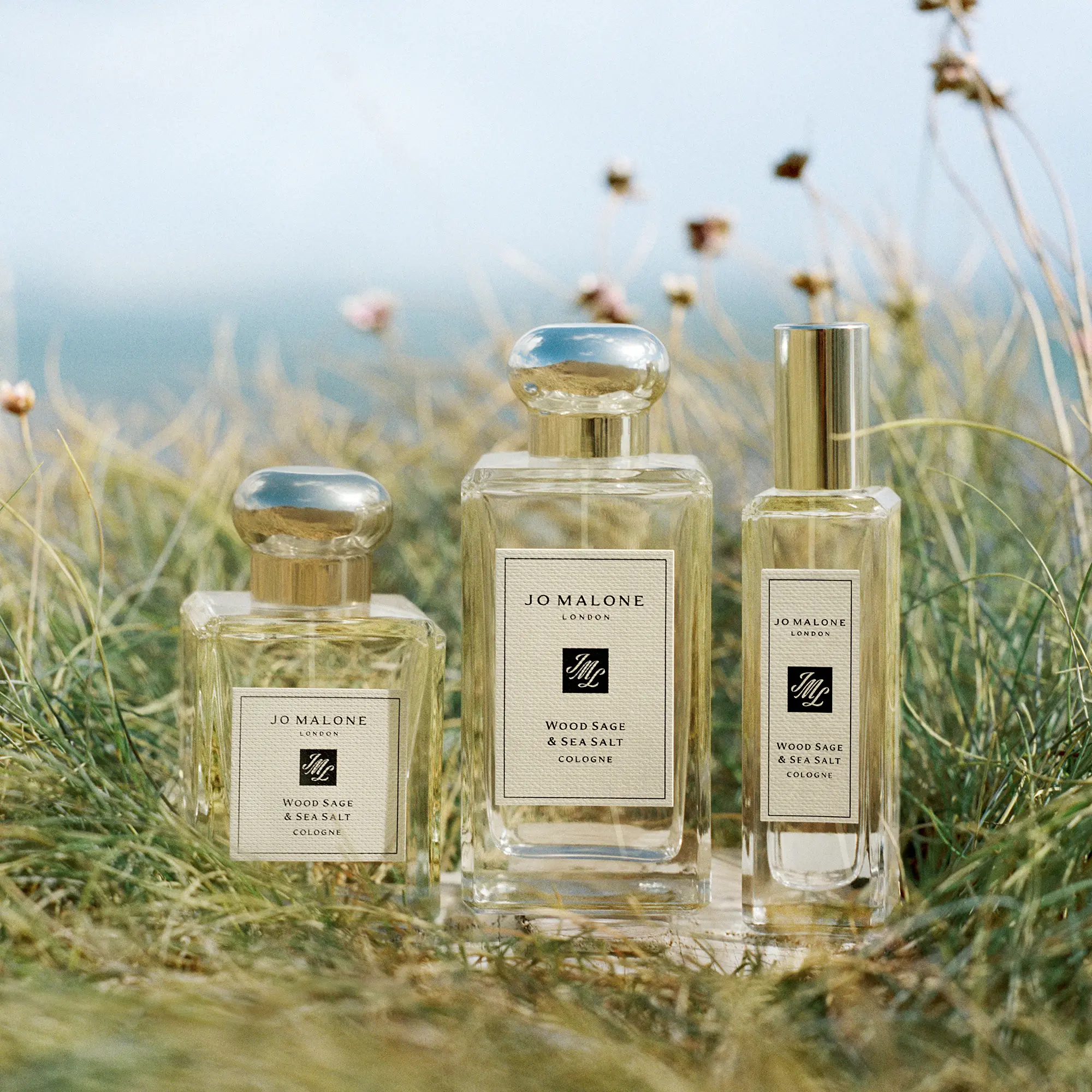
Jo Malone London reimagined how people wear fragrance altogether, popularizing the idea of layering colognes to build a personal blend rather than reaching for one fixed, unchanging scent. Penhaligon's, founded in 1870, leans into a similarly theatrical but distinctly British sense of storytelling, naming and packaging fragrances like characters in a period drama. What unites these houses, despite their different eras and aesthetics, is a refusal to be all things to all people — each asks the wearer to opt into a specific mood rather than a generic idea of "nice perfume."
Discovery in the Age of the Algorithm
None of this would matter commercially without the infrastructure that now supports it. Fragrance communities on Reddit and YouTube dissect batch variations and discontinued formulas with the intensity once reserved for wine collecting. Social platforms have turned niche discovery into content — unboxings, layering tutorials, "blind buy" reviews — that reaches people designer advertising never could. Meanwhile, luxury retailers have expanded niche counters and standalone boutiques, making formerly hard-to-find brands available in ways that would have required a trip to Paris or New York a generation ago.
The Value of Not Smelling Like Everyone Else
Underneath the craftsmanship and the storytelling is a simpler motive: people don't want to smell like the person next to them on the train. Limited production runs and higher price points aren't just gatekeeping—they're part of what makes a scent feel like a choice rather than a default. In an era when so much of what we buy is optimized for mass appeal, a fragrance that was never designed to please everyone has become its own kind of luxury.