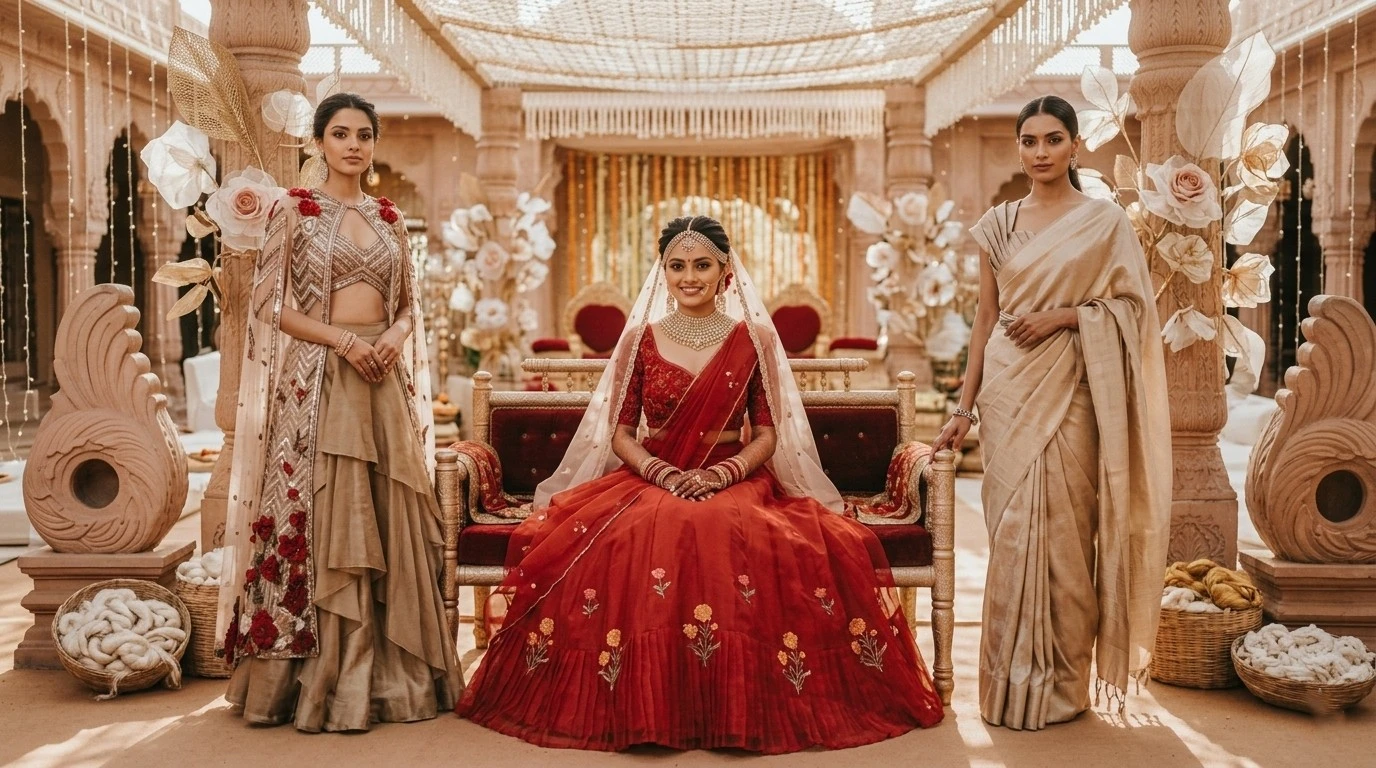
There was a time when luxury for the Indian home meant looking outward, toward European crystal or imported linens. That idea has quietly flipped. A wave of homegrown brands is proving that the richest design language for Indian interiors was here all along, in the hands of the country’s weavers, potters and metalworkers. What has changed is not the craft itself but the way it is packaged and sold, to a generation that wants its home to feel personal rather than generic.
Craft Gets a New Address
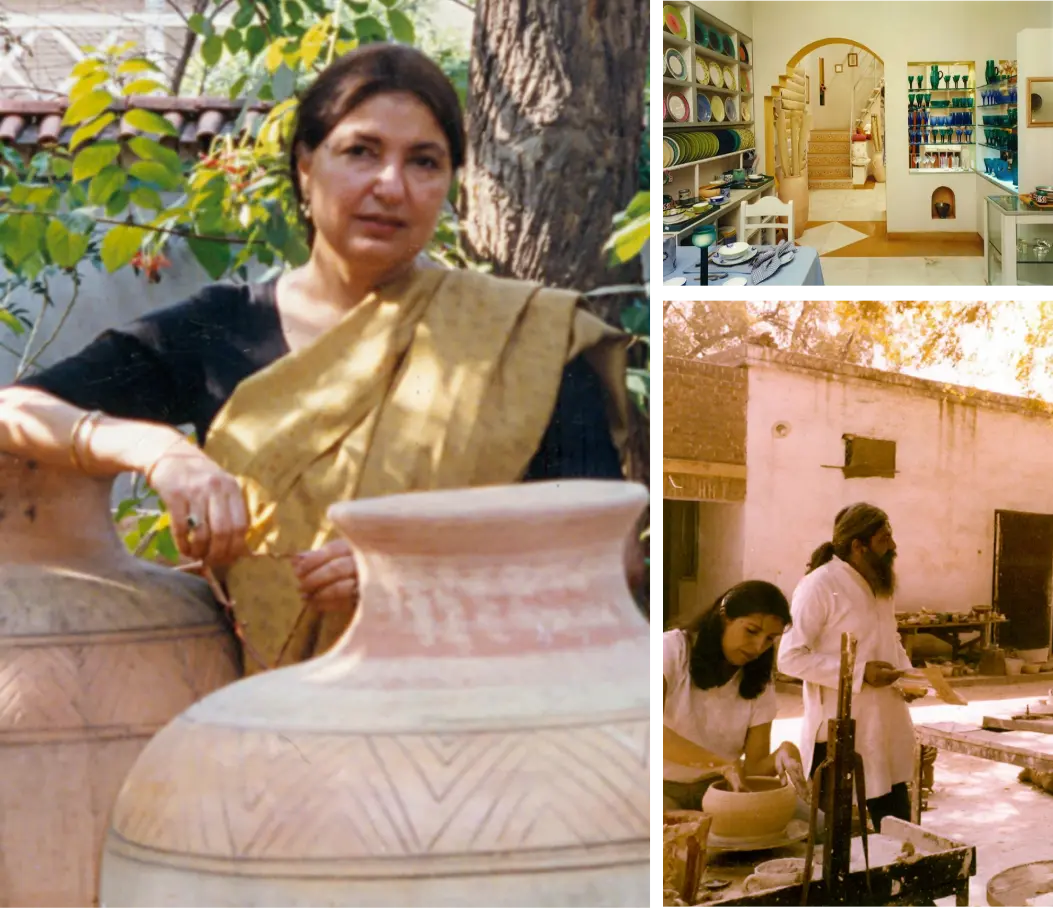
Good Earth, founded by Anita Lal in 1996, is often credited with starting this shift. What began as a single store in Mumbai’s Kemps Corner grew into a brand built on the idea that objects should carry a sense of history and place. Its collections have drawn on Mughal garden motifs, from cypress trees to Persian florals, reworked for a contemporary table or living room. The result reads as heritage without feeling like a museum piece.
From Clothing Racks to Coffee Tables
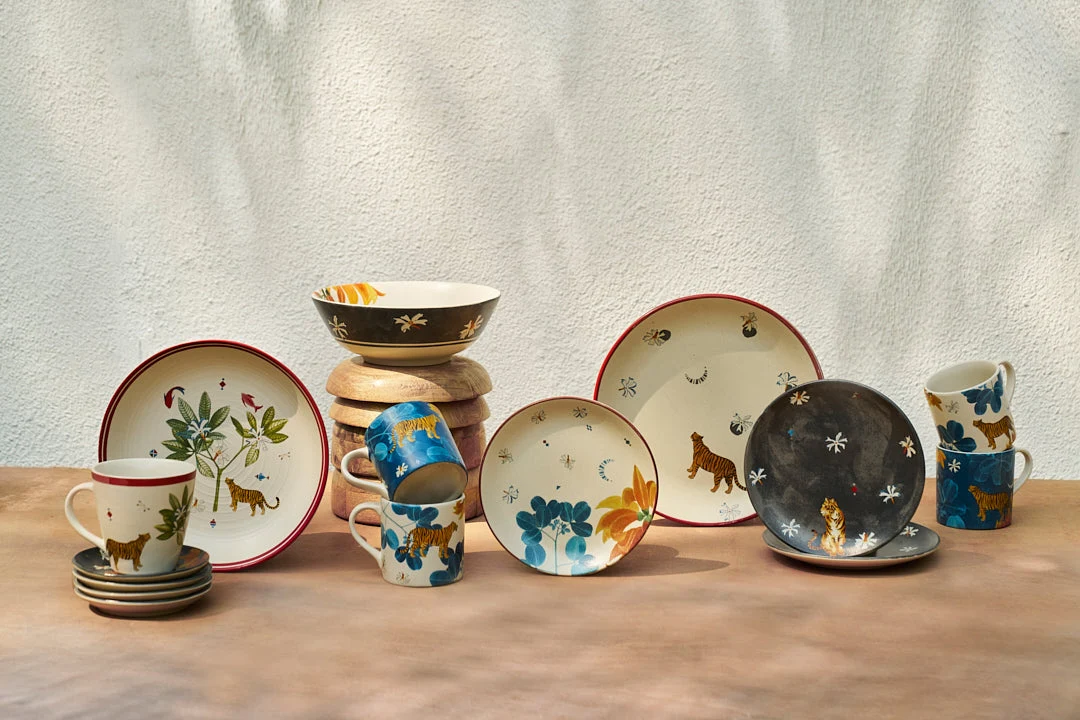
Nicobar, started in 2016 by Simran Lal and Raul Rai, took a different route to a similar destination. Named after the remote island chain in the Indian Ocean, the brand leans into ease rather than opulence, think breezy cottons, lotus leaf thalis and kulhars alongside furniture that looks collected rather than bought. Nicobar’s homeware feels like an extension of its clothing: unfussy, tactile and built around the idea that a relaxed home is its own kind of luxury.
Everyday Objects, Elevated
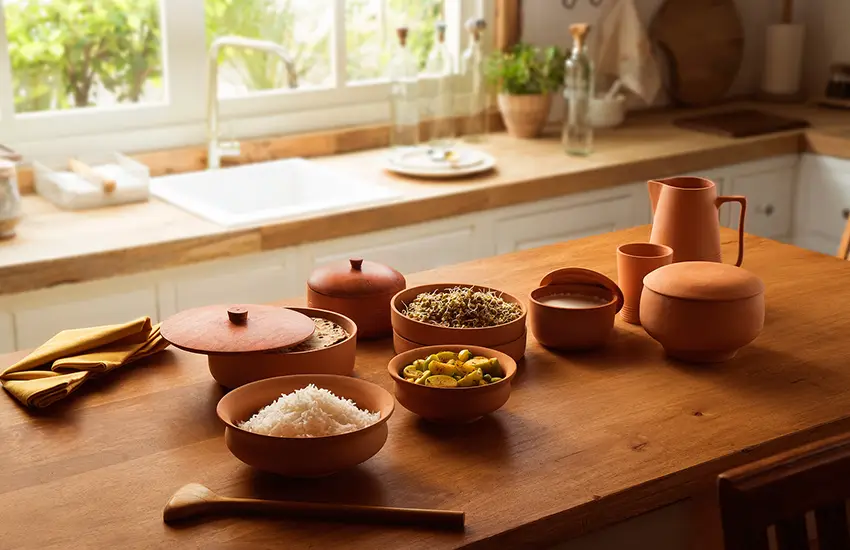
Ellementry, founded in 2018 by Ayush Baid, grew out of three decades of family expertise in handicraft exports. Its focus stays narrower and sharper: kitchenware, tableware and serveware that put handmade imperfection and food-safe materials on equal footing. The brand’s appeal lies in convincing people that the bowl they eat from every day deserves the same attention as the artwork on their wall.
Colour as a Design Language
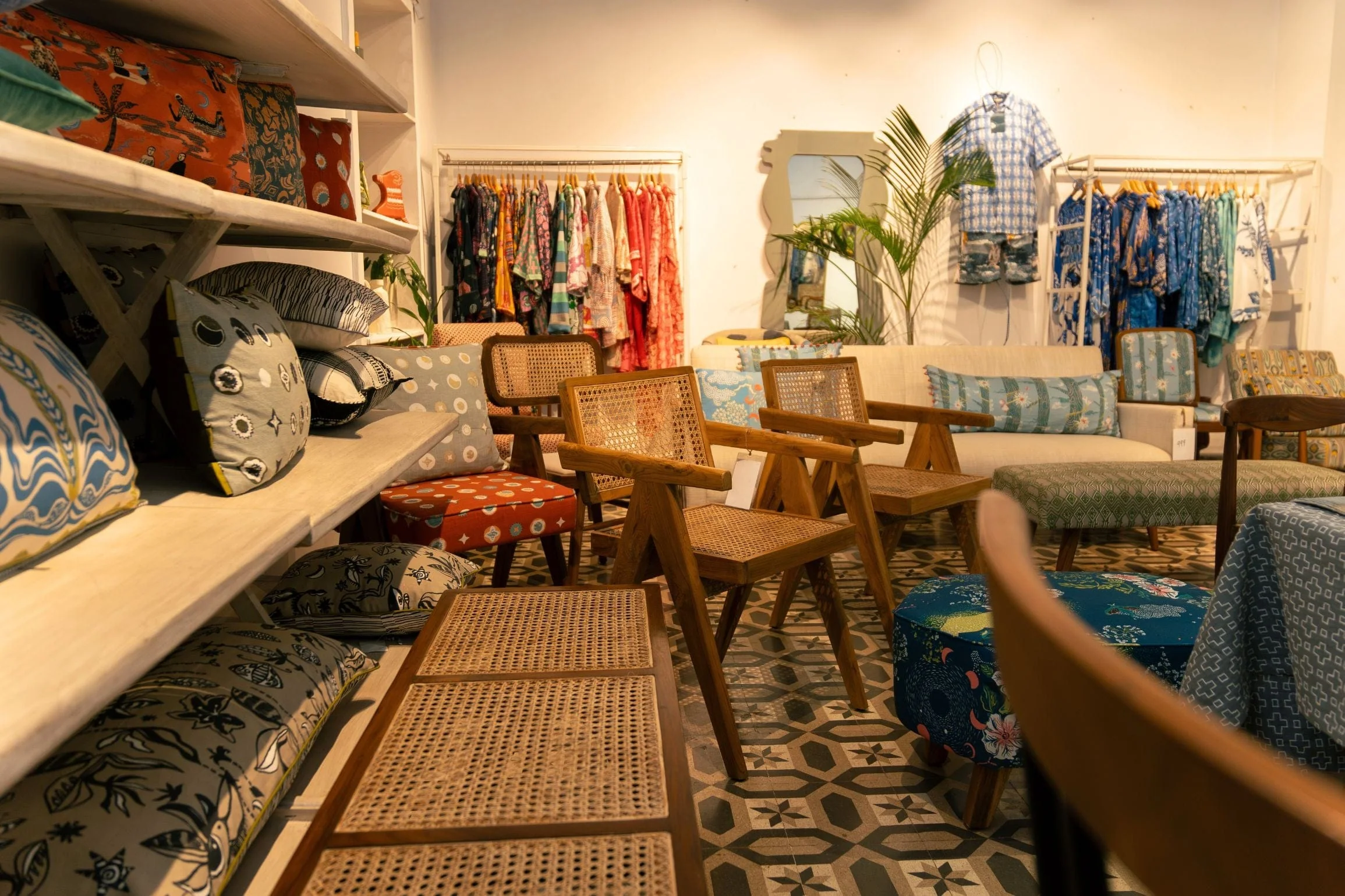
Freedom Tree, which grew out of Latika Khosla’s colour and trend consultancy before becoming a retail brand in 2010, brings a completely different energy. Bold prints and saturated palettes define its furniture and textiles, a reminder that luxury does not always have to whisper. Meanwhile Address Home, launched in 2008 by Rajat Singhi and Deepesh Darla, took the opposite bet, importing a global, eclectic sensibility and pairing it with accessible pricing, proving that stylish curation can be its own form of craft.
What This Says About Modern India
Taken together, these brands point to something bigger than décor trends. They suggest a generation that wants its homes to reflect where it comes from, without sacrificing the ease and polish of contemporary living. Sustainability, artisan partnerships and thoughtful materials are not add-ons here, they are the point. Indian luxury, it turns out, was never about importing someone else’s idea of beautiful. It was about looking closer to home.