
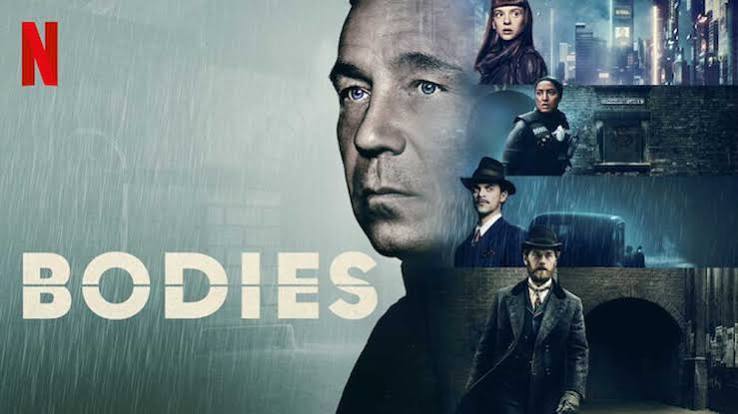
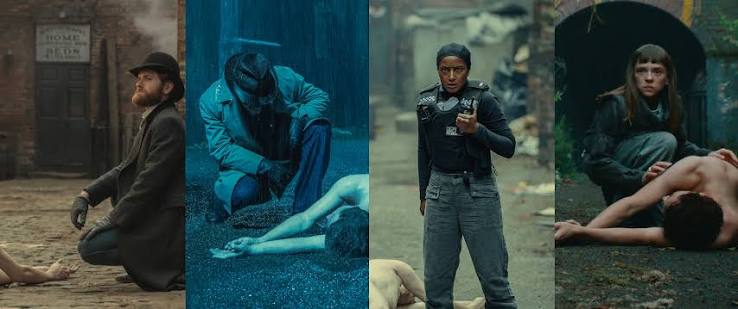
One dead body, four different timelines. Four detectives, one case. This is the premise of Netflix's Bodies, based on the graphic novel by Si Spencer and created by Paul Tomalin. But the mystery isn't the only thing stacked against these detectives—each of them is already fighting a losing battle with the society they serve, whether it's their sexuality, their faith, or the prejudice trailing them at every turn. And the case gives them nothing back. No bullet. No clean answers. Just a body that keeps showing up, refusing to explain itself.
Four Detectives, One Fight Against Society
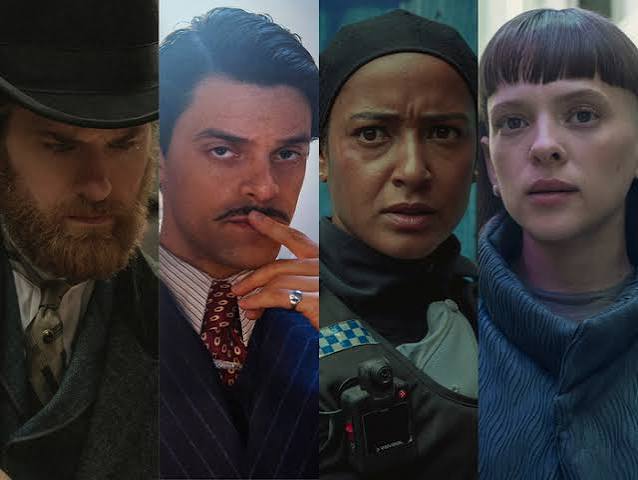
What makes these four detectives so compelling isn't just the case they're chasing, it's who they are while chasing it. Each of them belongs, in some way, to a community the world around them has decided is less deserving of power. In 1890, DI Hillinghead is homosexual in a London where that alone could cost him everything—his career, his family, his freedom— so he hides, because homophobia leaves him no other option. In 1941, DS Whiteman is Jewish, and his own superior never lets him forget it, reminding him at every turn that "his people" shouldn't have been hired in the first place, even as he risks his life for a city that resents him. In 2023, DS Hasan is a practising Muslim woman policing a far-right protest the day she stumbles onto the body and when a young Muslim suspect goes quiet, her boss leans on her to get through to his sister, banking on the fact that "her people" will trust her more. It's a subtler prejudice, one that uses her identity rather than attacks it outright, but it's discrimination all the same. And thirty years into the future, DS Maplewood is a disabled woman who can walk again only because of new technology—a gift that comes at a price, because it ties her to Elias Mannix, the very man pulling the strings behind everything the other three detectives are investigating.
Elias Mannix: A Villain Born From Wanting to Be Loved
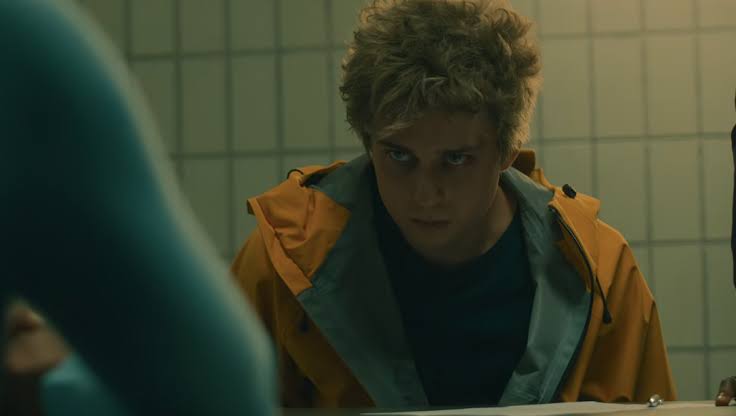
And then there's the man tying all four timelines together: Elias Mannix. Without giving too much away, Mannix is less a mustache-twirling antagonist and more a wound that never healed. Every choice he makes, every timeline he sets into motion, traces back to one unbearably simple need, to be loved, to be told he mattered to someone. It's telling that the movement he eventually builds in the future calls itself KYAL—Know You Are Loved. It's not just a name; it's the confession of a man who never got to hear those words when he needed them most, and decided to force the universe to say them instead. That's what makes Bodies more unsettling than your average time-loop thriller, the villain isn't chasing power for its own sake. He's chasing the one thing that could have stopped him from becoming a villain at all.
From Hand-Cut Skulls to Instant Scans: A Visual and Forensic Evolution
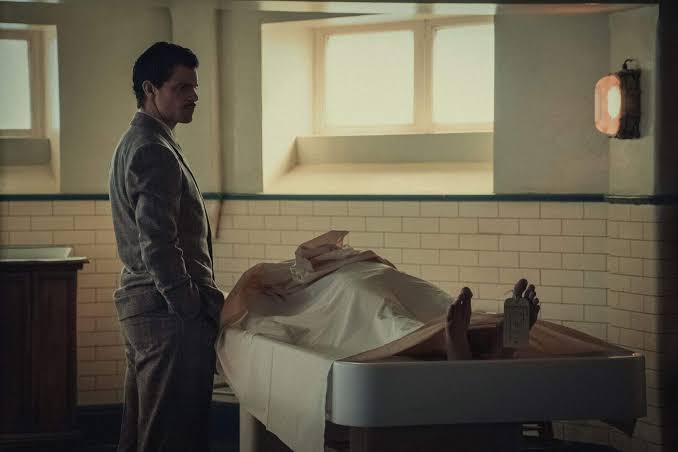
Visually, Bodies treats each timeline like its own standalone film. The show's creative team reportedly built a distinct genre and colour palette for every era —1890 plays like a period romance, 1941 leans into film-noir shadows, 2023 has the grounded, procedural feel of a modern cop thriller, and 2053 is coldly, clinically dystopian. That distinction carries all the way down to the grain of the picture, so even before the plot tells you which year you're in, the look of the frame already has. And this attention to detail extends beautifully into the forensics, watching the investigative process evolve across 150 years is one of the show's quiet pleasures. In 1890, Hillinghead's team has to cut open the body's skull by hand just to dig out a bullet. By the time we reach Maplewood in 2053, a single scan tells her everything she needs to know in seconds. It's a small detail, but it says so much about how differently and how impersonally each era treats a dead body.
The Bootstrap Paradox
A bootstrap paradox is a kind of time-loop where something exists without ever truly beginning—it happens only because it eventually causes itself to happen, with no clear starting point. Bodies builds its entire mystery around exactly this idea: Mannix's future self influences his past, which shapes the very future that sends the message back, and the loop closes on itself again and again. The dead body on Longharvest Lane, the tattoo, the note that guides each detective to the next clue—all of it exists in service of a cycle that was never meant to be broken, only repeated. It's an ambitious choice, and one that ties every loose thread from the four timelines into a single, unbroken knot by the finale.
Final Verdict
Bodies isn't flawless. A few threads are left dangling, and some emotional beats tip into melodrama rather than restraint. But these are minor dents in an otherwise ambitious, well-executed puzzle box. Balancing four eras, four genres, and one impossible time loop is no small feat, and Bodies mostly sticks the landing. It may not be a show you return to again and again, but it makes for a solidly engaging one-time watch—the kind of mystery that keeps its promise by the time the credits roll.