
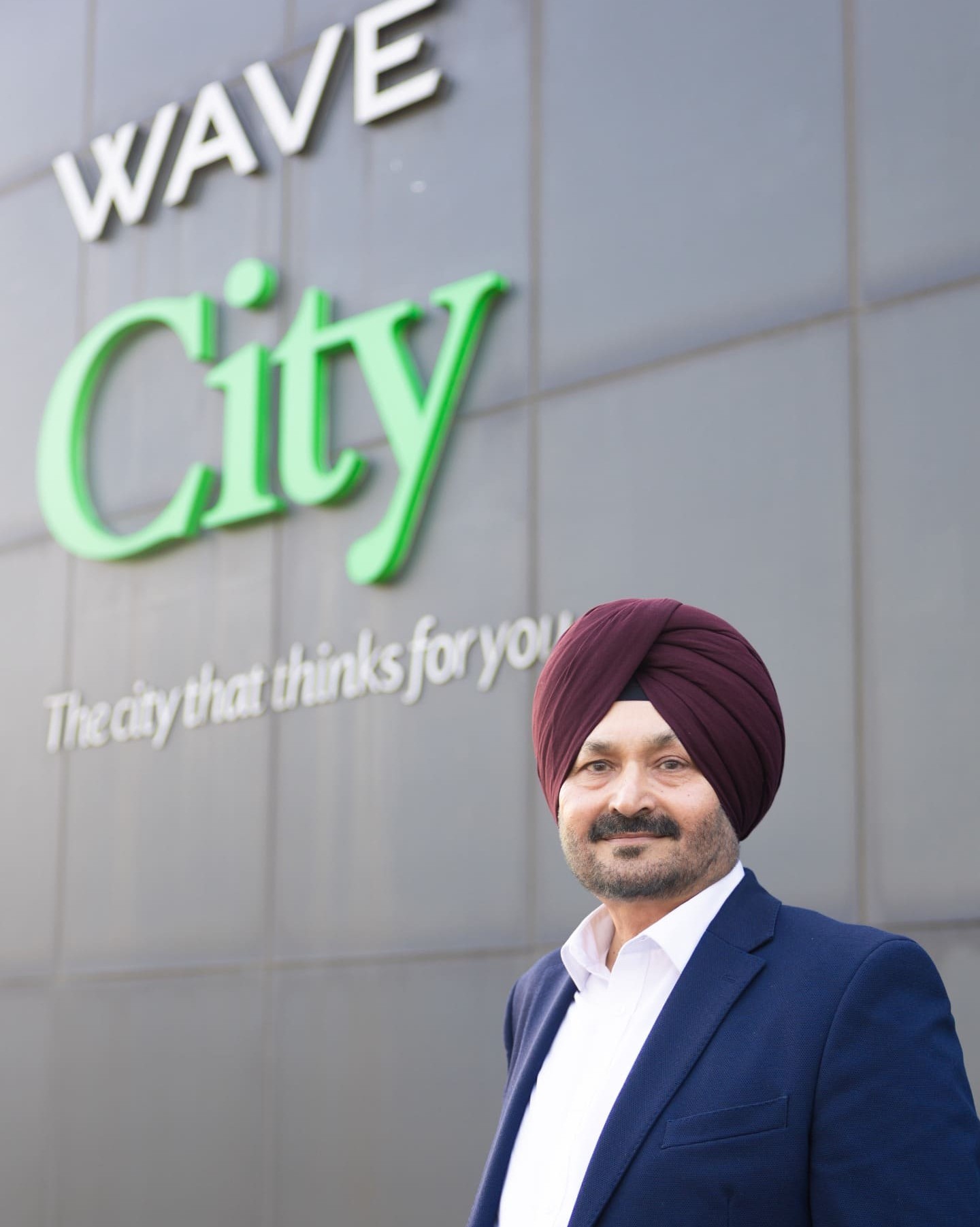
These days, people mostly talk about homes as investments—what’s the resale value, how much will it appreciate, that sort of thing. Homes are supposed to bring people together and make daily life work. In a market obsessed with profit, it’s easy to forget that. But at Wave City, CJ Singh, the Chief Operating Officer, is quietly pushing for something different. He’s trying to shift the focus back to basics—making homes accessible, building a place where life feels balanced, and putting people at the heart of development.
In an exclusive conversation with TMM at his plush office, Singh underscored a commitment that extends beyond premium positioning to genuine social inclusivity. “Ranging from five lakhs to five crores, that is the kind of built-up accommodation we have, because for any city to be economically viable and sustainable, you require all professions and sections of the population,” he notes. The premise is both simple and structural: a city can only function when it is built for everyone. Through Wave City’s layered housing strategy, Singh is working to embed that principle into the very blueprint of urban growth—where inclusivity is not an afterthought but foundational to the city’s long-term vitality.
How did your academic and childhood surroundings inspire you to build Wave City?
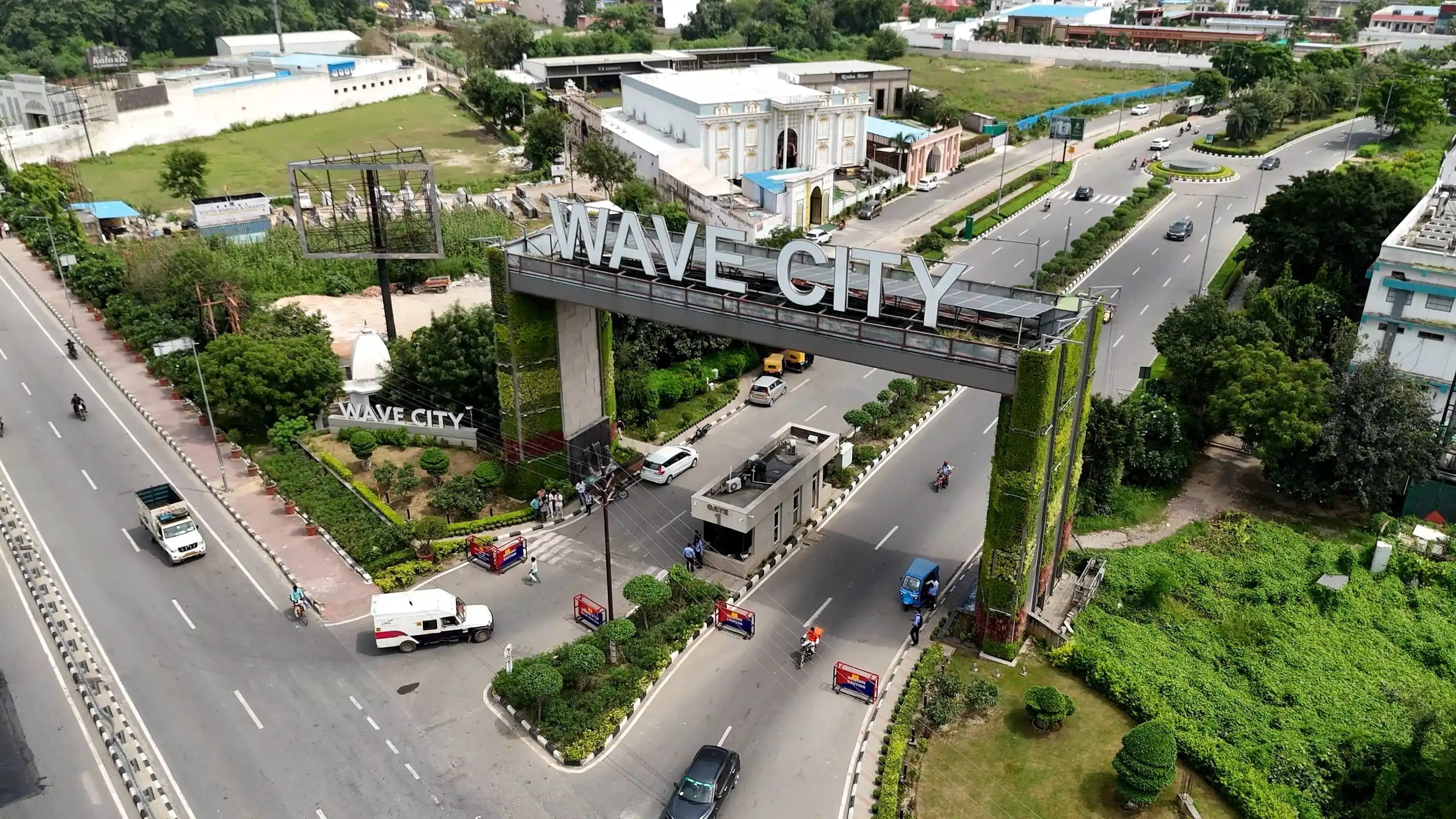
Wave City is a very big township spread across 4,200 acres of land, and planning a city of this size is not everyone’s cup of tea. Being the child of an army man and an alumnus of Punjab University, I had this opportunity to be surrounded by top-class infrastructure that left a great impression on me. It was the upkeep of those surroundings, with very thoughtful design and planning, that fuelled my journey toward building this township.
What are the master sketch plans and the different segments? What does Wave City consist of, and what does it plan to incorporate in the future?
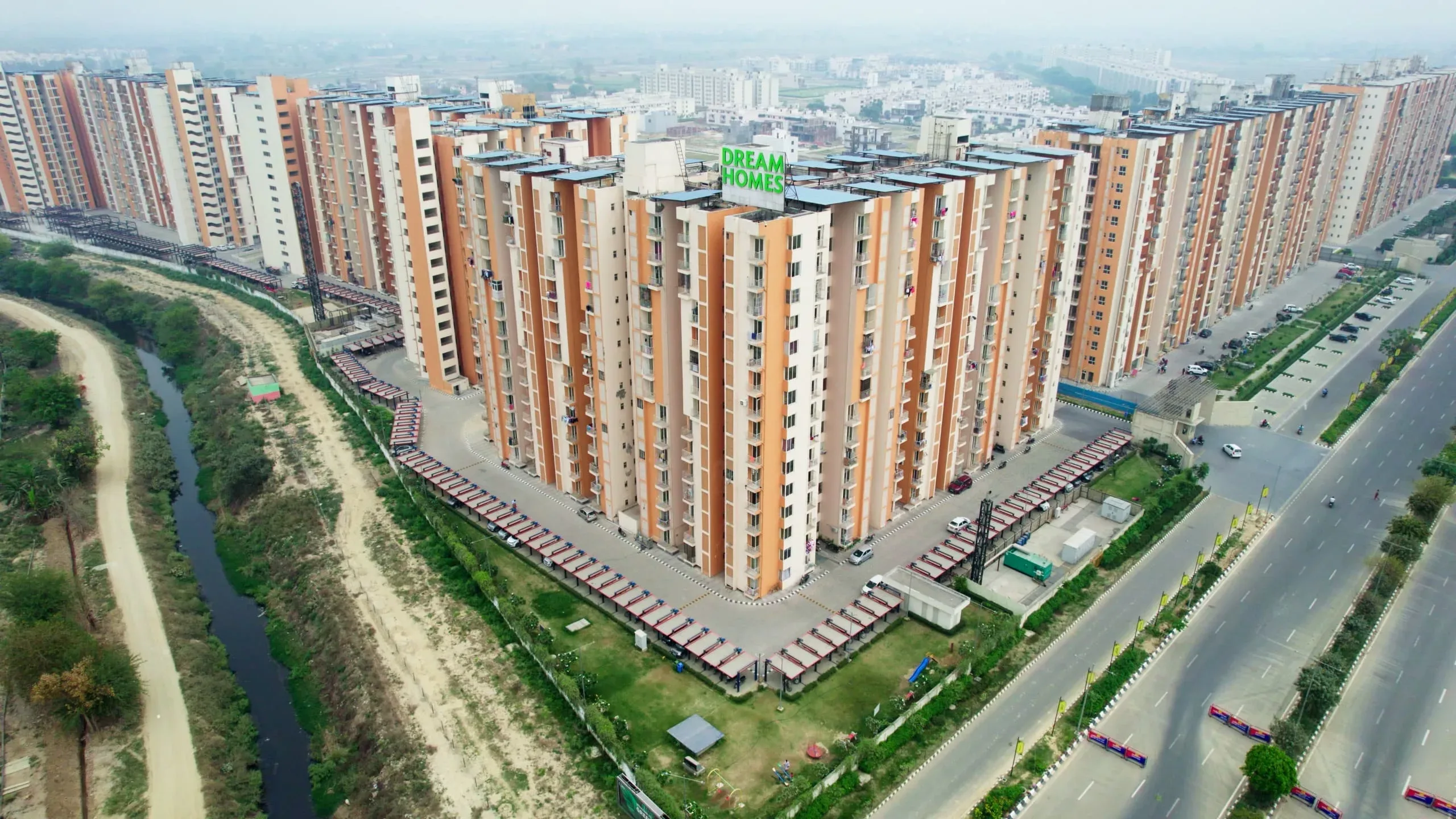
Many can build apartments and buildings, but creating a city requires many things that are necessary to sustain life: schools for education and hospitals for treatment—these are all imperative factors that Wave City has kept as a priority. Going one step further, we have also planned to create space for commercial shops and industry. In the commercial area, we'll have the shops, the retail areas and the office areas.
How does Wave City focus on sustainability and greenery despite being in a profit-driven market?
More often than not, buildings, apartments, and cities are created at the cost of forests and greenery, which leads to global warming, and if you live near the border of the Delhi area, pollution could be a primary problem for residents. However, Wave City has a different approach: recognising the importance of nature as the soul of the city, we have kept one-third of the area for greenery. We know that if we can create a good, liveable city with a good environment, then definitely the prices of this property are going to go up, and it's a long-term benefit that we're going to reap from this industry.
What are the different housing segments that Wave City offers to people?
As we know, this township is not like many others, which are mostly profit-oriented and focus solely on the upper segment of society. Emphasis has been placed on creating a space where equality prevails and diversification remains at its core by offering different housing segments to people, whether lower-income, middle-income, or upper-income groups. Wave ensures it caters to every segment of society.
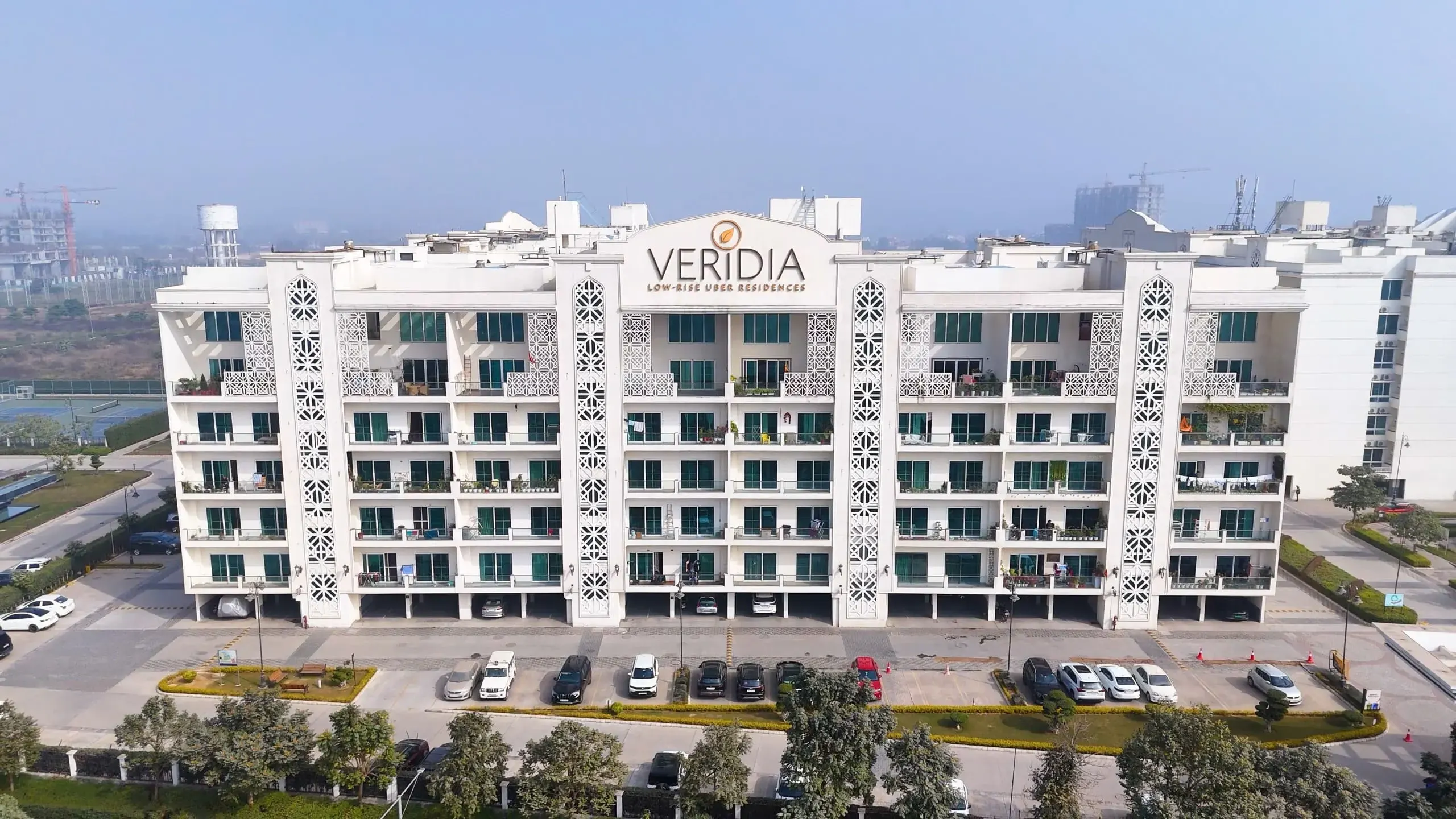
And if we talk about the premium segment, the Wave City project called Veridia takes the spotlight; we have launched it in the premium segment with a price of ₹5 crore, ensuring its place in the premium category while catering to all income groups of society.
In what ways does Wave City act as a caretaker of the town and its people rather than just a seller?
Since the beginning, our focus has been on solving day-to-day challenges, ensuring residents’ safety, and maintaining the smooth flow of everyday life — effectively performing many of the roles typically associated with a government in any country or state. Creating infrastructure is one part of the story, and the other part is maintaining and governing the city. This is essential and requires high-tech infrastructure, which we have integrated to monitor the seamless flow of life in Wave City.
Which aspect of Wave City would you consider the trademark – infrastructure, lifestyle, facilities, or the 30,000 smiling faces?
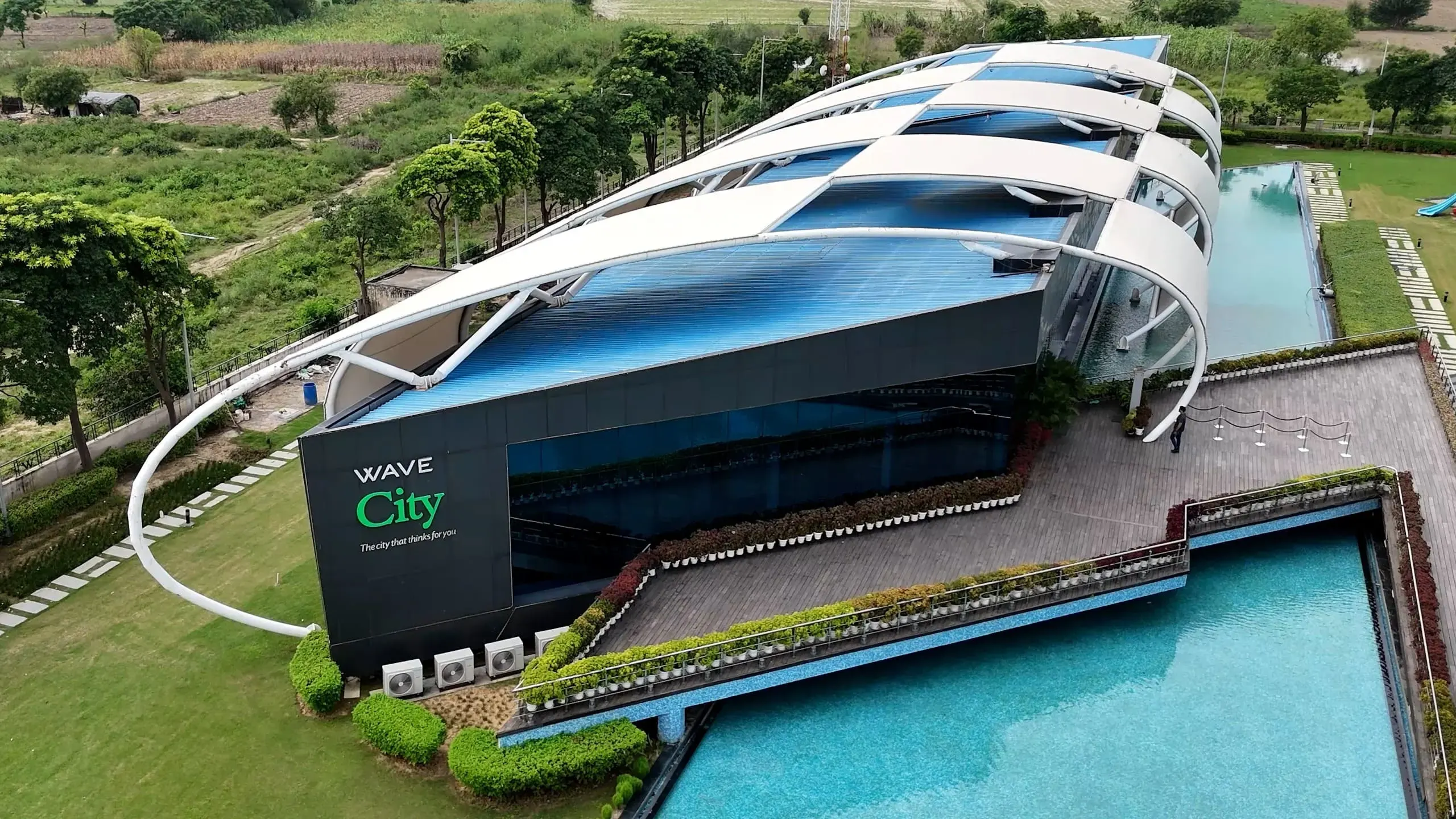
It isn’t a single thing but a commitment: every layer matters. The smiles today (30,000) and the vision for seven lakh tomorrow are the scoreboard, but they’re only possible because the master plan is followed—balanced infrastructure, usable facilities, and a lifestyle that supports daily life, not just investment returns. My stress is on being practical, delivering what you promised, ensuring facilities are used, and communities will thrive.
What’s the biggest hurdle behind the scenes that people don’t see?
Beyond land acquisition, the toughest task is waste management: door-to-door collection, getting residents to segregate organic and inorganic waste, running composting machines, and storing construction debris. Then there’s black-water treatment—a ₹50 crore investment to treat and reuse water for horticulture. These operational chores are time-consuming and patience-testing; they demand persistence more than publicity, and we are committed to them as a family.
If you could send a postcard—to all residents and to your 15-year-old self—what would you write?
To residents: a breezy reassurance— “Don’t worry, be happy—we created a world-class city for you; enjoy your stay.” To my 15-year-old self, I would just skip it, as some things are better left unsent.