Every June, millions of people across the world step onto a yoga mat at the same time. They are not all in the same city, or even the same country, but they are part of the same idea. This is International Yoga Day, and in 2026 it will mark its twelfth edition. What started as a proposal from India to the United Nations has grown into one of the most widely observed global wellness movements, with people in over 190 countries taking part every year.
For something rooted in a tradition thousands of years old, yoga has managed something rare. It has stayed relevant to a generation that swipes through fitness apps and counts steps on a smartwatch. Here is how that happened, and what this year's celebration has in store.
A Day with Deep Roots
The idea for International Yoga Day came from Prime Minister Narendra Modi, who raised it during his address to the United Nations General Assembly in September 2014. He described yoga as a gift from India's ancient traditions, one that brings the mind and the body together rather than treating them as separate things. The proposal moved fast by UN standards. Within three months, the General Assembly adopted a resolution declaring June 21 as International Yoga Day, with 175 member states backing it, the highest number of co-sponsors any resolution had received at the time.
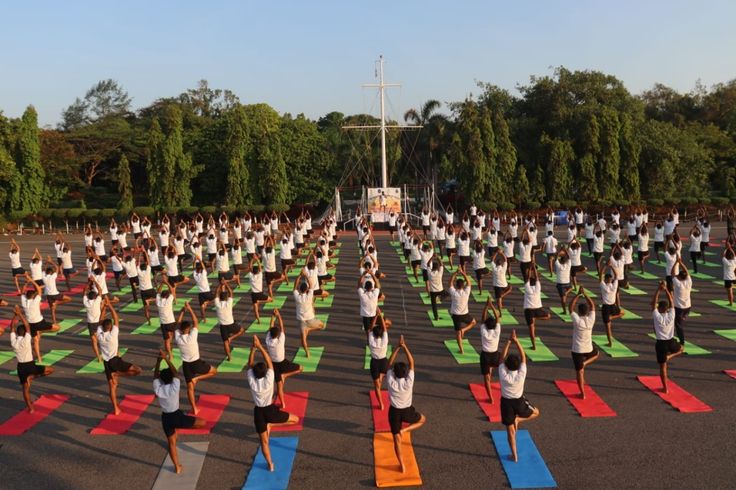
The date was chosen for a reason. June 21 is the summer solstice, the longest day of the year in the northern hemisphere, a date that already carries meaning in many cultures. Since the first celebration in 2015, when thousands gathered in Delhi to perform a set of yoga poses together, the day has grown steadily. It has moved from a national show of strength to a genuinely global event, with programmes now held everywhere from city parks to embassy lawns.
Why This Year's Theme Matters
Each edition of International Yoga Day carries a theme that reflects the concerns of the moment, and 2026 is no different. The Ministry of Ayush has announced that the official theme for the twelfth International Day of Yoga is “Yoga for Healthy Ageing.” It is a fitting choice. The world's population is getting older, and India alone is home to well over a hundred million people above the age of sixty, a number expected to keep climbing in the coming decades. The theme makes the case that yoga is not something to grow out of in your twenties. Its slow stretches and breathing exercises suit a body that is ageing just as well, helping with balance and mental clarity, the very things that tend to fade first.
India Leads the Celebrations
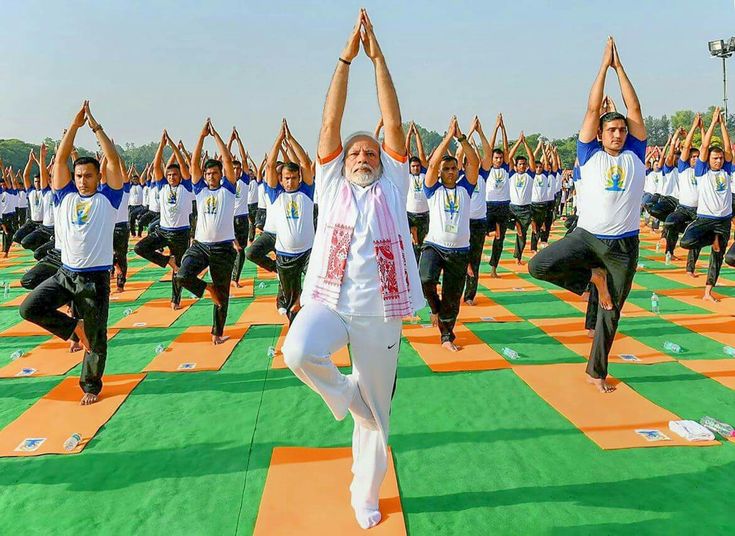
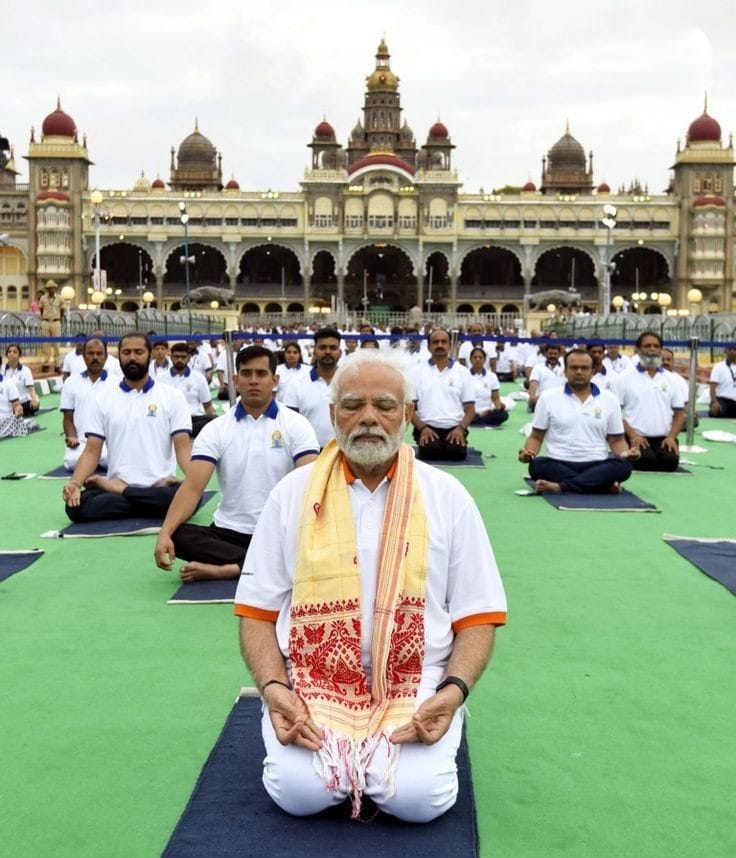
As with every year, India will host the main event for the twelfth International Day of Yoga. Prime Minister Modi is set to lead the primary celebrations in Kolkata, West Bengal, where large public sessions are expected to draw thousands of participants. Alongside this, Indian missions abroad, coordinated by the Indian Council for Cultural Relations, are organising programmes at thousands of locations across the world. The scale of this outreach shows how far the day has travelled since its first edition in Delhi.
A Practice That Transcends Borders
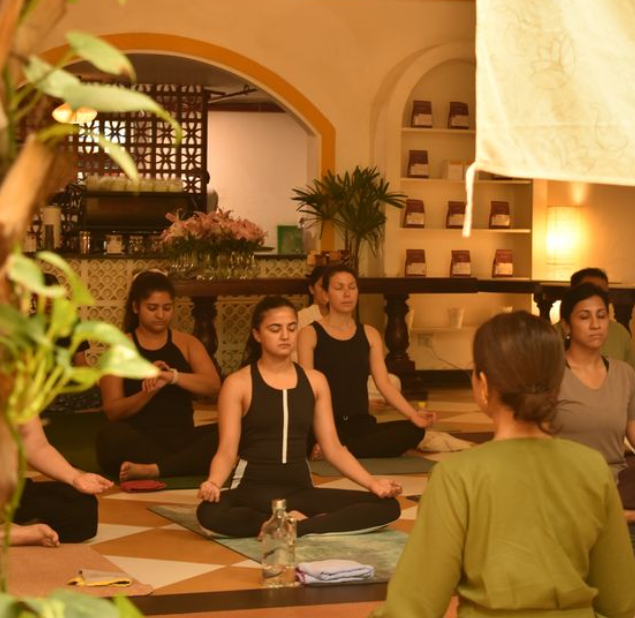
What makes International Yoga Day worth paying attention to is not the size of the events but what they represent. A practice born in ancient India is now part of daily routines in cities far removed from its origins, adapted by people who may know little of its philosophical roots but feel its benefits all the same. It has found its way into office wellness programmes, school timetables and fitness influencer feeds, proof that something old can still find new audiences when it offers people something they genuinely need.
Whether you are a lifelong practitioner or someone who has only tried a few sun salutations on YouTube, June 21 is as good a day as any to roll out the mat.