India, known for its rich culture and traditions, is also the birthplace of yoga, Ayurveda and meditation—practices that have spread across the world. Few expected these traditions to place India at the top of global wellness tourism rankings for 2026, featuring prominently among the world's top 50 wellness destinations, according to Travel and Tour World (TTW).
Although wellness practices like yoga and Ayurveda are deeply embedded in Indian culture and trace back to ancient times, they have remained mainstream for centuries. The shift occurred as travellers began choosing slow, holistic and wellness-orientated trips.
Data shows the wellness travel market is now part of a multi-trillion-dollar global wellness economy and continues to grow, as travellers seek not just majestic scenery and luxury stays but also retreats that detoxify the body, calm the mind and reconnect them with nature. For this, many are choosing India over countries like Thailand, Indonesia, Japan, Switzerland and Australia. So, what sets Indian wellness destinations apart, and what kind of activities are they offering that entice tourists from all over the world? Let's find out.
Indian wellness structure against the world
In the West, luxury wellness often focuses on structured health optimisation driven by technology—cold plunges, red‑light panels, continuous glucose monitors and biohacking stacks. These may improve physical health, but in today's screen-heavy, sedentary lifestyle, mental and emotional wellbeing also deteriorate. This is where Western wellness often falls short compared to India's spiritual and holistic approach.
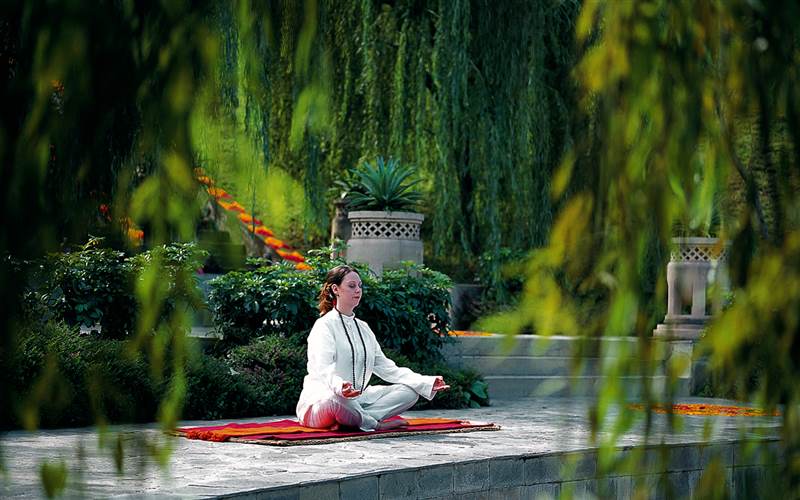
In India, every state is known for its own wellness speciality that brings peace to the mind and fosters a sense of spiritual connection. Whether it is the Ganga Aarti in Haridwar, a Panchakarma programme in Kerala, or yoga and meditation in Rishikesh, even the air feels steeped in centuries of wellness and spirituality.
What travellers are actually coming for
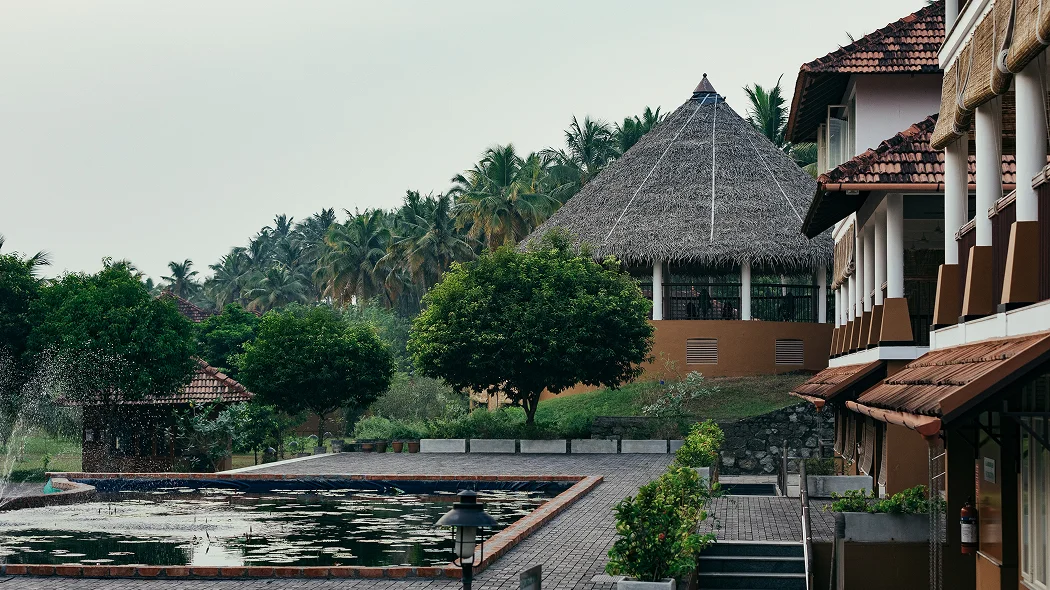
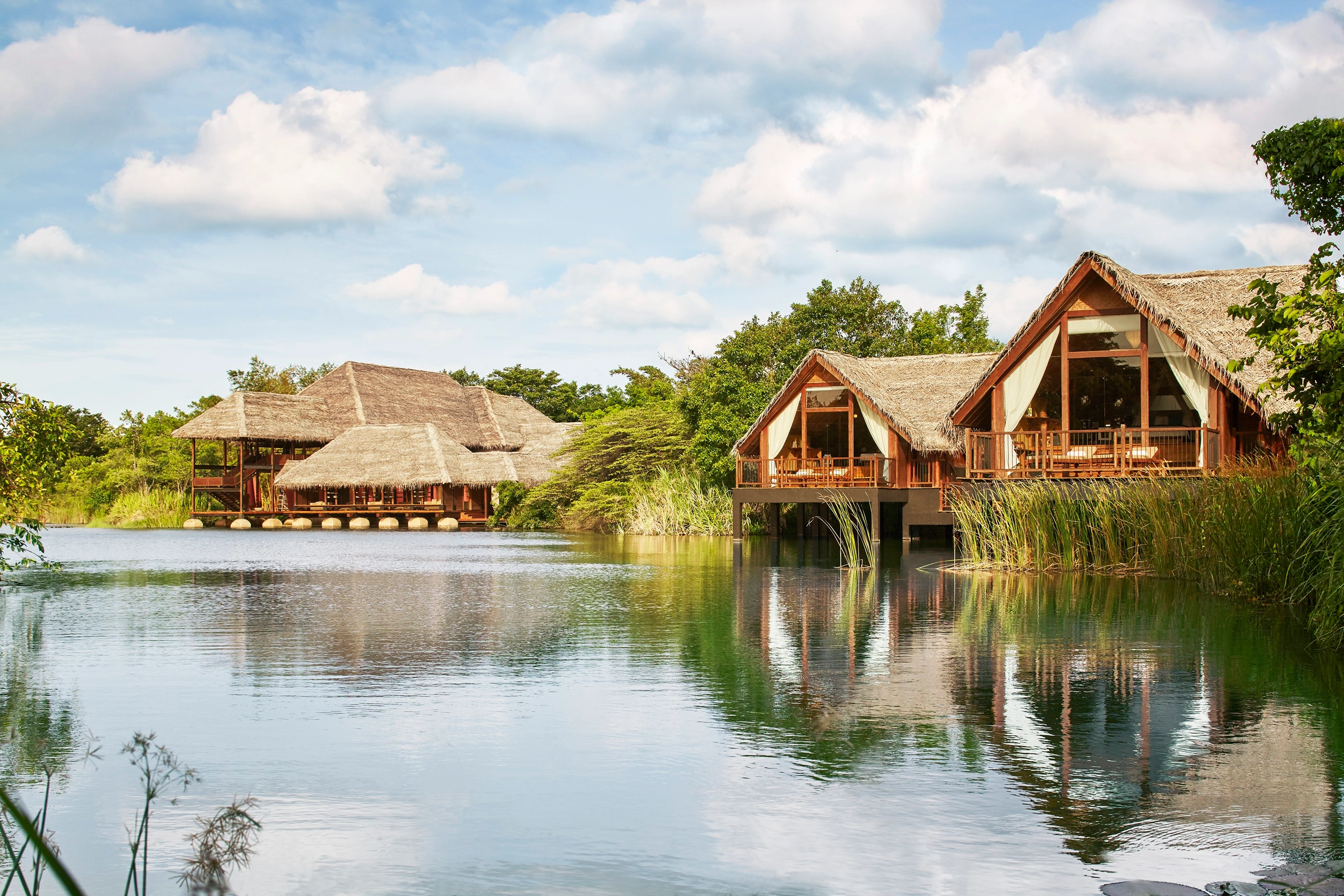
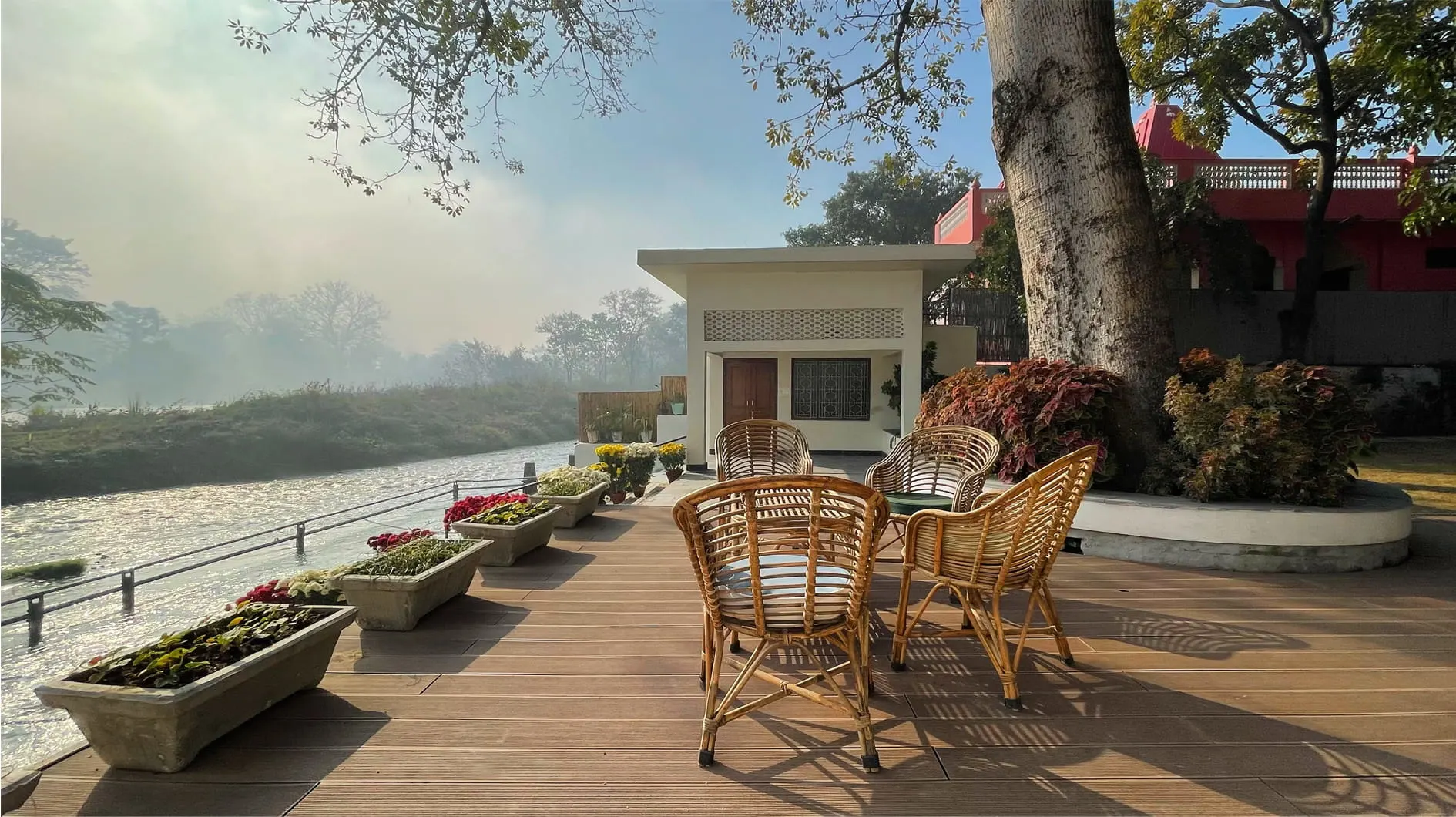
The integration of wellness with luxury is clearly visible in India's high-end resorts, which feature spacious properties set in lush greenery. They offer Ayurvedic spas and massages, curated activities, and professional trainers to guide meditation and yoga. This transforms a retreat from simple relaxation into a holistic wellness experience that leaves you with a lighter body and a tranquil mind.
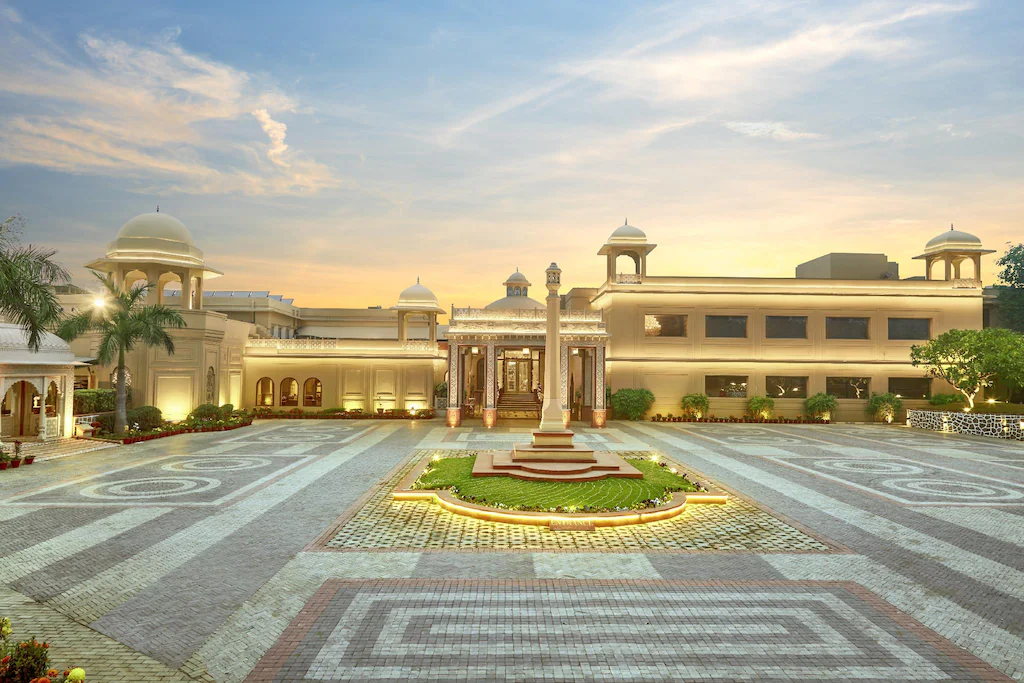
From the green Aravalli Marriott Resort to serene, craft-inspired heritage villages in Rajasthan, Indian hospitality is competing with international players by leveraging ancient wellness knowledge. Beyond this, India is increasingly becoming a destination for digital detox, where travellers retreat to remote Himalayan towns and forests to reconnect with themselves.
The bigger meaning: India was always a wellness capital
The bigger meaning is simple: India was always a wellness capital; the world has only just caught up. For decades, yoga, Ayurveda, meditation and spiritual retreats have been part of everyday Indian life, long before "wellness tourism" became a global buzzword. What has changed is not India, but the way the world travels. After years of fast-paced, checklist-style holidays, travellers are now prioritising mental wellbeing, local food, family time and flexible planning.
India's advantage lies in offering all of this within one trip. A single stay can combine Ayurvedic treatments, daily yoga, regional cuisine, cultural experiences and natural landscapes, from the Himalayas to Kerala's backwaters. Luxury hotel chains are recognising this strength and expanding wellness-focused properties, positioning India not just as a holiday destination but as a place to reset, heal and return home with lasting change.