Most people come home from a trip exhausted, overspent, and feeling like they barely scratched the surface of where they went. The good news is that the most rewarding travel rarely costs the most. Locals spend less and experience more, and with a few shifts in how you plan and move, you can too.
Skip the Tourist Bubble

The first thing a local would never do is eat right next to a famous landmark. Restaurants in high-footfall tourist zones routinely charge inflated prices for average food. Walk two or three streets away and you will almost always find smaller, family-run spots where the food is better and the bill is a fraction of what you would have paid. Street food stalls and local markets are another reliable option. Not only are they cheaper, but they give you a far more honest taste of where you are.
Use Public Transport Like a Regular Commuter
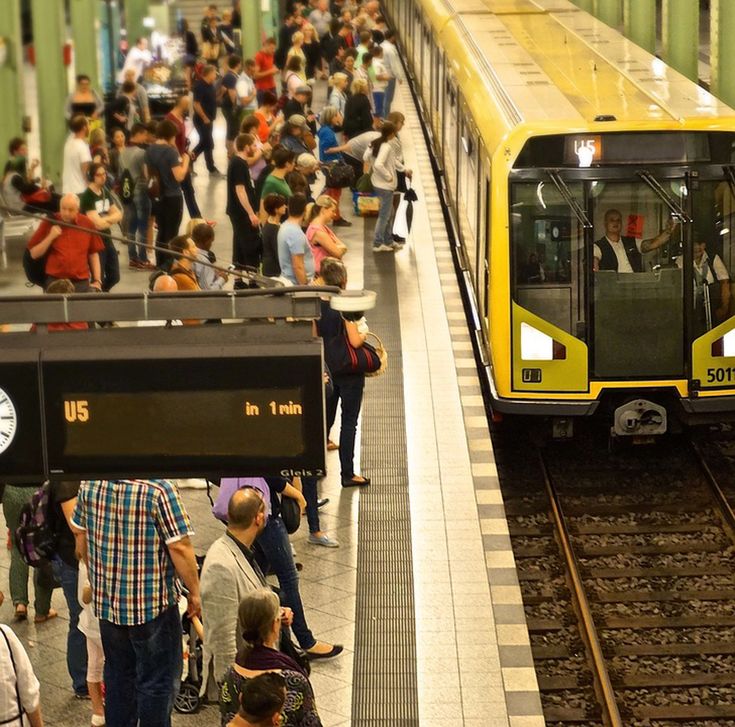
Taxis and rideshares add up faster than you expect. In most cities around the world, public transport is affordable, frequent, and surprisingly easy to figure out. A multi-day transit pass often costs less than a single cab ride. Beyond the savings, buses and trains take you through real neighbourhoods, the kind you would never see from the back of a hired car. If the destination is walkable, walk. It is free, gives you better bearings, and turns side streets into discoveries.
Stay Somewhere That Feels Like Home
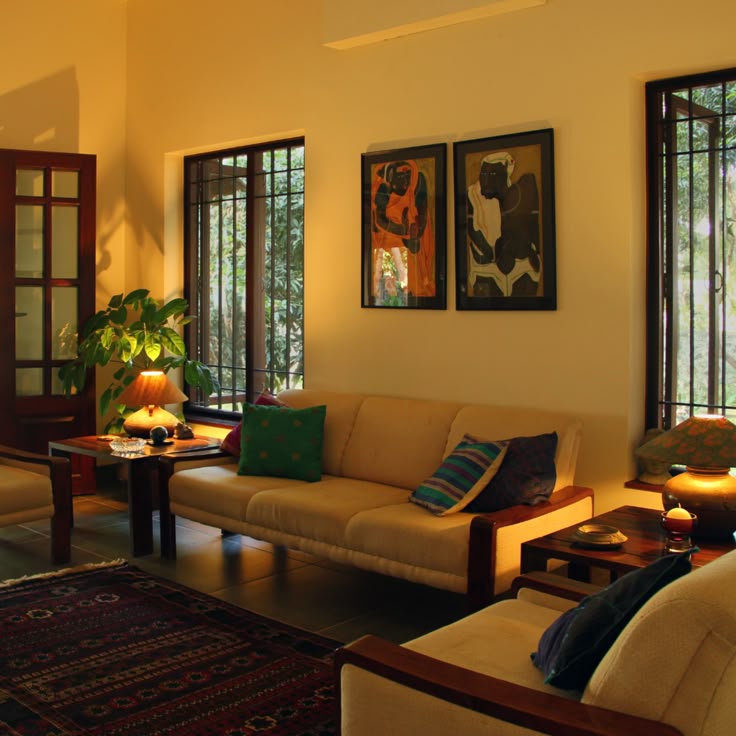
Big hotel chains in city centres are convenient, but they are also one of the fastest ways to drain a travel budget. Locally owned guesthouses, smaller bed and breakfasts, and short-term rentals in residential areas tend to cost less and come with something no hotel loyalty programme can offer: a person who actually lives there. Hosts and guesthouse owners often know exactly where to eat, what to skip, and which spots are only popular with people who have lived in the city for years. That kind of insider knowledge is worth more than any guidebook.
Travel in the Off-Season
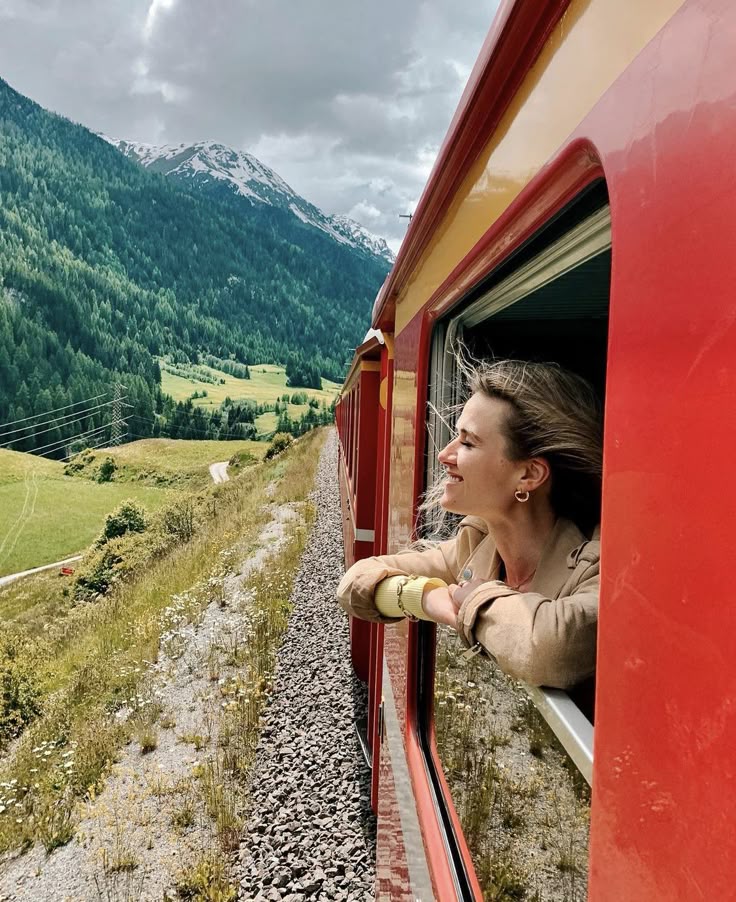
Peak season means peak prices, and it also means crowds at every attraction you want to see. Travelling in the shoulder months—the weeks just before or after the tourist rush—can cut accommodation costs by 20 to 30 percent and lower airfares noticeably. You get the same city, the same food, the same culture, but with fewer people in the way and more room to move at your own pace. Locals are also more relaxed and more likely to chat when their streets are not overrun with visitors.
Ask, Don’t Just Google
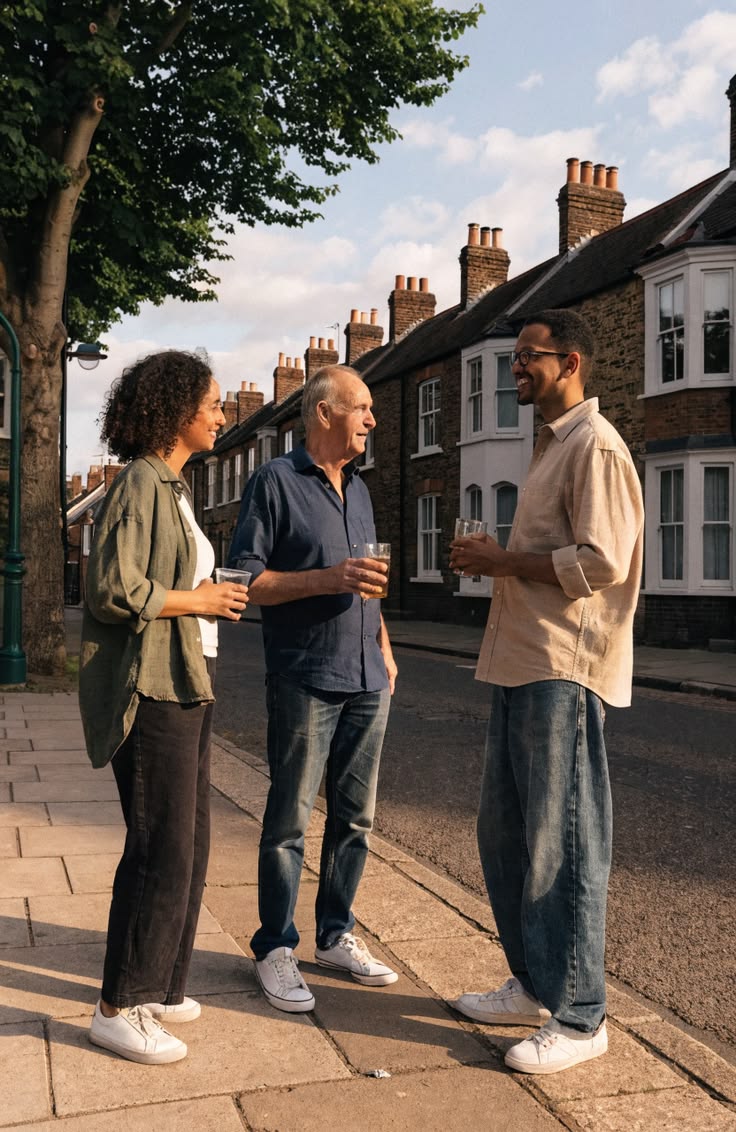
A search engine will show you what is popular. A local will tell you what is actually good. Before or during your trip, city-specific communities on Reddit, neighbourhood forums, and apps like Jetzy connect you with people who know a place intimately. Ask for a coffee shop they go to every morning, a market that does not appear in travel roundups, a free event happening that weekend. These recommendations are the difference between a curated tourist experience and something that actually stays with you.
Travelling like a local is not about being budget-obsessed. It is about being curious enough to look past the obvious. When you do, you spend less, see more, and come back with stories that no tour package could have written for you.