
Every year, International Harry Potter Day brings fans together to celebrate a story that has lived far beyond its pages. What began as a series of books turned into a shared cultural experience—one that shaped childhoods, friendships, and the way an entire generation connected with stories. The magic of Harry Potter was never just about spells or fantastical creatures. It was about growing up, dealing with loss, finding belonging, and holding on to hope. That is what makes its impact lasting. Even today, the story continues to live on through its readers.
International Harry Potter Day, then, is more than a celebration of a popular series—it is a recognition of a story that continues to resonate, evolve, and remain relevant across time.
The Origin of International Harry Potter Day
In 2012, then British Prime Minister David Cameron officially declared May 2 as International Harry Potter Day, recognising the global impact of J. K. Rowling’s work. The series, which holds a Guinness World Records title as the highest-selling book series by a single author, has sold over 500 million copies worldwide.
The date itself isn’t random. May 2 marks the Battle of Hogwarts in 1998—the final and most defining conflict of the wizarding world. Over the years, the franchise has expanded far beyond books and films, growing into theme parks, merchandise, and immersive experiences. International Harry Potter Day, therefore, is not just about remembering a fictional victory but celebrating a story that continues to influence generations.
A Story That Connected Generations
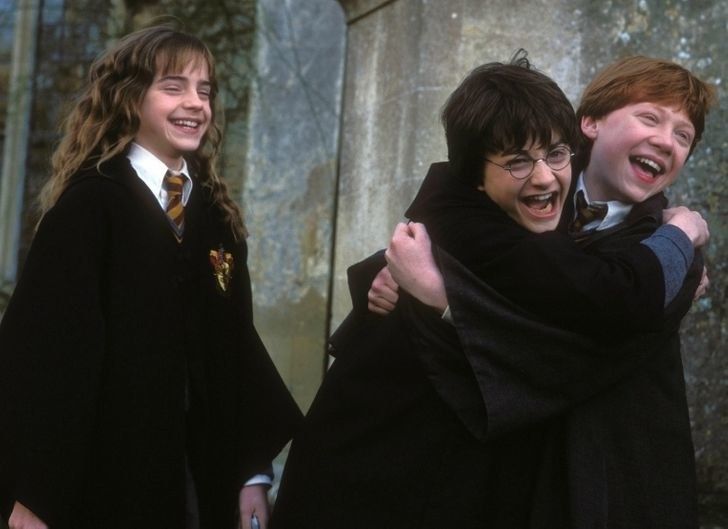
What makes Harry Potter truly enduring is not just its story but also the way it connects with readers across different stages of life. It offers something for everyone—children are drawn to its sense of wonder and adventure, while older readers find themselves relating to its deeper themes of loss, identity, friendship, and belonging. The series does not remain fixed in one phase; it grows. As the characters evolve, so does the emotional depth of the story. What begins as a magical escape slowly becomes a reflection of real-life experiences. First friendships, insecurities, love, grief, and the search for one’s place in the world. This is what creates its lasting bond with readers.
In many ways, Harry Potter became a shared journey. Readers didn’t just follow the characters—they grew alongside them. That sense of growing up together, of finding parts of ourselves in different characters, is what continues to connect people to the series even years later.
From Manuscript to Magic: The Making of Harry Potter
J. K. Rowling’s journey from a struggling writer to one of the most successful authors in the world is often spoken about, but it is just as compelling as the story she created. The idea for Harry Potter came to her during a train journey in 1990—an image of a boy who didn’t know he was a wizard. By the time the train reached its destination, the foundation of an entire world had already begun to take shape.

What makes the series stand out is not just its imagination but also the precision behind it. Rowling spent years planning the story before the first book was even published, mapping out plotlines, character arcs, and even the smallest details. This careful structure is what allowed the story to grow seamlessly across seven books. Drawing from mythology, folklore, and history, Rowling created a universe that was fantastical, yet grounded enough for readers to fully immerse themselves in.
A Cultural Phenomenon Beyond Books
What began as a series of novels quickly grew into something much larger. The Harry Potter franchise moved beyond the pages, becoming a global cultural phenomenon that shaped an entire generation. From blockbuster films to theme parks, merchandise, and fan communities, its presence extended into everyday life. But its real impact goes deeper than visibility.
At a time when reading was often seen as a fading habit among younger audiences, Harry Potter brought books back into the mainstream. Midnight releases, long queues outside bookshops, and readers eagerly waiting for the next instalment became a shared cultural experience. It turned reading into something social, something exciting. Beyond that, the series created a lasting emotional connection. Fans didn’t just follow the story—they grew up with it. It influenced how people viewed friendship, loyalty, love, and loss. Even today, its presence continues through fan theories, discussions, and adaptations, proving that its impact is not just lasting but still evolving.
Why International Harry Potter Day Still Matters

International Harry Potter Day is not just about remembering a fictional victory or revisiting a beloved story. It is about celebrating a world that brought people together, a story that grew with its readers, and characters that felt real enough to stay with us long after the final page. What J. K. Rowling created was more than a series; it became a shared experience across generations.
The significance of this day lies in what Harry Potter represents: resilience in the face of loss, the importance of friendship, and the idea that ordinary people can do extraordinary things. But beyond that, it also inspired millions to imagine—to believe in worlds beyond their own, to find magic in the ordinary, and to see storytelling as something powerful and personal. Years later, the story continues to live on, not just through books or films but through the readers who carry it with them. International Harry Potter Day, then, is not only a celebration of what the story was but also of what it continues to be—an ever-growing world of imagination, connection, and meaning.