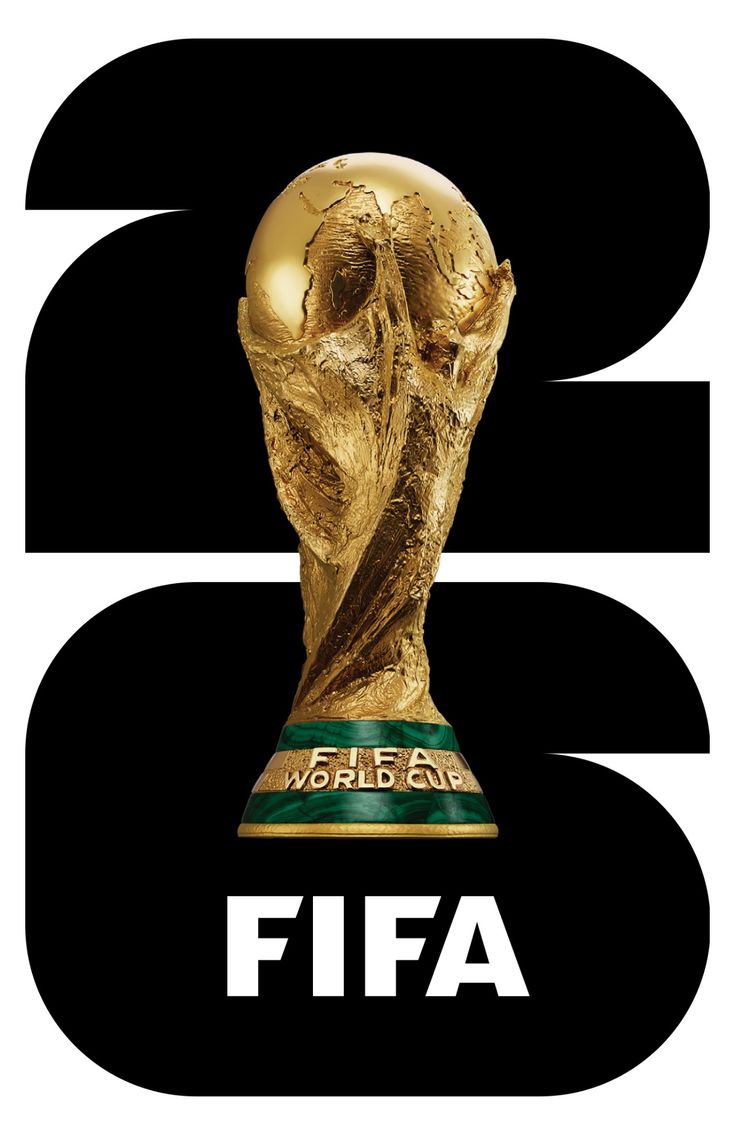
The 23rd edition of the FIFA World Cup is the biggest in World Cup history. It began with only 13 teams in 1930; its popularity spread as new teams were added, bringing the total to 32 by the 22nd edition. This year's entry of 16 new teams has increased the number to 48, showcasing its intent to go global while entertaining fans worldwide.
More astonishingly, FIFA gave hosting rights to three different countries this year: the USA, Mexico, and Canada. This allows fans from different countries to not just attend the matches but also explore the culture, enjoy the scenery and visit the places each city is famous for. Since visiting all 16 host cities can be tiresome, this article will focus on the 10 most culturally rich, fine-dining, and vibrant places among them that enhance your experience, along with the thrill of watching the match.
Picking your 10 host cities should depend on your inclination and support for the team and the place where their match will be held. Besides this, you can look for the city's history, culture and tourist attractions – whether it is the historical and culinary visit to Mexico or the modern fashion and finance hub of New York. This FIFA World Cup won't just be remembered for its high-pressure matches and unbelievable performances but for the memories of time spent exploring these cities.
Mexico City
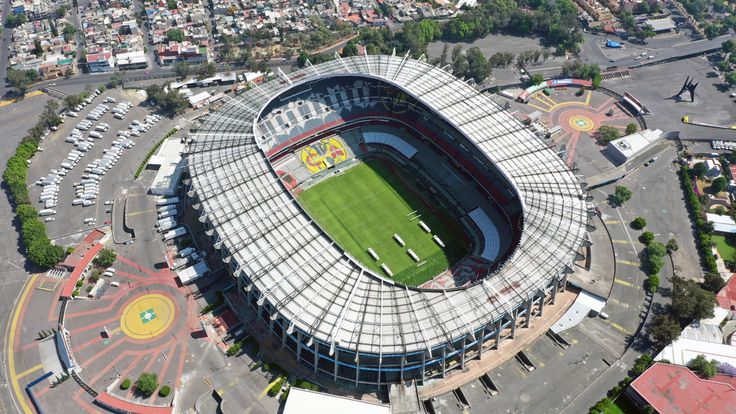
In Mexico City, Estadio Azteca is the stadium staging the opening FIFA match, with a capacity of 87,523 people. In history, it is the only stadium to have hosted matches across three different FIFA World Cups, including the 1970 and 1986 finals and this year's opening match on 11th June. But your visit won't be confined to attending matches—the city's cultural history, consisting of multi-layered UNESCO World Heritage treasures and dining experiences offering street taco culture alongside world-leading fine dining, along with the world-renowned National Museum of Anthropology, will keep you engaged in the city's beauty.
New York / New Jersey
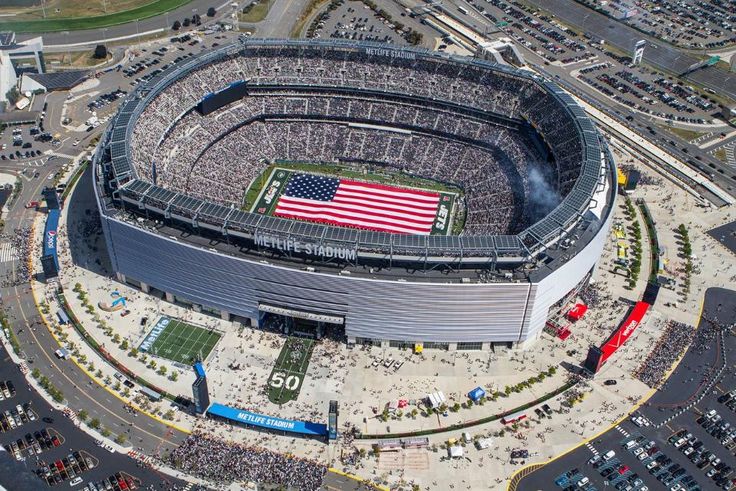
MetLife Stadium in New York is set to host the tournament's biggest matches, including the final on 19th July, with a capacity of 82,500 viewers. Its hosting history includes some very popular sporting events like the Super Bowl, outdoor ice hockey and college football, alongside renowned music concerts. Moreover, the city's appeal lies in its status as a hub of economy, technology, entertainment and media, with landmarks like Times Square and the Statue of Liberty standing as lucrative tourist destinations for visitors.
Toronto
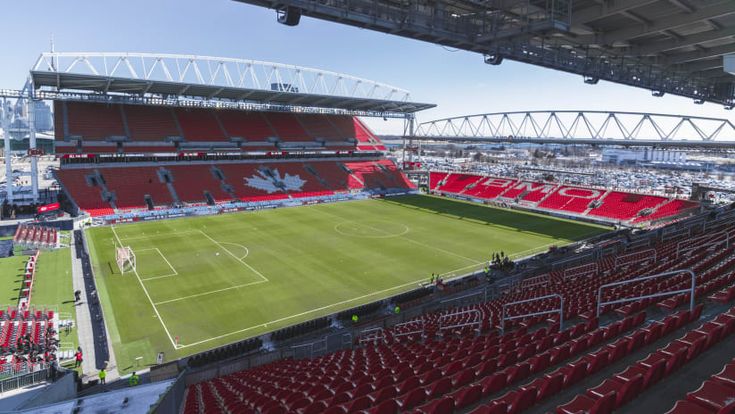
The smallest stadium on the list, BMO Field, has a capacity of 44,315 people and is located in Toronto. This marks Canada's first-ever hosting of a FIFA World Cup match, with the city staging the tournament's second match on 12th June. For fans travelling to attend the matches, the iconic CN Tower and the historic Distillery District are well worth exploring.
Dallas
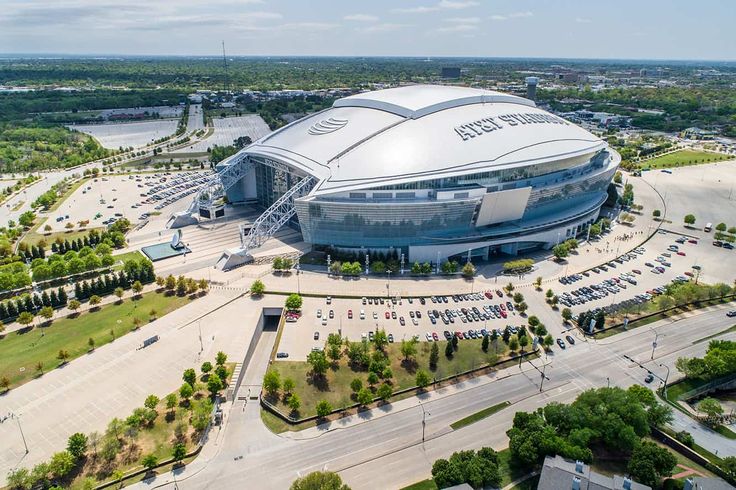
Embodying the sports culture of Texas, Dallas's AT&T Stadium has hosted several major sports and music events. With a tournament capacity of approximately 94,000, it is the biggest among all 16 arenas, featuring technology that feels like a glimpse into the future. Beyond the match, this city offers a range of experiences, from the FIFA Fan Festival at Fair Park, which provides a carnival-like vibe for fans, to the Downtown Arts District, along with Dealey Plaza and Reunion Tower, which take you into the city's history and offer panoramic views.
Los Angeles
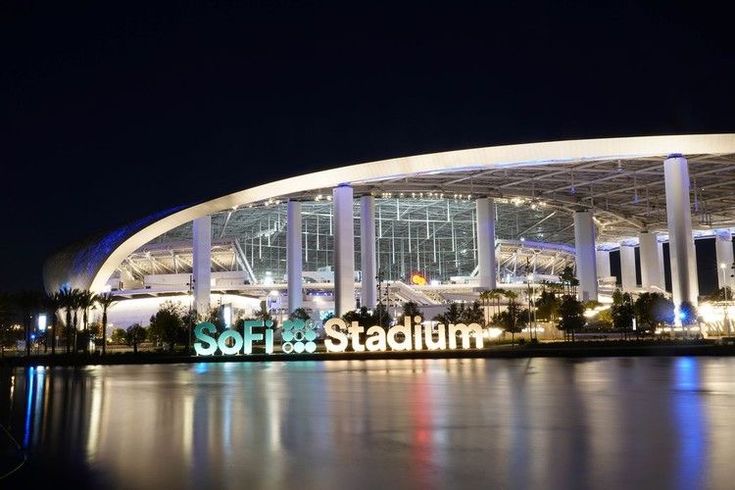
This year, the City of Angels is set to host several of the world's biggest matches at its high-tech stadium, SoFi Stadium, which has a tournament capacity of around 70,000. While you are here to attend the matches, the city ensures you won't waste a single moment waiting around. With renowned attractions like Griffith Observatory, Beverly Hills, Hollywood Boulevard and Santa Monica Pier, your trip to Los Angeles will feel nothing short of a dream come true.
Atlanta
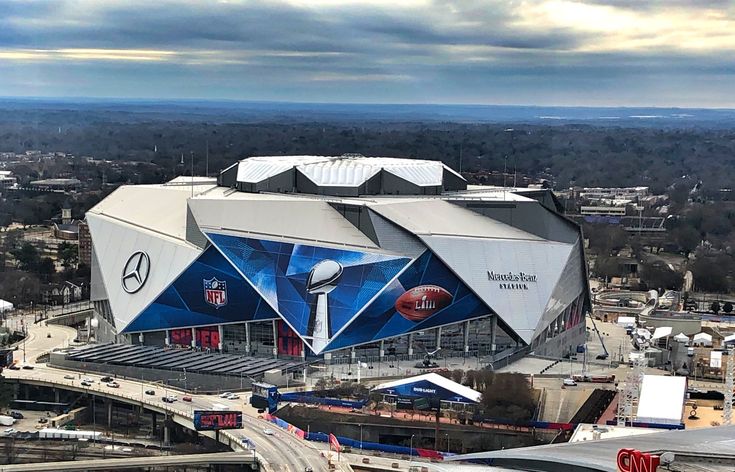
Hosting one of the tournament's semifinals, Atlanta's Mercedes-Benz Stadium holds around 71,000 fans and is widely regarded as one of the most architecturally striking venues in the competition. Beyond football, Atlanta offers the World of Coca-Cola, the Georgia Aquarium—one of the largest in the world—and a thriving food scene rooted in Southern hospitality.
Miami
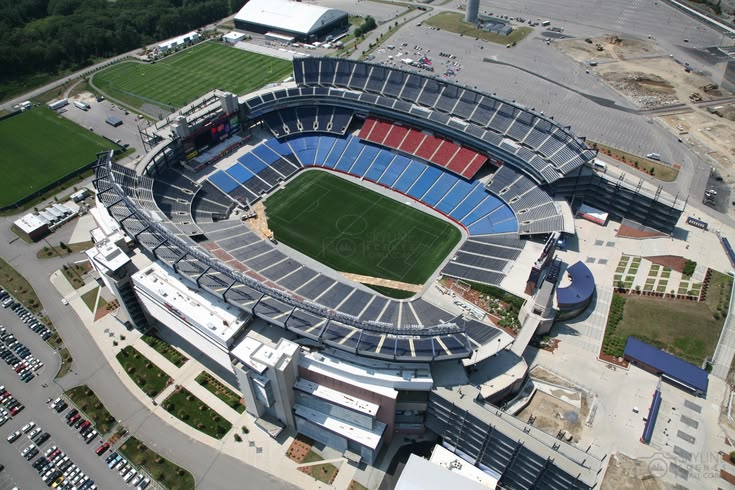
Miami's Hard Rock Stadium, with a capacity of around 65,000, will host the tournament's third-place playoff along with a quarterfinal. The city's appeal extends well beyond the pitch, with South Beach's white sands, vibrant nightlife, and a Latin American cultural energy that runs through its food, music and architecture, particularly in neighbourhoods like Little Havana.
Boston
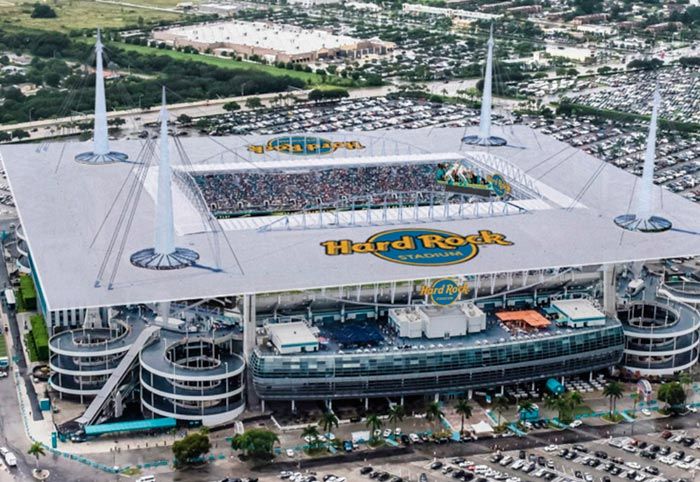
Gillette Stadium, with a tournament capacity of approximately 65,000, will host a quarterfinal in Boston. One of America's oldest and most historic cities, Boston offers the Freedom Trail, Harvard University, and a rich Revolutionary-era heritage that makes it an easy and rewarding addition to a New York trip.
Vancouver
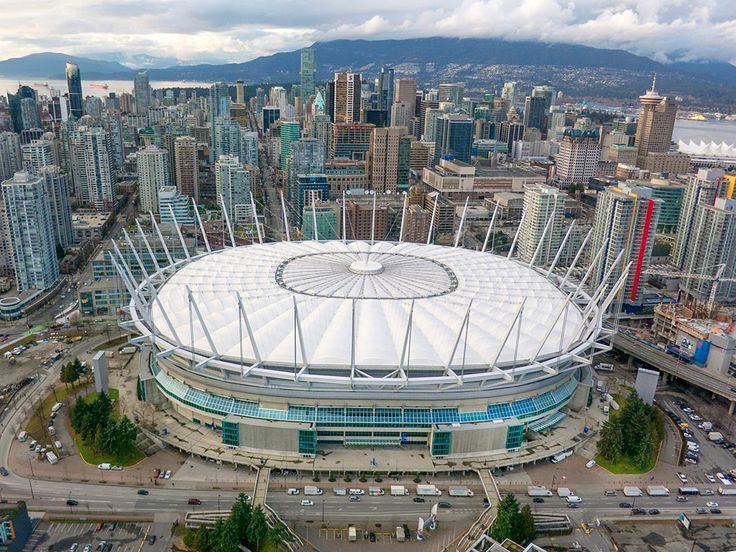
Alongside Toronto, Vancouver marks Canada's historic World Cup debut, with BC Place hosting matches at a capacity of around 54,000. The city stands out among all 16 hosts for its scenery alone, where mountains meet the ocean, offering fans a striking natural backdrop to pair with the tournament's energy.
San Francisco Bay Area
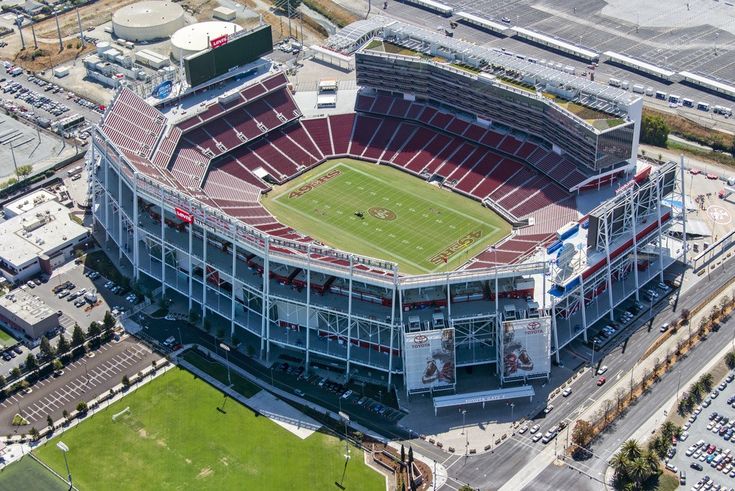
Levi's Stadium, with a capacity of around 68,000, will host group stage and knockout matches in the Bay Area. Visitors can pair their match-day experience with the Golden Gate Bridge, the cable cars of downtown San Francisco, and a glimpse into Silicon Valley's tech culture.
Final Thought
Attending the FIFA World Cup matches is a luxury not everybody can afford, but what feels more disappointing is not being able to enjoy the visit to its fullest extent—mostly because of our ignorance of the surroundings or limited time. So take precautions this year and learn about the history of the places you are going to stay. Because within just a few miles of your stay, there can be a place known for its historical value, cuisine that everyone longs for, and scenery that feels surreal.