
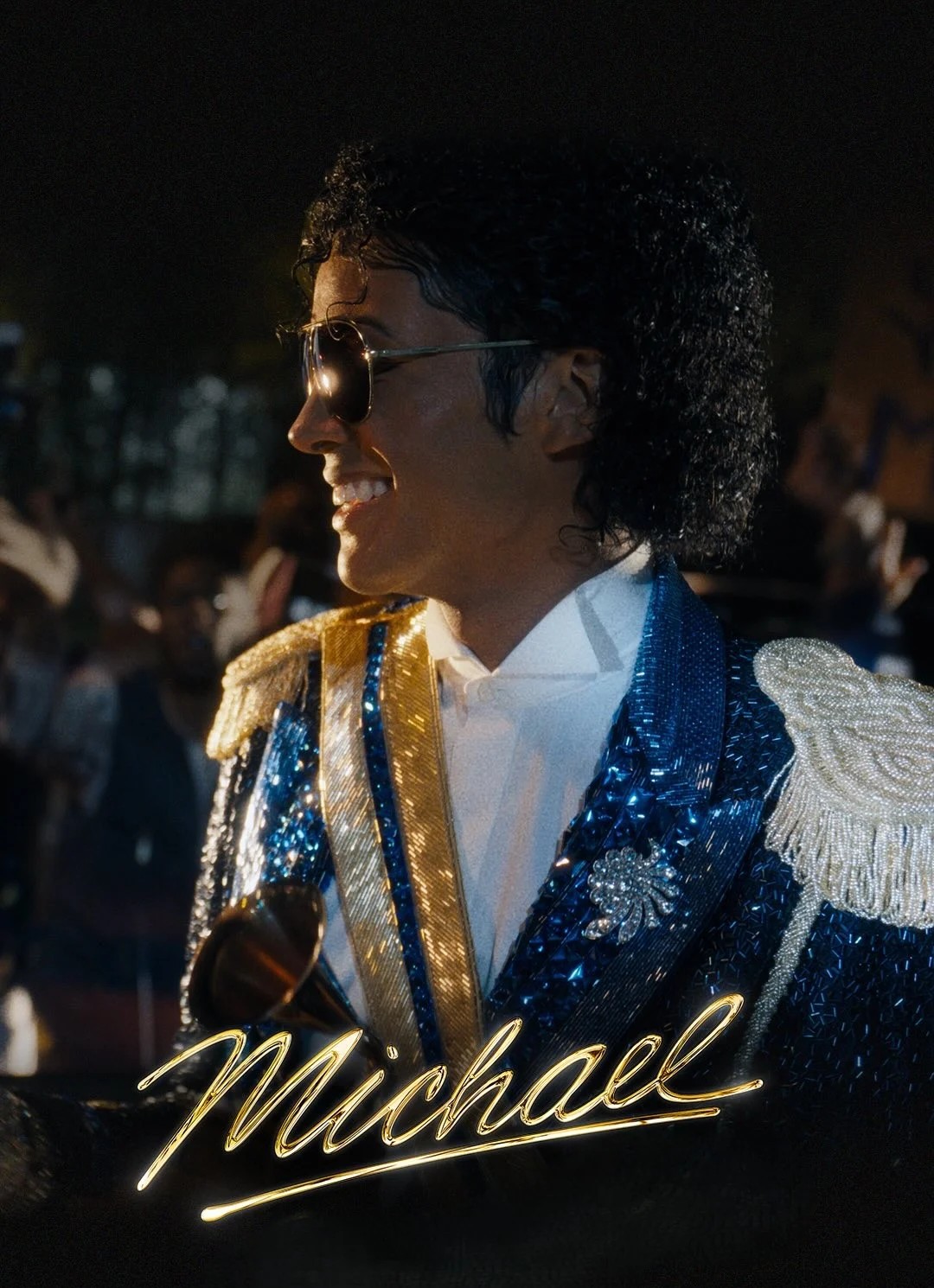
“King of Pop", “Greatest Entertainer of All Time", “the best to ever walk on this earth”—you know how big of a phenomenon it is when you are known by these titles rather than your actual name. Michael Jackson is someone who doesn’t need an introduction. A global phenomenon, with fans all around the world, from cities to even remote tribes who may not have known the outside world but knew Michael Jackson.
The Tragedy Behind the Stardom
But behind the scenes, the glamorous life of Michael Jackson was nothing short of a tragedy. Despite all the hardships, he kept going—the epitome of “the show must go on". His biopic, Michael, attempts to bring this contrast to the screen, offering a deeper reflection into his life and how his story truly began.
With Jaafar Jackson, the son of Jermaine Jackson and nephew of Michael Jackson, playing the titular role, the film achieves something rare; he doesn't just act, he becomes him. His performance carries the emotional weight of the narrative, grounding the film even when it leans heavily into dramatisation.
A Childhood Built on Discipline and Pain
Michael’s father, Joseph Jackson, can be seen as the man who fuelled his children’s passion for music, but the way he did it was deeply troubling. Determined not to remain a poor Black family in America, he imposed this burden on his sons, leading to the formation of The Jackson 5.
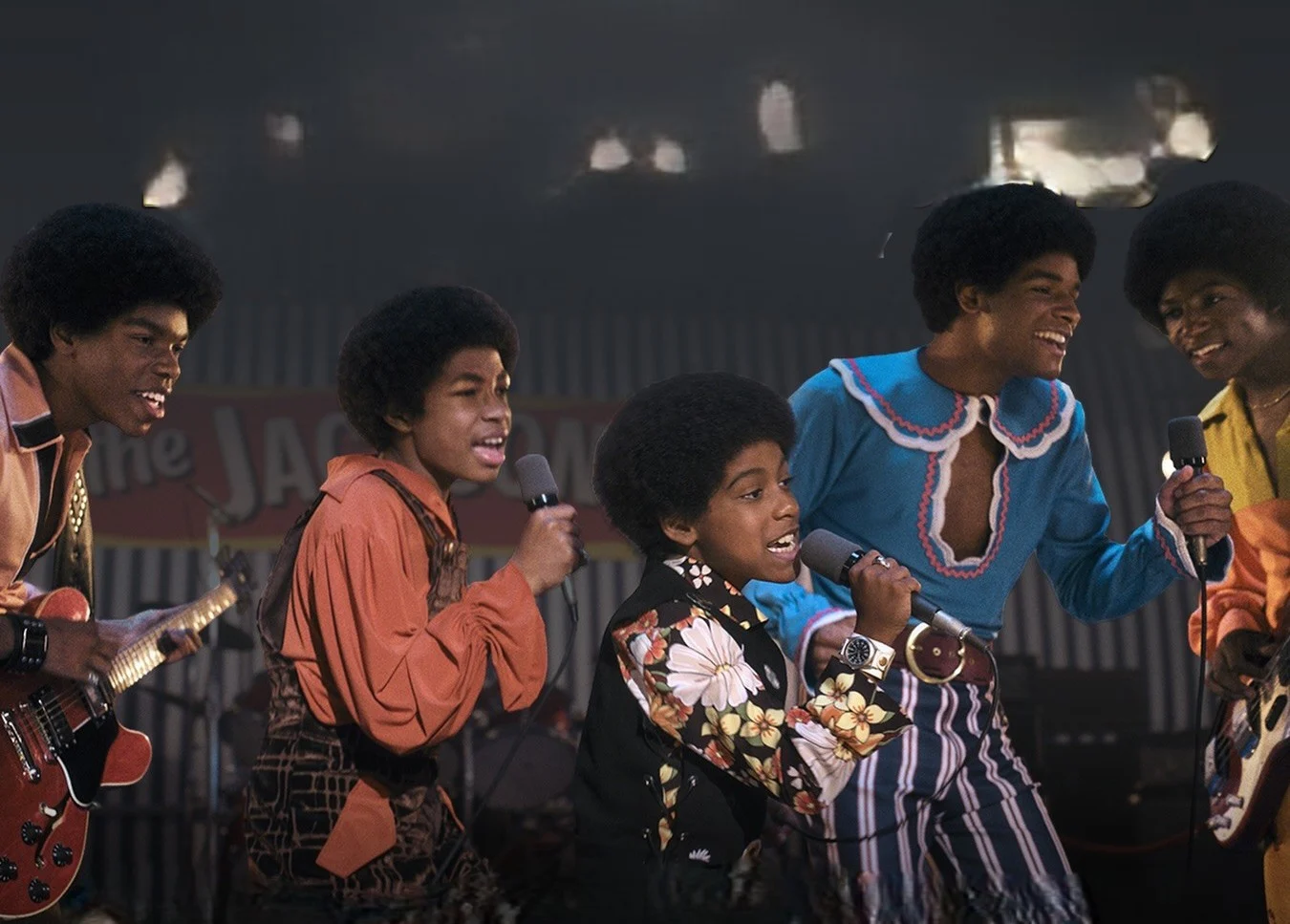
What followed was relentless hard work—constant practice, endless rehearsals, no breaks, and no childhood joys like Christmas celebrations. The film does not shy away from showing the harsh reality: the physical abuse, the beatings with a belt, and the emotional scars. Michael was even mocked for his appearance, being called names like “big nose", something that later influenced his decisions about his appearance.
While these sequences are difficult to watch, they are crucial in shaping the emotional core of the film. At times, however, the narrative lingers more on events than on their psychological impact, slightly limiting the depth it could have explored. Still, his talent shines through unmistakably, leading to The Jackson 5’s first big break.
Breaking Free and Creating History
His real sense of freedom came when he decided to step out as a solo artist, which wasn’t easy. His father insisted he dedicate his time to the band first, allowing him to work on his own music only if he had any energy left. But Michael didn’t back down; he wanted to show the world his art.
And from that determination came Thriller—the best-selling album of all time.
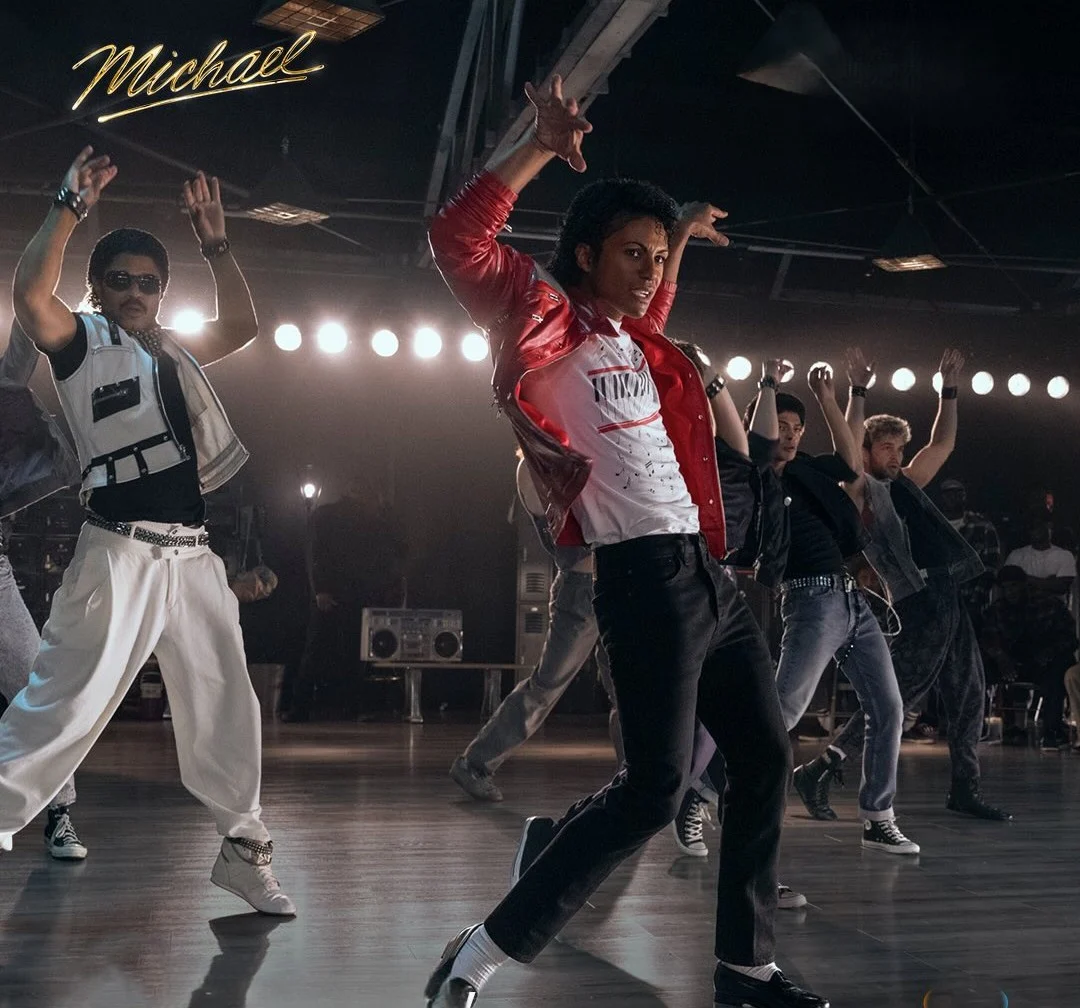
The film captures this phase with visual richness, from the conceptualisation of the album to the creation of iconic music videos and the struggle to get his work played on MTV. What follows is a record-breaking night at the Grammys. While these moments are engaging, they occasionally feel rushed, as the film tries to cover a vast timeline within limited space.
The Man Beyond the Spotlight
Beyond the fame and record-breaking success, Michael Jackson was also a man navigating deeply personal battles. The film sheds light on his struggle with vitiligo, portraying it with sensitivity, while also highlighting the public scrutiny and misunderstanding that came with it.
What stands out even more is his compassion. Despite the pressures of his own life, he consistently chose to give back, donating to charities, supporting humanitarian causes, and using his platform to bring attention to issues that mattered. These quieter moments add emotional balance to the film, reminding us that behind the larger-than-life persona was someone who cared deeply about people.
The Turning Point
The film also captures the infamous Pepsi commercial accident, an incident that changed his life forever. During the shoot, his hair caught fire, causing severe damage to his scalp and nerves, ultimately forcing him to wear a wig.
But even in that moment of pain, Michael saw something else. While in the hospital, surrounded by people suffering, he chose not to dwell on his own tragedy. Instead, he saw it as a second chance—a moment of rebirth. He decided to dedicate himself to making people happy through his art, to contribute to humanity in whatever way he could. This shift is portrayed as a defining emotional turning point in the film.
A Performance That Feels Real

Jaafar Jackson delivers an incredible performance. His acting is phenomenal—he captures Michael’s voice, mannerisms, and presence with striking accuracy. Combined with the exceptional work of the makeup team, there are moments where it genuinely feels like you’re watching Michael Jackson himself on screen.
A Legacy That Lives On
Michael Jackson’s legacy will live on forever. His impact across generations is something that cannot be replaced, something truly irrevocable. But beyond the records, the awards, and the global fame, what stays with you after watching Michael is the man himself: flawed, vulnerable, yet relentlessly passionate about his art.
The film doesn’t just celebrate his greatness; it reminds us of the cost that came with it, the pressure, the pain, the sacrifices. While it may not explore every layer with equal depth, it succeeds in leaving an emotional impact. In the end, Michael leaves you with a mix of admiration and heaviness, a reminder that behind every legend is a human story, often far more complicated than the spotlight allows.