
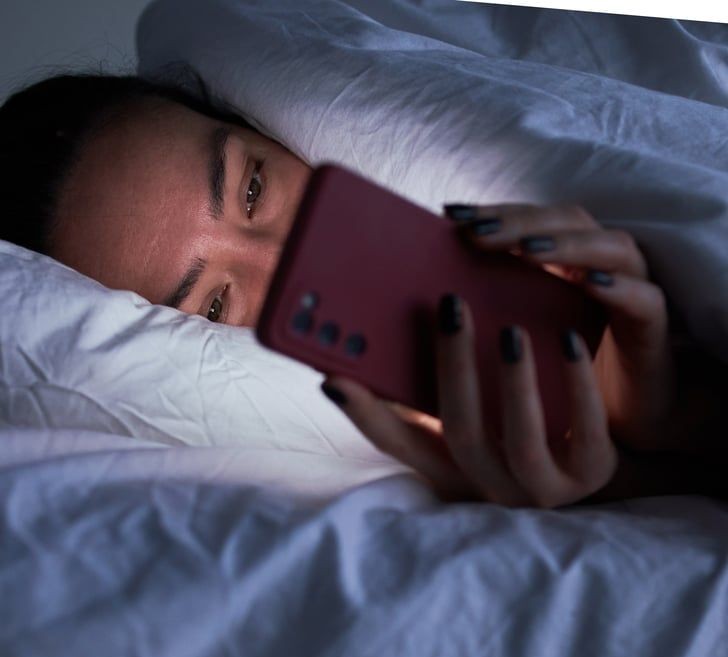
You are tired. Your eyes are heavy. Work starts early tomorrow. And yet you are still awake, watching one more video or scrolling one more feed. This pattern has a name. Psychologists call it revenge bedtime procrastination, and real psychology explains why it happens.
A Name for a Familiar Habit
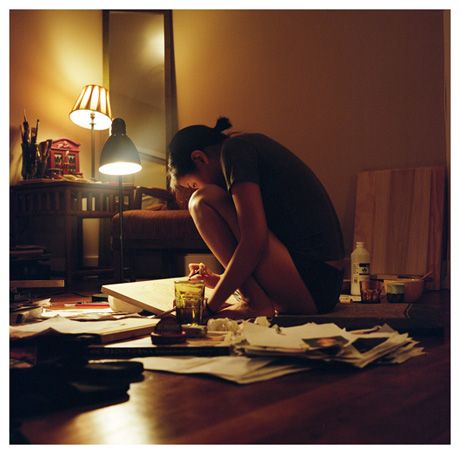
The term comes from a Chinese phrase that means "retaliatory staying up late." It describes people who spend the whole day on tasks they did not fully choose, then take back some free time at night, even at the cost of sleep. This delay in going to bed has been linked to low self-regulation, not laziness or poor discipline. In other words, it is less about not wanting to sleep and more about not wanting to give up the only free time in the day.
Why Willpower Runs Out at Night
Self-regulation is your ability to manage your own behavior. This ability tends to weaken the longer the day goes on. So by the time you reach bed, your willpower is already worn down from a full day of decisions and demands. That is exactly when you have to resist the urge to keep scrolling or watching one more episode, making the temptation much harder to fight than it would be earlier in the day.
The Feeling Behind the Habit
There is also an emotional side to this. Many people describe a quiet feeling of defiance behind it. After a day full of obligations, staying up feels like reclaiming something that belongs to you. It is not really about hating sleep. It is about not wanting to let go of the only free hours you had. This is why the choice often does not feel like a mistake in the moment. It feels like a small act of control over your own time.
How Modern Life Feeds the Pattern
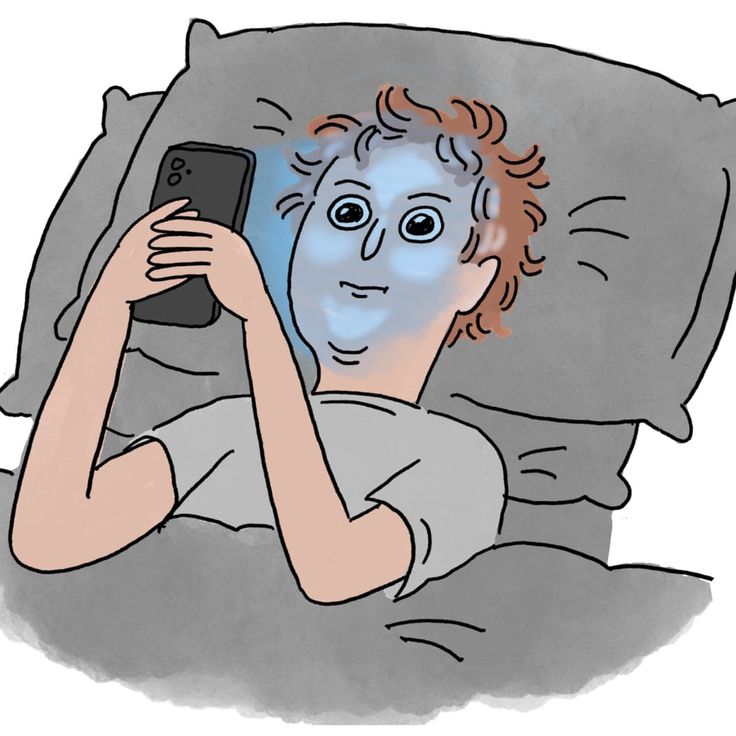
Long work hours, jobs that blur into evenings, and family responsibilities leave many people with almost no time for themselves during the day. By the time everyone else's needs are met, night can feel like the only space left. Screens make the problem worse. Shows, reels, and social feeds are built to keep you watching, so stopping takes even more effort than it once did.
What Actually Helps
This is why willpower alone rarely fixes the problem. Telling yourself to "just go to bed earlier" ignores the real reason behind the behavior. A more useful approach is to protect small pockets of free time earlier in the day, so night is not the only moment that feels like yours. Reducing stress during the day, taking short breaks, and setting a gentle plan for the evening can also make it easier to actually follow through on sleep. If you stayed up too late last night, be kind to yourself. Drink water, eat well, take a short walk if you can, and try to rest earlier tonight.
Feeling exhausted but still wide awake is not a character flaw. It is a very human response to days that leave little room to breathe.