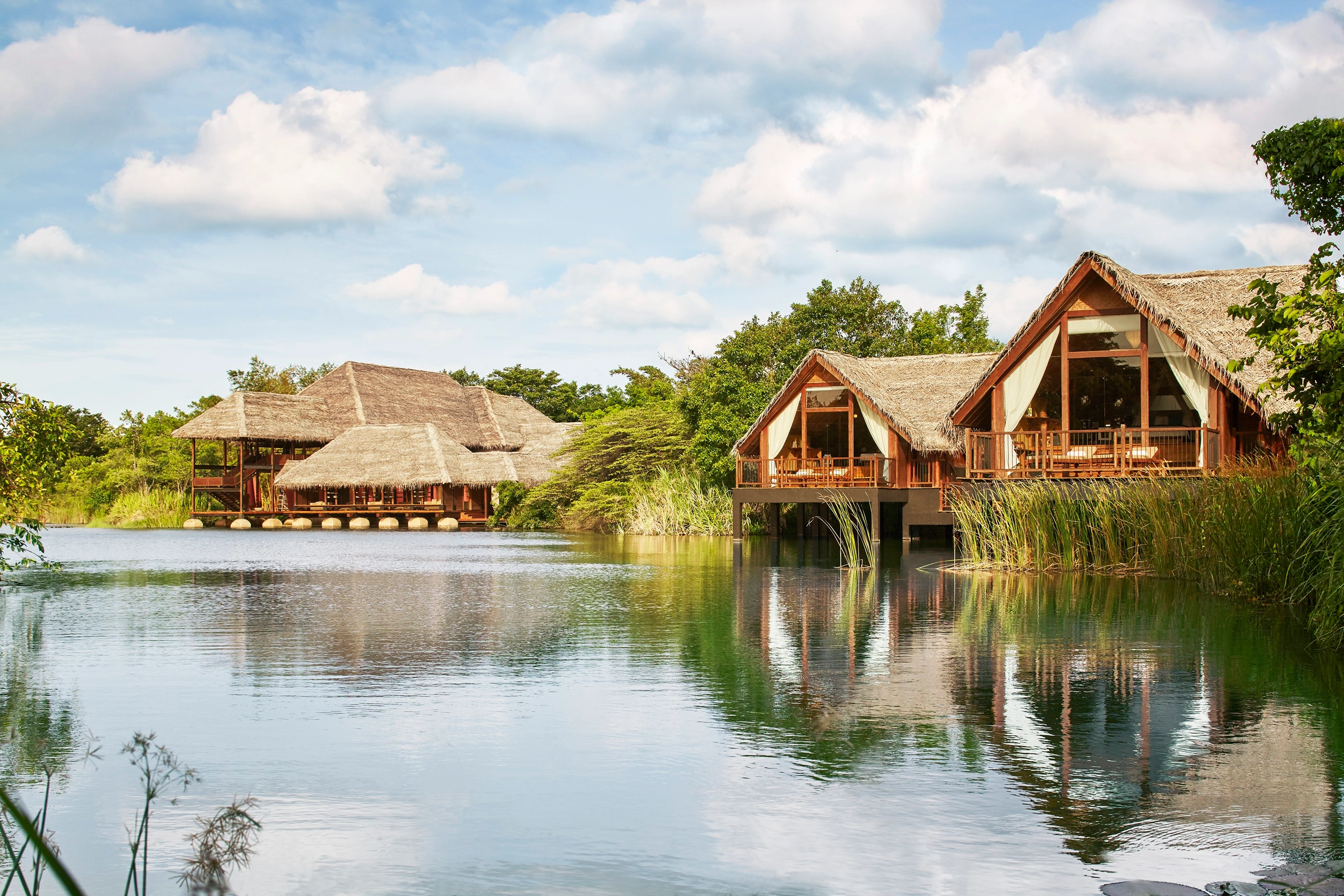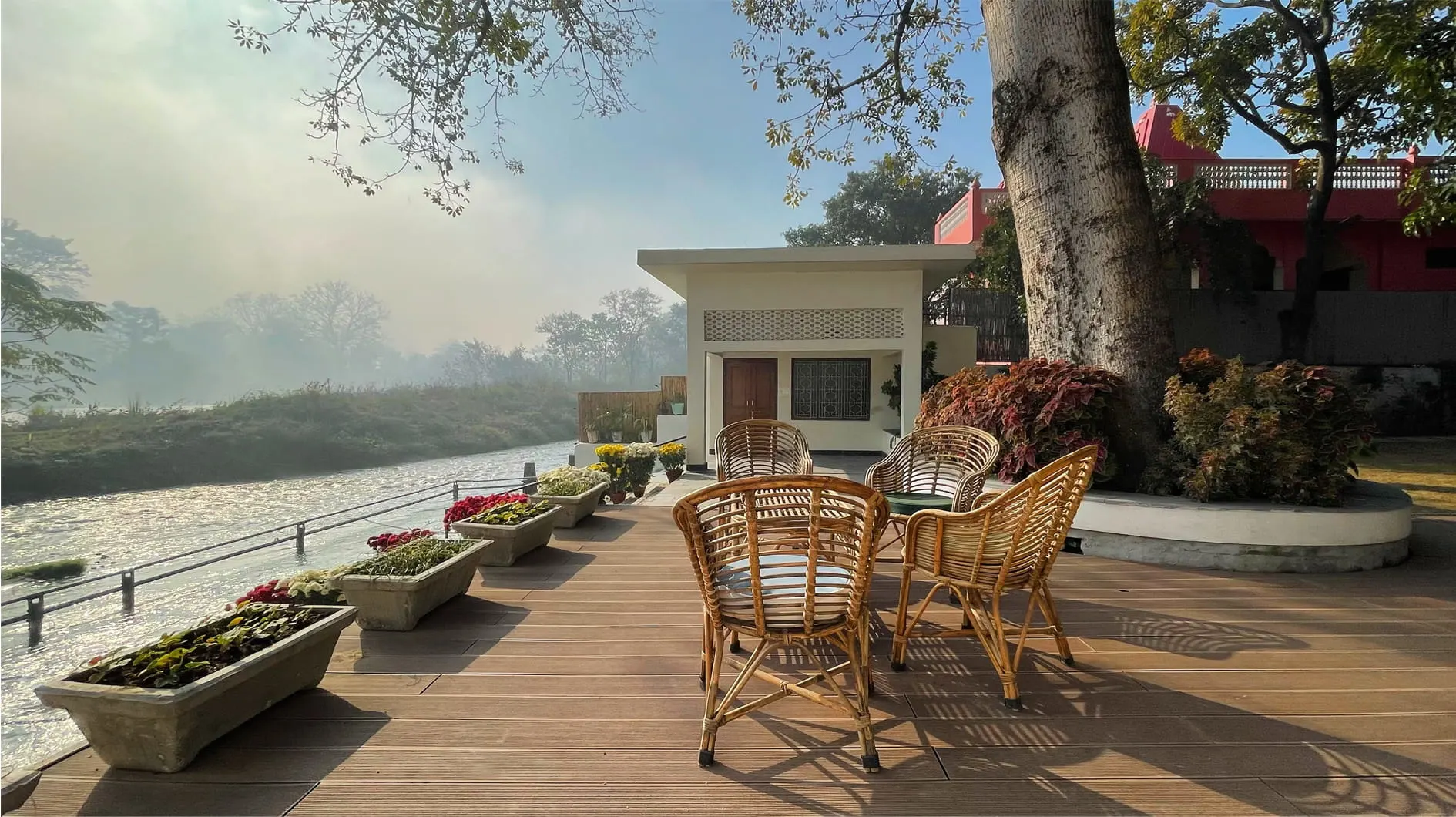
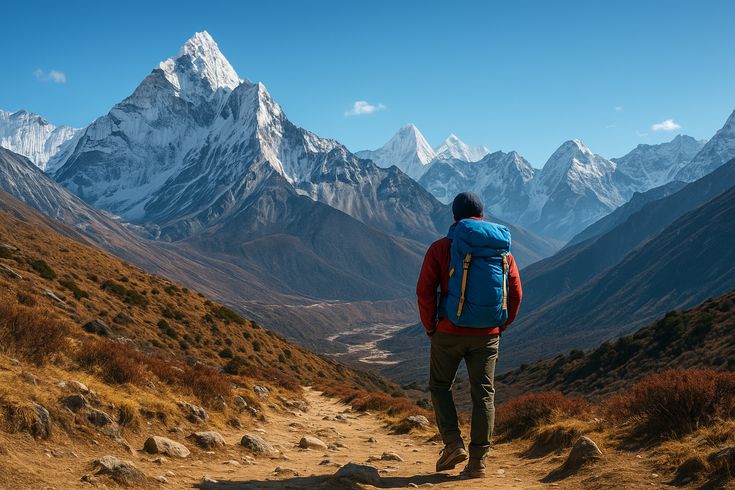
Every summer, the usual suspects like Manali, Shimla, Munnar, and Coorg fill up fast. Hotels are booked out months in advance, roads are clogged, and whatever peace you were chasing gone before you arrive. India has quieter corners, though. Places that most people scroll past. These five hill stations are genuinely worth the detour, and most of them still feel like a secret.
Shoja, Himachal Pradesh
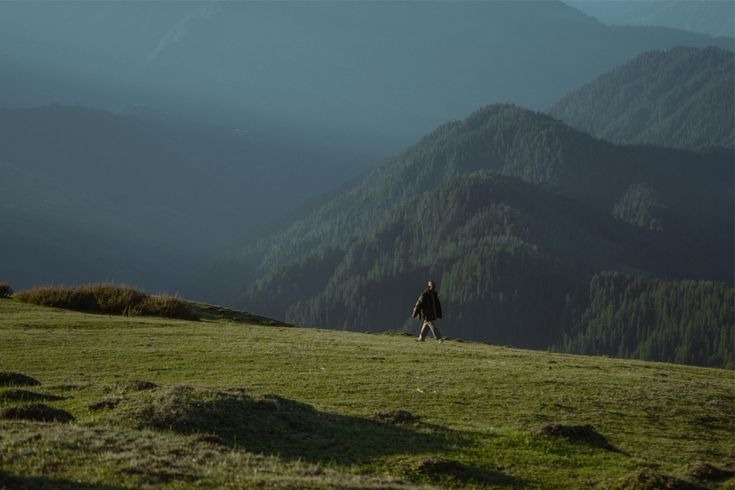
Why It's Special: Shoja still feels untouched compared to nearby Himachal hotspots. Tucked in the Seraj Valley at around 2,700 metres, Shoja sits between Jalori Pass and the Tirthan Valley. There is no mall road here, no souvenir shops, and very few tourists. The meadows open into dense oak, deodar, and rhododendron forests that most visitors never reach.
Best Time to Visit: April to June and September to November.
Major Attractions: Jalori Pass (5 km away), Serolsar Lake (a 5-6 km trek from Jalori Pass), Raghupur Fort ruins above the treeline
How to Reach: Fly to Bhuntar Airport near Kullu. From there, hire a cab to Shoja. It is roughly 58 km, about 2.5 hours by road.
Ideal Duration: 2 to 3 nights.
Ziro, Arunachal Pradesh
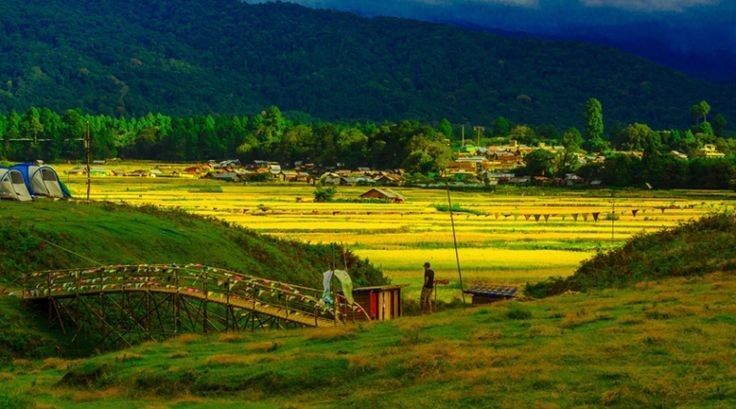
Why It's Special: Ziro sits in a wide, flat valley at around 1,500 metres, home to the Apatani tribe, whose sustainable farming practices and pine-covered hills make it unlike anywhere else in the country. The valley is included in UNESCO’s tentative World Heritage list, and yet most travellers have barely heard of it.
Best Time to Visit: March to October. The Ziro Music Festival takes place every September and is worth planning around.
Major Attractions: Talley Valley Wildlife Sanctuary, Apatani villages of Hong and Hari, Dolo Mando viewpoint, Paddy-cum-fish cultivation fields, Kardo Shiva Linga
How to Reach: Fly to Lilabari Airport in Assam, then drive about 130 km to Ziro (3-4 hours). An inner line permit is required for non-Arunachali visitors. Arrange it in advance online.
Ideal Duration: 3 to 4 days.
Kalpa, Himachal Pradesh
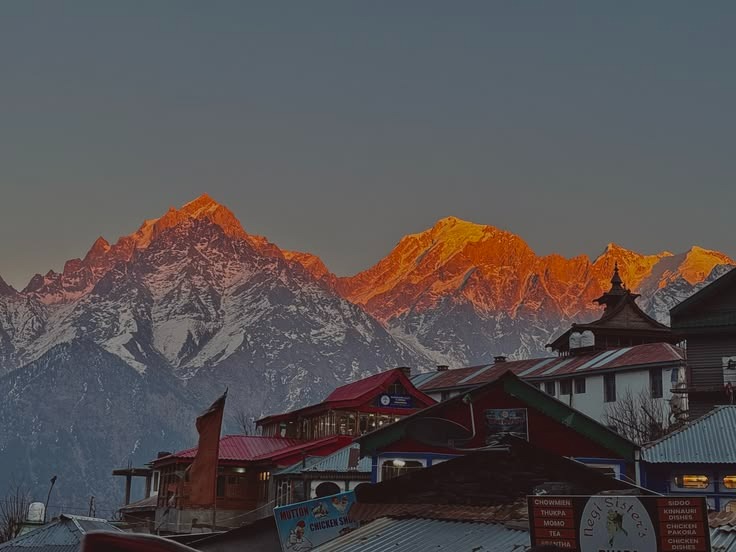
Why It's Special: Most travellers pass through Reckong Peo on their way to Spiti and never stop at Kalpa, just around 14 km away. Sitting at 2,960 metres, the village has a direct, unobstructed view of the Kinnaur Kailash range. Sunrises from here are the kind people travel much further for.
Best Time to Visit: April to June and September to November. Road closures and heavy snowfall are common in winter.
Major Attractions: Kinnaur Kailash viewpoint, Roghi village walk (6-7 km), Hu-Bu-Lan-Kar Monastery, old apple orchards along the village lanes, Chaka Meadows
How to Reach: Delhi to Shimla by bus or train, then Shimla to Reckong Peo by HRTC bus or cab (around 7-8 hours). Kalpa is around 14 km from Reckong Peo by road.
Ideal Duration: 2 to 3 nights.
Yercaud, Tamil Nadu
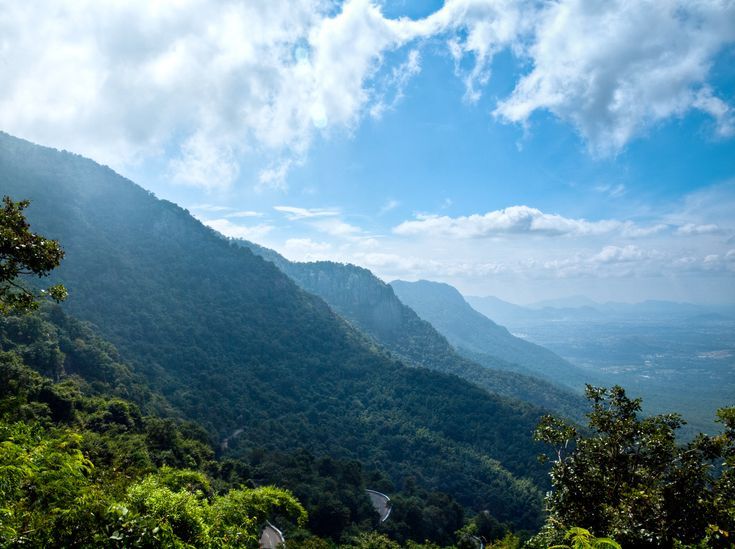
Image Courtesy: Pinterest/@Ancient Terminus
Why It's Special: Sitting at 1,515 metres in the Shevaroy Hills of Salem district, Yercaud is covered in coffee and orange plantations. It has the altitude and the greenery of its more famous Nilgiri neighbours, with a fraction of the crowds and a much lighter load on your wallet. The drive from Salem to Yercaud climbs through 20 hairpin bends, with views of coffee plantations and misty hills along the way.
Best Time to Visit: October to June. The annual Yercaud Summer Festival in May draws local visitors and is a good excuse to go.
Major Attractions: Yercaud Lake (Emerald Lake), Lady's Seat viewpoint, Pagoda Point, Killiyur Falls, Anna Park
How to Reach: Salem is well connected by train and road from Chennai and Bengaluru. Yercaud is 32 km from Salem town, about an hour by cab up the ghat road.
Ideal Duration: 1 to 2 nights. Good for a long weekend.
Lepchajagat, West Bengal
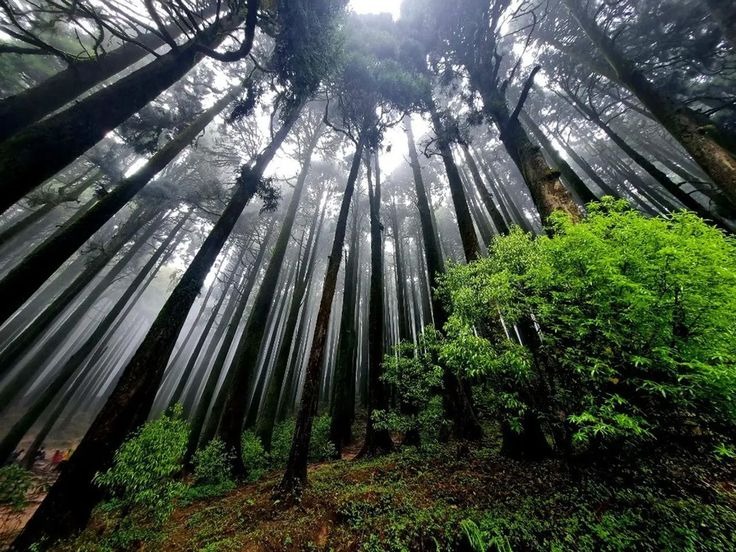
Why It's Special: About 13 km from Darjeeling, Lepchajagat is a forest village at around 2,123 metres. A handful of homestays, silver fir trees, and a clear Kanchenjunga view on good mornings give the place an almost dreamlike stillness. The facilities are minimal, which is part of its charm. There are no crowded markets or packed sightseeing spots here, just long forest walks, cold mountain air, and the kind of silence most hill stations lost years ago.
Best Time to Visit: March to May and October to December.
Major Attractions: Tiger Hill (the highest point in the Darjeeling Himalayas, offering unparalleled views of Mt. Everest and Kanchenjunga at sunrise), Jorepokhri Lake
How to Reach: Fly to Bagdogra International Airport (IXB) or take a train to New Jalpaiguri (NJP). From NJP, a shared or private cab to Lepchajagat takes about 3.5 hours.
Ideal Duration: 2 nights is ideal.
Why These Places Are Worth Visiting Now
These hill stations offer a quieter kind of summer escape, far away from the crowds and chaos of popular tourist spots. From the pine-covered valleys of Ziro and the peaceful forests of Lepchajagat to the mountain views of Kalpa and the hidden trails around Shoja, each destination has its own charm. Yercaud adds a southern touch with its coffee plantations and relaxed atmosphere. For travellers looking to escape the heat without packed roads and overcrowded hotels, these lesser-known hill stations offer the perfect mix of nature, peace, and slow travel.