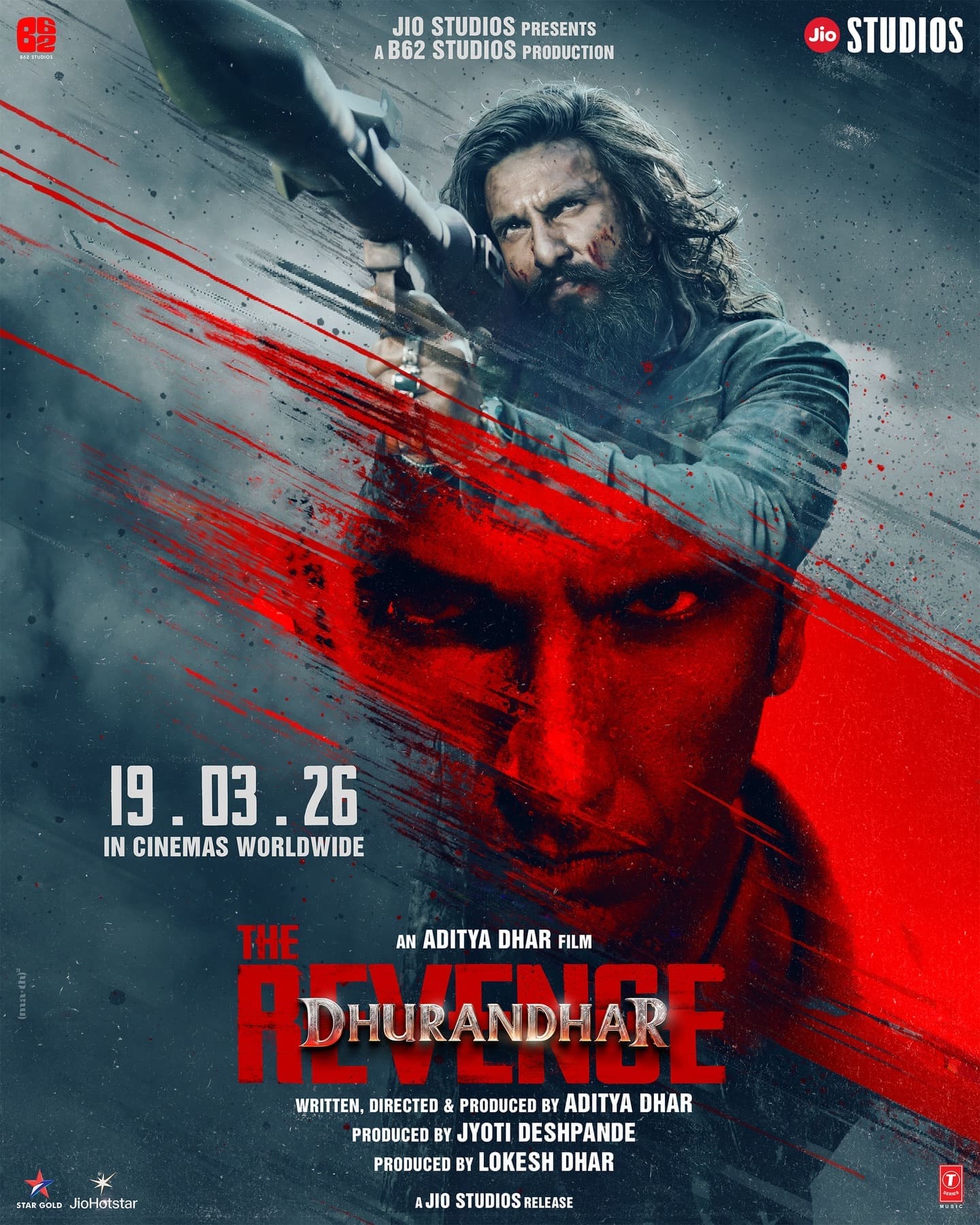

There are films which revive real cinema and make it to the heart of the viewers. Such films are not made but eventually 'happen' for a reason. Dhurandhar – The Revenge is unmistakably one of the best makes for the new age Indian audience.
The Beginning: The Storytelling Is a Sequential Blow-Up
Long before you kind of settle down on your seat, even before you take the first bite from your tub of popcorn, everything freezes and you land in a dangerous backstory answering all 'whys'. A haunting story of Major Jaskirat is why he turned into a baddie and what followed.
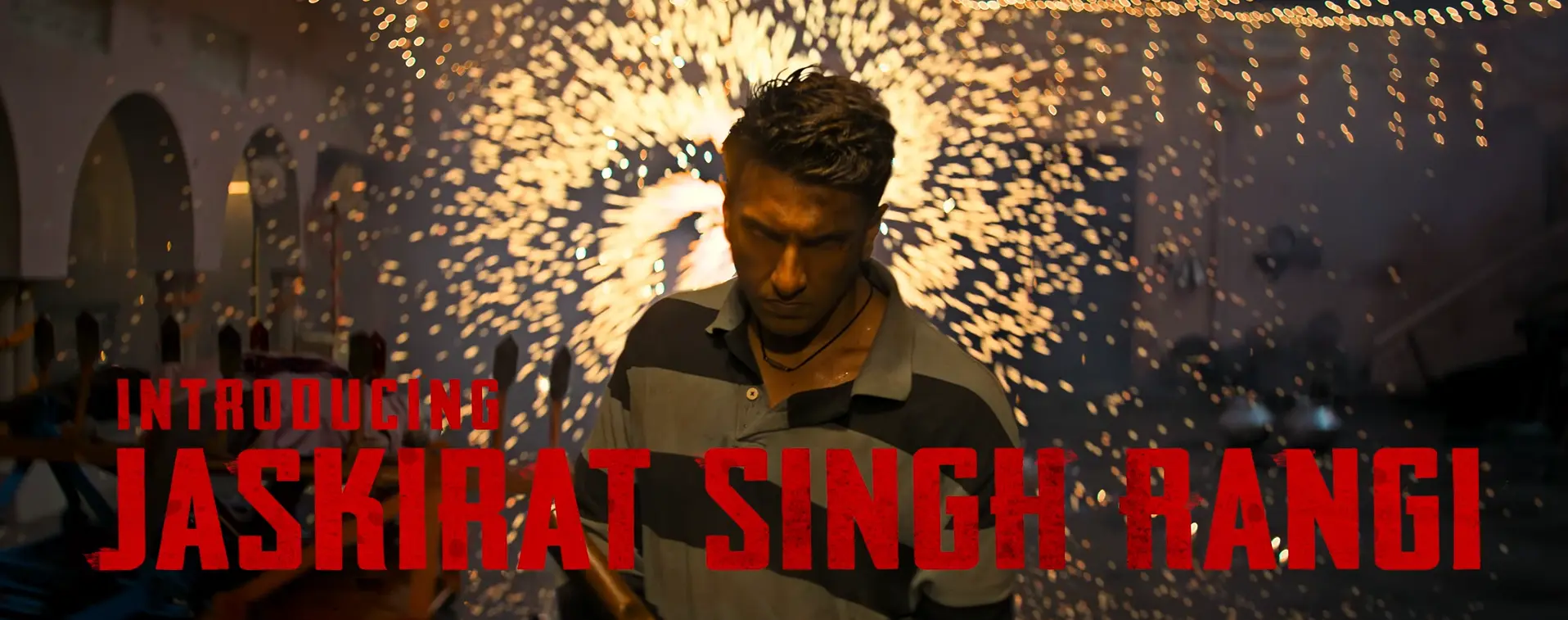
Aditya Dhar has strikingly placed a heartfelt revenge for Ranveer's character. Tears roll down your cheek amidst the flesh and blood on-screen. Yet, it makes you empathise with the young Jassi. Congratulations! You're now a witness to the bloodshed that is about to happen on screen.
Sound and Fury: Aditya Dhar's Genius Use of 80s and 90s Bollywood Music
It's essentially important for us to pause, breathe and appreciate Aditya Dhar's love for the Bollywood music. THIS deserves its own standing ovation. His intention of introducing the magic of the 80s and 90s to the audience of today is pure genius! Shashwat Sachdeva has earned respect for appreciating the charm of cult tracks and only made the tracks better. For the millennial generation, trust us, you are NOT YET ready for THIS!
The masterstroke was swapping conventional background scores for iconic love songs from the old days for the fight sequences. The choreography of violence could've felt cold and tense; Dhar has flooded the screen with warm flashbacks to the good old time, yet bringing the audience closer to the storyline. The contrast is harsh, undeniably announcing the arrival of brilliant storytelling.
For instance, for Sanjay Dutt's last sequence, Tamma Tamma fills the theatre with a pulsing, ridiculous, utterly iconic anthem, leaving the audience to choose whether to laugh, to cry, or to stand up and cheer. Most do all three. It is Dhar saying the narrative does not have to be grim to be devastating. The good vibes make the gut punch land harder. Now that is mastery!
Every Death. Every Date. Every Dot Connected.
Dhurandhar is obsessive in the most thrilling way possible. The assassinations at the heart of this film are forensically constructed events. So everything that you watch has its own date, a method and a specific logic which is so surgical that you sit up straighter in your seat and start doing the arithmetic yourself.
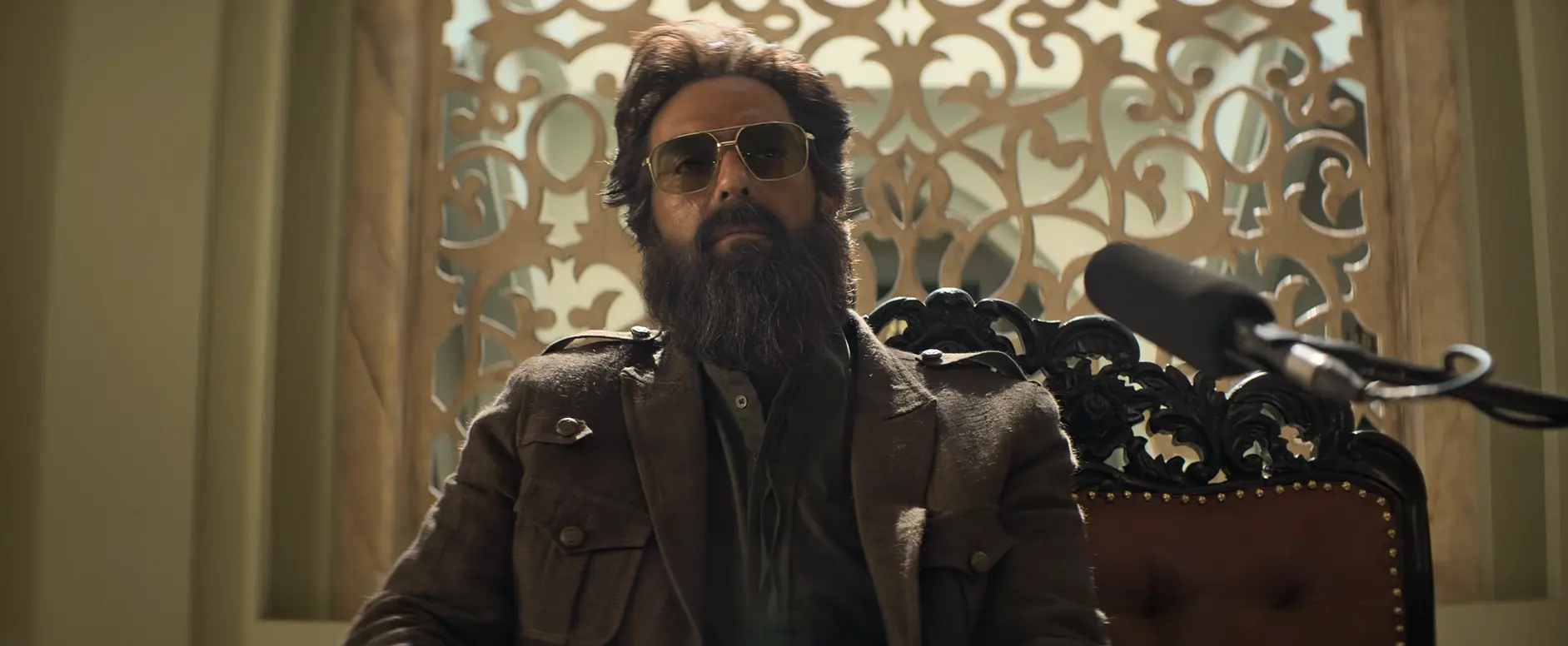
How deeply were the targets chosen? How precisely were they eliminated? Dhar answers both questions with the confidence of someone who has lived inside this story for years. The details are dreadful. By the third kill, you realise that not even a single assassination was an accident. Instead, every exit was planned to the comma.
The Surreal Casting: Every Frame, Every Face, Every Character
This is one of the best Bollywood works, which carries a casting brilliance. Every single person who appears on the screen for the briefest appearance showcases the most peripheral presence. These feel like the real profiles playing their role in biographic appearance. So close to the real profiles to feel documentary. Heightened enough to feel cinematic. It is a tightrope walked with extraordinary grace.
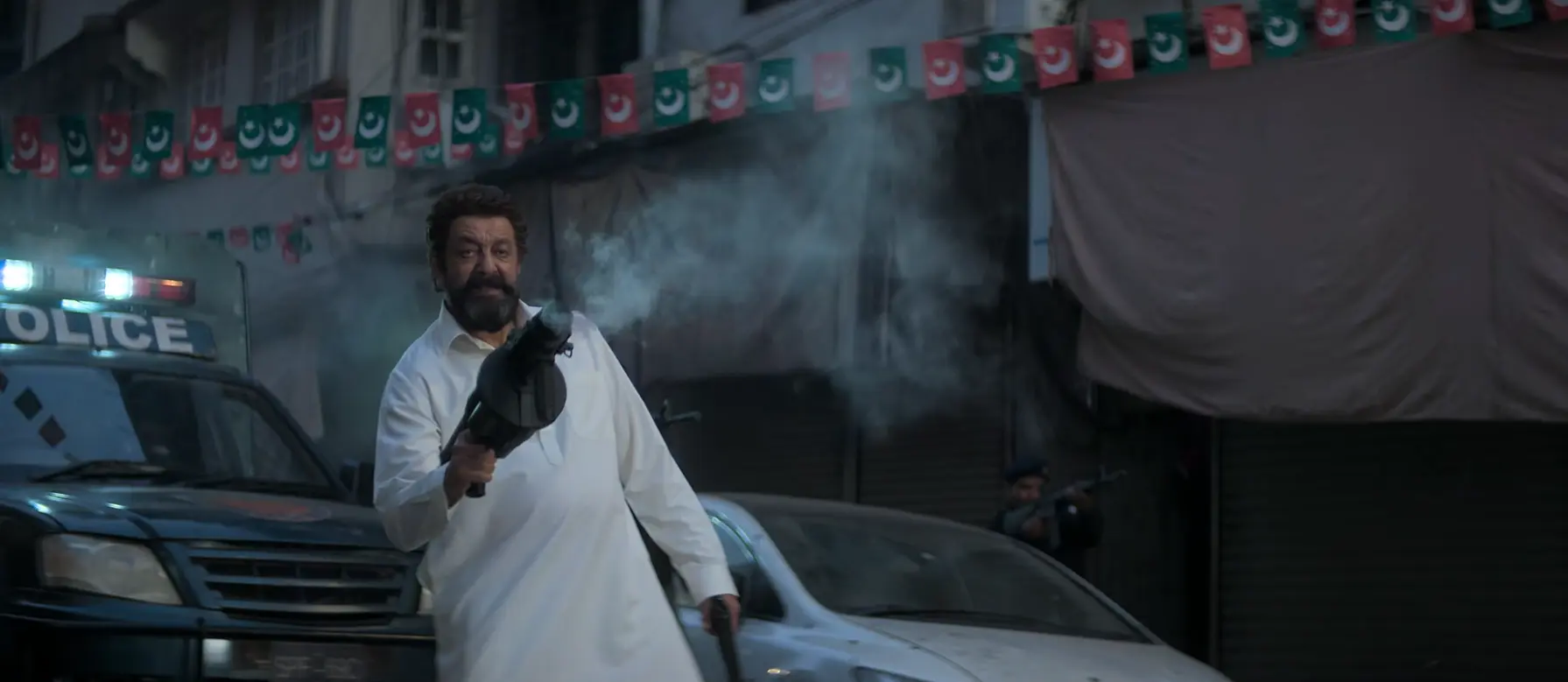
You watch a supporting character deliver two lines and think that person has lived this life. All of this cannot be 'a chance'. But a director's hard work who sweated every single frame, including the ones most directors leave to chance.
Second Half: Screaming 'There Is More Than You Think There Is'
If the first half is long, it is a deliberate pull of a bowstring which sets the stage; the second half is the release and a realistic landing at the right pace, place and time. The arrow did not miss. Post-interval, Dhurandhar blasts in waves and makes you jump from your seat with quite a few 'oh damn' and countless moments of surprise. The director has engineered a second half that keeps escalating without ever feeling exhausting. Each peak clears the bar of the last. The pacing is relentless but never breathless. You aren't tired at the end. You are electrified.
Performances That Refuse to Be Forgotten
Dhurandhar lives and breathes through its performances. But two performances demand special mentions for the precision and finesse.
Ranveer Singh as Hamza Ali Ansari
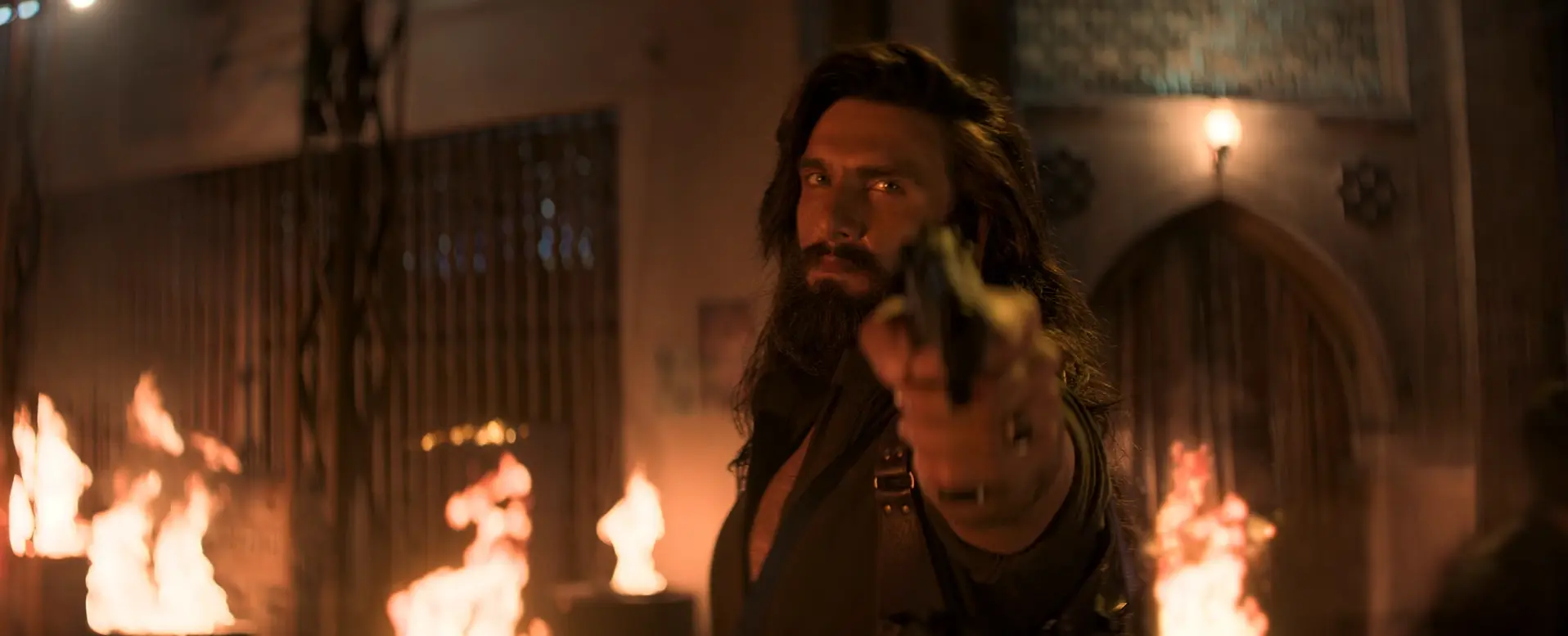
Ranveer inhabits this role the way a flame inhabits a room. Consuming all the oxygen, but somehow still giving light. His physicality, fury, and the rare moments of stillness where grief surfaces beneath the rage. His hard work is prominent on screen, where, while he seeks revenge, he is a consequence for all that went down to make Hamza Ali Ansari.
Rakesh Bedi as Jamali
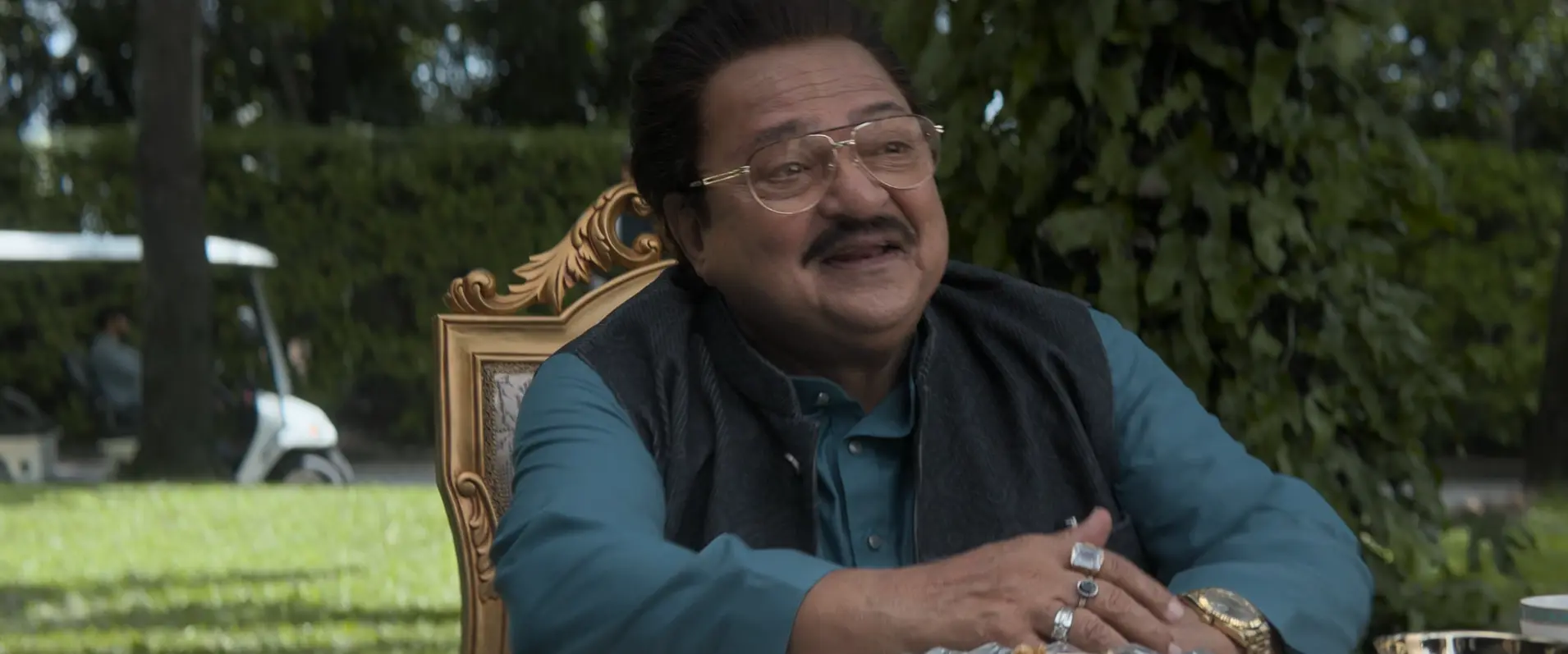
Take a bow, sir! Rakesh Bedi brings decades of craft to Jamali. All these years of craftsmanship and experience are evident. Subtle, not submissive — you would be fooled by what follows towards the closing of the film. That one, precisely calibrated, almost curious smirk announces the arrival of the heroism, probably more than a page of dialogue could. True to himself. True to the character. Absolutely unforgettable.
Our Verdict: Dhurandhar – The Revenge Is Great Storytelling as Compulsion
This is great storytelling, not as craft, but as compulsion. A kind of cinema that comes from a filmmaker who cannot help but tell it exactly right. Dhurandhar screams its story at you, and you love every decibel of it. This is the kind of writing which pushes you to rewind and revise incidents as if you are the one to solve the knot. So while you drive back home, wrap your head around the dates, why and where the incidents happened and what followed.