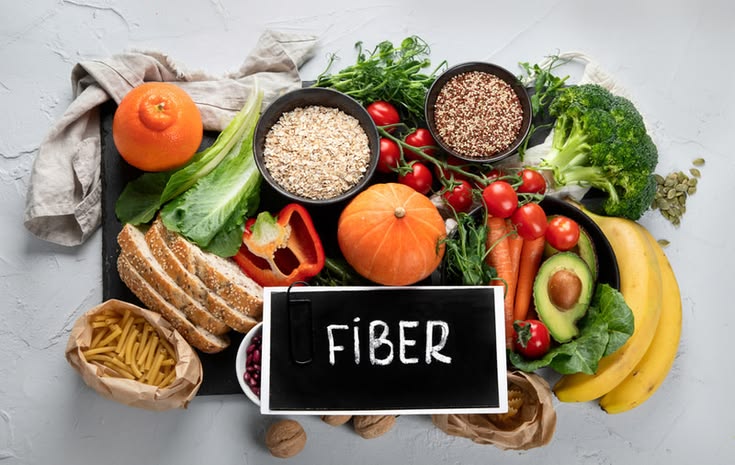
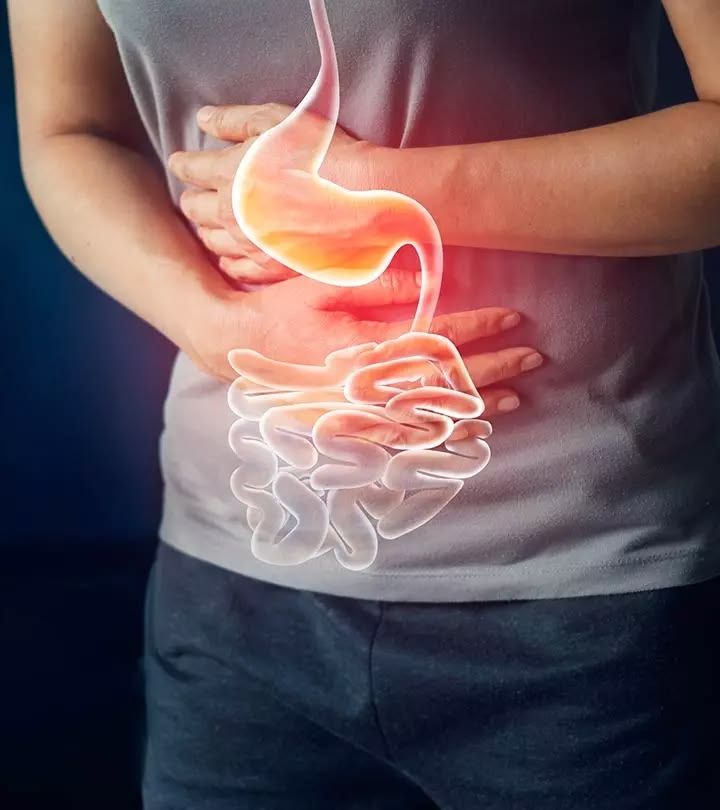
The Indian diet is filled with natural anti-inflammatory foods – ginger, turmeric, black pepper and more – that have been a part of Indian households for centuries. But despite all this, the cases of inflammation among Indians are incomprehensibly huge. The rise in numbers and people's conduct toward this problem seems worrisome. This is not because of the routine of indulging in fast food, which seems to be the primary cause, but because of the inability to differentiate the inflammation-prone product that gradually becomes an integral part of our diet.
From the white rice of our usual daily staple to the milk we use to prepare our coffee, this article will list the daily diet products of Indians that quietly fuel the inflammation leading to chronic diseases like diabetes, heart attacks, obesity and more.
What inflammation actually is — in two sentences
The nature of inflammation is not inherently bad. On the contrary, it's a defence mechanism of our body that helps us recover whenever we are ill; for instance, during a fever and a cold, our body gets hot to battle the disease, and at the time of a scratch or cut, the inflammation we feel signals that our body is fighting and recovering from the injury.
The problem arises when this inflammation doesn’t switch off and develops a risk of becoming a chronic disease. This is mainly due to our diet and lifestyle, which could have a severe effect on our body and quietly damage the tissues and organs over the years. But the remedies for this issue reside in the diet, where replacing some ingredients and choosing the right food with anti-inflammatory properties reduces inflammation and enhances immunity.
7 Indian Foods Quietly Causing Inflammation
1. Maida (Refined Flour) — Found in naan, parathas, and biscuits. Stripped of fibre, it spikes blood sugar and triggers inflammatory cytokines.
Swap: Whole wheat atta, jowar, or bajra rotis.
2. White Rice, in Excess — Eating it as your main carb three-plus times a day causes repeated insulin spikes. The problem is quantity, not rice itself.
Swap: Brown rice, red rice, or millets in rotation. Dal-rice khichdi is naturally gentler on blood sugar.
3. Refined Cooking Oils — Sunflower and soybean oils are extremely high in omega-6 with almost no omega-3, tipping the body towards inflammation.
Swap: Cold-pressed mustard oil (naturally rich in omega-3) or cold-pressed groundnut/coconut oil. Ghee in moderation is fine — it contains anti-inflammatory CLA.
4. Vanaspati (Dalda) — Hydrogenated oil once containing up to 29% trans fat in street food. Now regulated lower but still high in saturated fat, which raises bad cholesterol.
Swap: Desi ghee or cold-pressed oils for cooking.
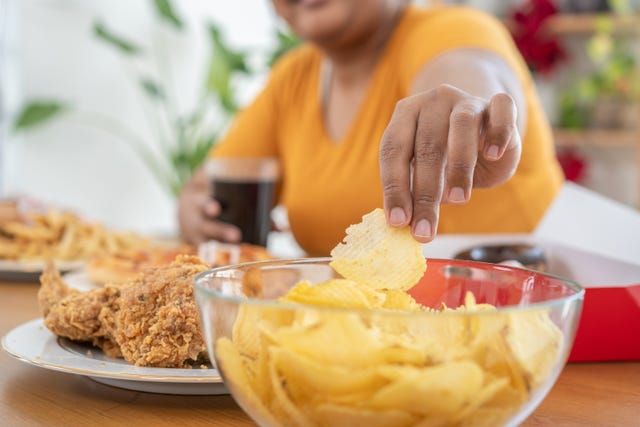
5. Packaged Namkeens and Biscuits — Aloo bhujia and cream biscuits combine refined flour, refined oil, and excess salt – each independently inflammatory.
Swap: Roasted chana, makhana, or a handful of nuts.
6. Excess Sugar — Mithai and Sweetened Chai — High sugar intake impairs immune function and fuels a cycle of insulin resistance. Often, the bigger issue isn't the occasional sweet; it's 5 cups of sugary chai a day.
Swap: Jaggery in moderation, fresh fruit, or soaked dates.
7. Deep-Fried Street Food — Samosas and pakoras combine maida with repeatedly reheated oil, which produces inflammatory compounds. Frequency is the real problem.
Swap: Air-fried or baked versions, or steamed alternatives like idli and dhokla.
What traditional Indian cooking already does right?
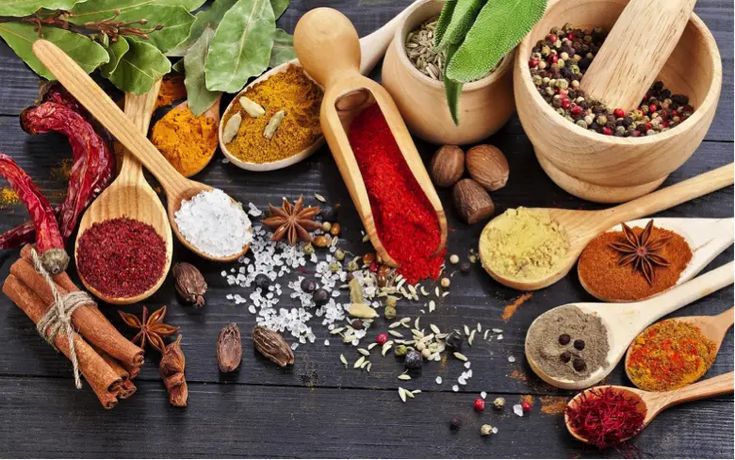
Traditional Indian cooking holds the solution to inflammation that has been used to keep it in control for centuries. The intake of turmeric, black pepper and clarified butter together mitigates inflammation, which is backed by scientific research. Curcumin, found in turmeric, helps in healing inflammation, and the black pepper and clarified butter aid this process. Likewise, staples like idli, dosa, and lentils are primary basic foods in different parts of India that offer several benefits that contribute to controlling inflammation. Whether it is a fermented process in preparing idli and dosa that breaks down lectins or the complex fibre in lentils that feeds your good gut bacteria. You need no medicine, just a little bit of replacement and adoption of the diet that has been a part of our culture as a substitute for refined and processed food.
Small swaps, not a diet overhaul
Healing inflammation doesn’t demand a radical change in your life; you can start with something as small as replacing refined sunflower oil with cold-pressed mustard oil and reducing maida from daily to occasional. Because, unlike in other countries, the Indian household kitchen still holds those important, impactful ingredients that work as anti-inflammatories. Haldi, adrak, jeera, and kali mirch are not something that sounds alien to us. What we need is just to incorporate these nutrient-rich foods more often while limiting our Swiggy or Zomato orders.