It is finally the season of spontaneous plans, golden evenings, and journeys that stay with you long after they end. Whether it’s the calm of a quiet beach, the energy of a bustling city, or the comfort of discovering somewhere new, summer travel is less about distance and more about experience. And if there is one region that captures this balance effortlessly, it is East Asia. Blending natural beauty with deep-rooted culture and modern charm, destinations like Okinawa, Jeju Island, and Siem Reap offer a refreshing take on summer travel. From tropical coastlines to ancient temples and vibrant cityscapes, the geography opens up a world where every journey feels distinct—making it a perfect choice for an international escape this season.
Tropical Escape in Okinawa, Japan
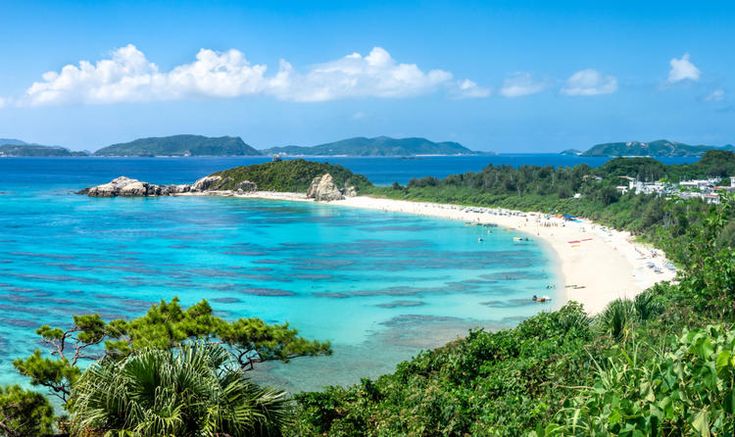
If Japan is often imagined through the lens of fast-paced cities and cultural landmarks, Okinawa quietly offers a completely different narrative. Tucked away in the southernmost part of the country, this island prefecture feels more like a tropical retreat than a typical Japanese destination. With its crystal-clear waters, soft white sands, and coral reefs teaming with life, Okinawa brings a sense of calm that’s both refreshing and rare. Days are best spent by the ocean, whether it is snorkelling through vibrant marine ecosystems or simply soaking in the stillness of the coastline. Beyond its beaches, Okinawa also carries a unique cultural identity shaped by its history as the former Ryukyu Kingdom, adding depth to its laid-back charm. For travellers seeking a slower, more peaceful kind of escape, Okinawa is perfect.
Nature and History in Jeju Island, South Korea
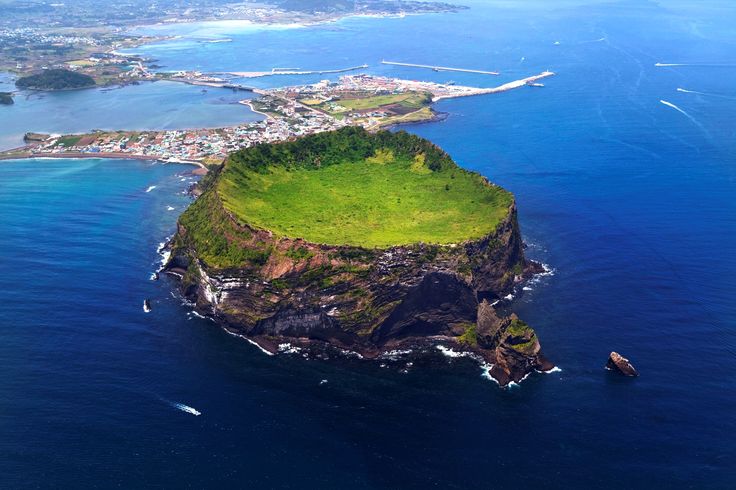
Jeju Island is one of South Korea’s most popular natural getaways, known for its volcanic landscapes, coastal views, and relaxed pace of life. The island was formed by volcanic activity thousands of years ago, which is why it features unique geographical sites like lava tubes, waterfalls, and dramatic cliffs. At its centre stands Hallasan, South Korea’s highest mountain, while Seongsan Ilchulbong is famous for its striking crater and sunrise views. Beyond its natural beauty, Jeju also has a distinct cultural and historical identity. It was once an independent kingdom and later became part of Korea, developing traditions that are still visible today. The island is also known for the “haenyeo” (women divers), who have been free-diving for seafood for generations—an important part of Jeju’s heritage. Today, Jeju Island offers a balanced travel experience, combining scenic landscapes with cultural depth. It’s an ideal summer destination for those looking to explore nature while also learning about a place with a unique past.
Cultural Heritage in Siem Reap, Cambodia
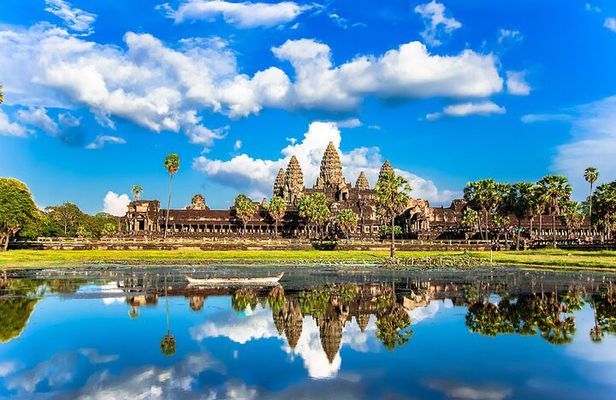
Siem Reap is best known as the gateway to one of the world’s most remarkable historical sites, Angkor Wat. Once the centre of the powerful Khmer Empire between the 9th and 15th centuries, this region holds centuries of history within its vast temple complexes. Angkor Wat itself, originally built as a Hindu temple and later transformed into a Buddhist site, stands as a symbol of Cambodia’s cultural and architectural heritage. Beyond Angkor Wat, the Angkor Archaeological Park is home to numerous temples, each with its own story—featuring intricate carvings, towering stone structures, and roots of ancient trees intertwining with the ruins. Today, Siem Reap has grown into a vibrant city that balances its historical significance with modern tourism. From local markets to cultural performances, it provides a well-rounded experience for travellers. For those interested in history, architecture, and culture, Siem Reap remains one of the most meaningful destinations to visit in East Asia.
Coastal Culture in Hoi An and Da Nang, Vietnam
Hoi An and Da Nang together offer a well-balanced travel experience, combining cultural heritage with coastal relaxation. Located close to each other in central Vietnam, they are often explored as part of the same trip, giving travellers both a historic and modern perspective of the region.
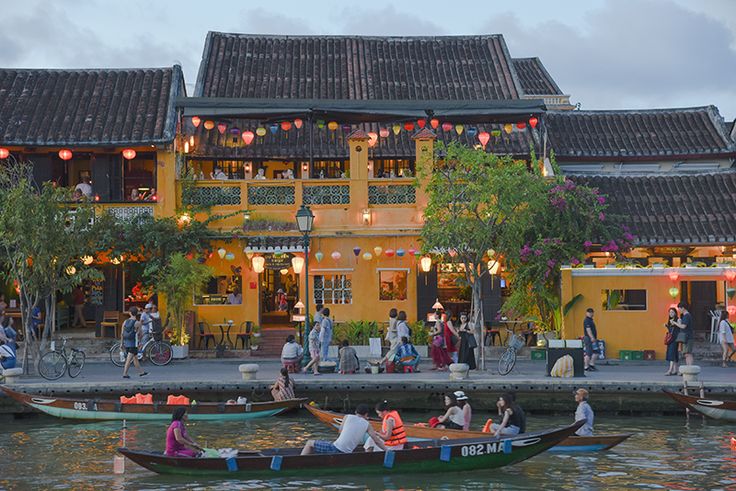
Hoi An is known for its well-preserved Ancient Town, a UNESCO World Heritage Site that reflects a blend of Vietnamese, Chinese, and Japanese influences. Once a major trading port between the 15th and 19th centuries, the town still carries its old-world charm through narrow streets, traditional houses, and iconic lantern-lit evenings. In contrast, Da Nang offers a more contemporary atmosphere with its beaches, resorts, and growing cityscape. It serves as a gateway to several attractions, including the famous Golden Bridge, known for its unique design held up by giant stone hands. The city’s coastline also makes it a popular spot for water activities and relaxation during the summer. Together, Hoi An and Da Nang provide a mix of history, culture, and leisure, making them an ideal destination for travellers looking for variety in a single trip.
Urban Life, Natural Landscapes in Taipei and Taroko Gorge, Taiwan
Taiwan offers a unique combination of modern city life and striking natural scenery, best experienced through Taipei and Taroko Gorge. Together, they provide a well-rounded travel experience that blends culture, convenience, and outdoor exploration. Taipei, the capital city, is known for its efficient infrastructure, vibrant night markets, and cultural landmarks. From historic temples to contemporary architecture like Taipei 101, the city reflects a balance between tradition and modernity. It is also a hub for Taiwanese cuisine, offering everything from street food to fine dining.
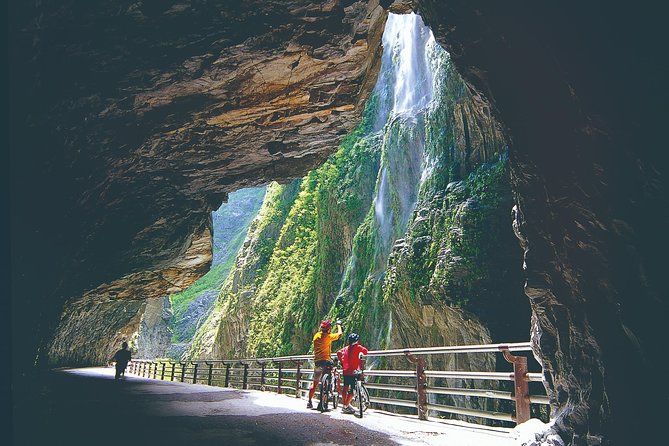
A few hours away, Taroko Gorge presents a completely different landscape. Located within a national park, it is famous for its marble cliffs, deep gorges, and scenic hiking trails. Formed over millions of years through natural erosion, the area showcases Taiwan’s geological diversity and is one of its most visited natural attractions. Together, Taipei and Taroko Gorge highlight the contrast that defines Taiwan—where fast-paced urban life exists alongside quiet, untouched nature—making it an ideal destination for a diverse summer itinerary.
Wrapping Summer in East Asia
East Asia offers a diverse range of travel experiences that go beyond the usual tourist destinations. From the tropical calm of Okinawa and the natural landscapes of Jeju Island to the historical depth of Siem Reap, each destination brings something unique to the table. The cultural charm of Hoi An and Da Nang, along with the contrast of urban life and nature in Taipei and Taroko Gorge, further highlights the region’s variety. For travellers looking to plan an international summer trip, these destinations offer a balance of relaxation, culture, and exploration. Choosing East Asia not only provides new experiences but also a deeper understanding of places which are rich in history and natural beauty.