Tea is one of the oldest drinks in the world, but it means something different in every country that loves it. In some places, it is a daily ritual. In others, it is how you welcome a guest or mark a celebration. Here is a look at five countries where tea is much more than something you drink.
⦁ India
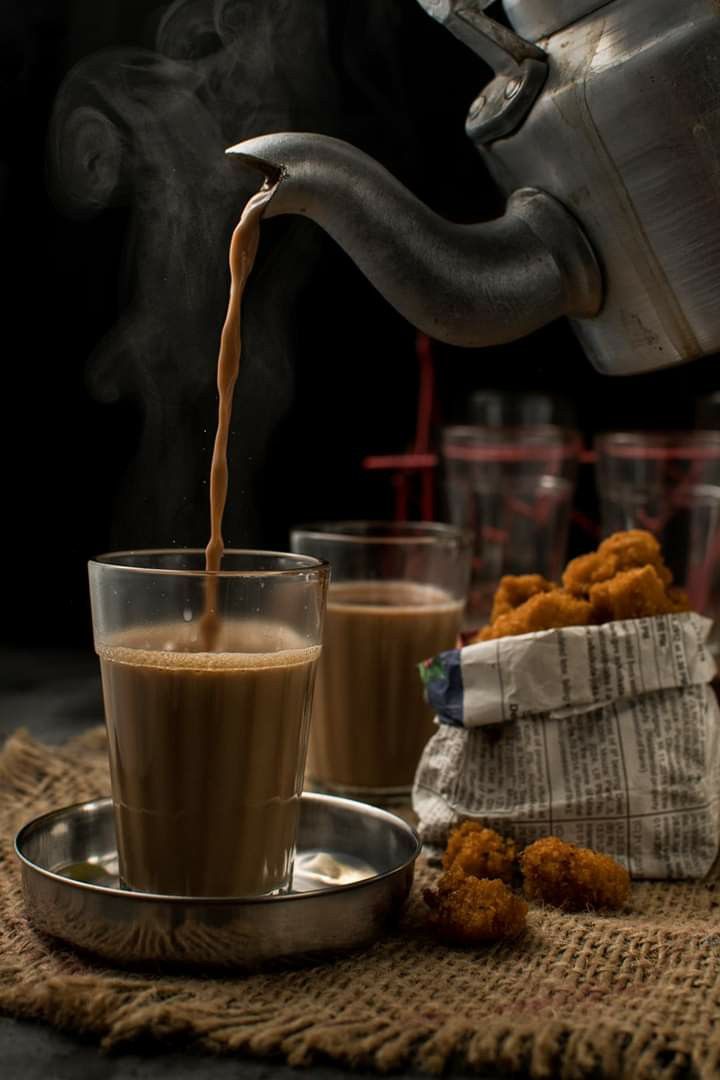
In India, tea is everywhere. It wakes you up in the morning, fills the gap between meals, and shows up every time someone walks through your door. The drink most people know is masala chai, a strong black tea brewed with milk and a mix of spices like cardamom, ginger, cinnamon, and black pepper. Every household and every chai vendor, known as a chaiwala, has their own version. There is no fixed recipe, and that is part of what makes it feel so personal. You will find it simmering in tiny roadside stalls, handed over in small clay cups or little glasses. Chai in India is not a ceremony with formal rules. It is simply woven into the everyday rhythm of life, a cup shared between friends, strangers, and coworkers with the same easy warmth.
⦁ Turkey
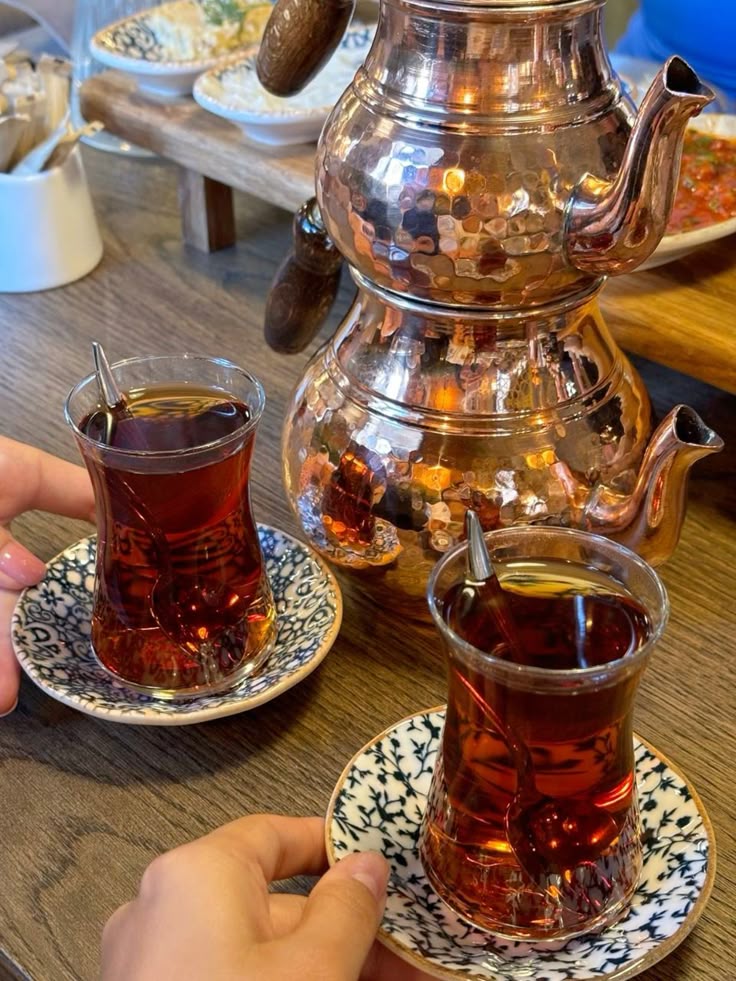
Image Courtesy: Pinterest/@alisyafamu
In Turkey, tea is a way of showing you care. The country grows most of its tea in the lush green hills of the Black Sea region, particularly around Rize, and drinks more tea per person than almost anywhere else in the world. Turkish tea, called cay, is a strong black tea brewed in a double pot called a caydanlik. The top pot holds the brewed tea concentrate, while the bottom boils the water. It is served in small tulip-shaped glasses so you can see the deep amber colour, and you dilute it to your liking by adding hot water from the lower pot. It is almost always offered to guests when they arrive, and refusing a cup can feel impolite. Tea here is less about the drink itself and more about the act of sitting together and talking.
⦁ Thailand
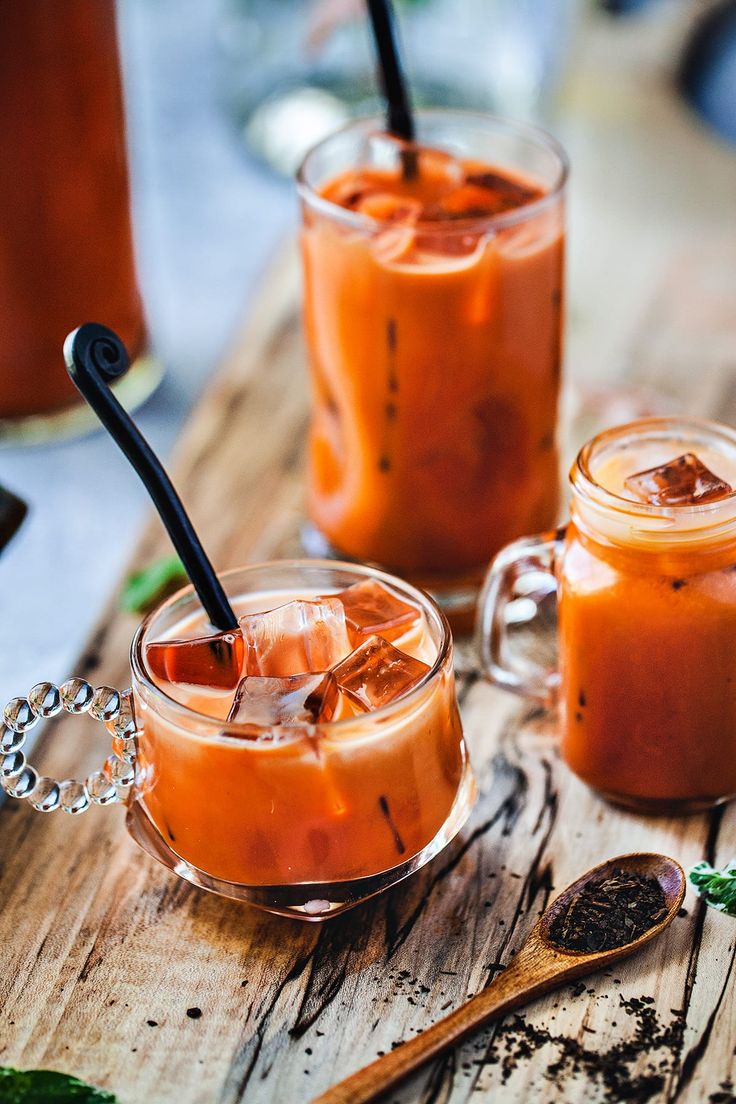
Image Courtesy: simplysuwanee.com
Thailand's most famous tea is cha yen, which simply means cold tea. It is made from strongly brewed black tea, sweetened with condensed milk and sugar, then poured over crushed ice with a splash of evaporated milk on top. The result is creamy, sweet, and deeply refreshing, which makes sense in a country that is hot for most of the year. Tea came to Thailand through trade routes from China and became part of everyday street food culture over time. Today you will find cha yen at almost every market stall, handed over in a plastic bag tied with a rubber band or in a tall cup with a straw. It is a simple drink, but it captures something true about Thai food culture: bold flavours, generous sweetness, and the kind of thing best enjoyed in good company.
⦁ Japan
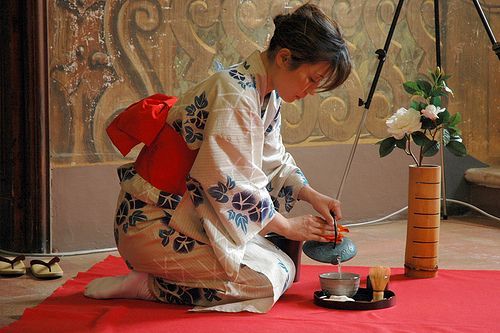
Image Courtesy: Pinterest/@Emanuela Ferraroni
Japan's tea ceremony, known as chanoyu or the Way of Tea, is one of the most deliberate and thoughtful rituals in the world. It centres on the preparation and serving of matcha, a powdered green tea, and every movement involved has meaning. The ceremony is guided by four principles: harmony, respect, purity, and tranquility. It typically takes place in a tea house or a traditional room, led by a host who has trained for years in the correct techniques. Guests eat a small sweet before drinking the tea and receive the bowl with both hands. There is no rushing. The whole point is to be fully present in that moment. Chanoyu draws on the ideas of Zen Buddhism and the Japanese aesthetic of wabi-sabi, which finds beauty in simplicity and imperfection. It remains a living tradition in Japan, practised both in formal settings and as a meaningful personal discipline.
⦁ Britain
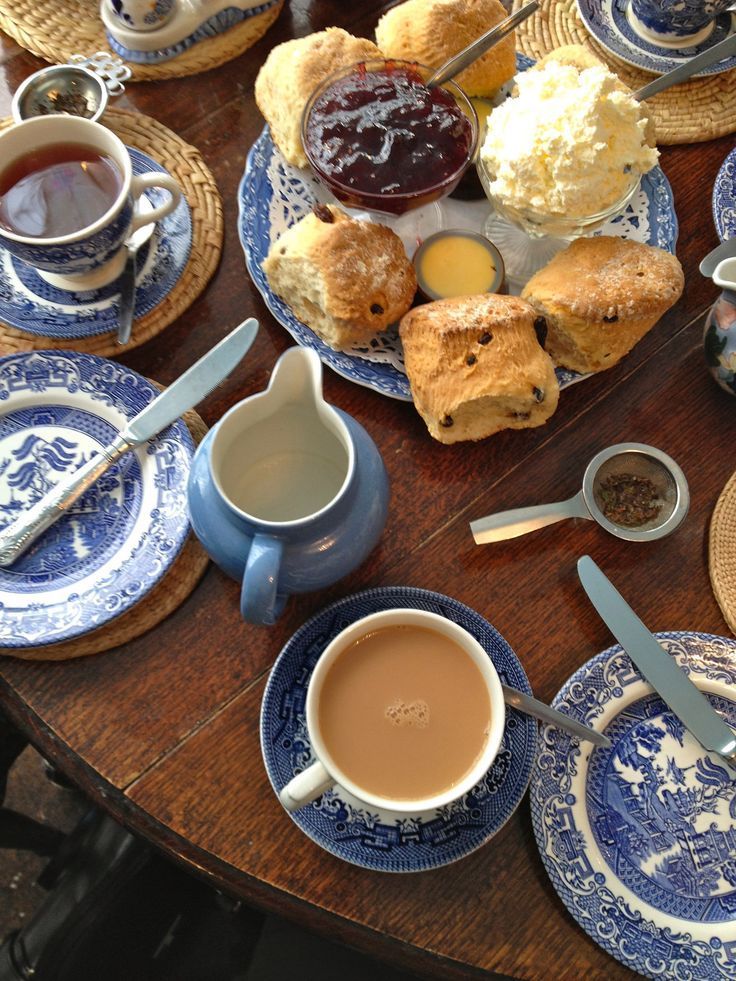
Image Courtesy: Pinterest/@Bohemian Picnic Deluxe
Afternoon tea in Britain began in the early 19th century, and the story goes that it started with Anna, the seventh Duchess of Bedford, who grew hungry in the long gap between lunch and the late evening dinner and started asking for tea and small snacks to be brought to her room. The habit caught on quickly among the upper classes and eventually spread much wider. A proper afternoon tea includes finger sandwiches, scones with clotted cream and jam, and small pastries or cakes, all served with strong black tea, usually taken with milk. Today, it is served in grand hotels, tea rooms, and cosy cafes across the country. But tea in Britain is not reserved for fancy occasions. It is also the first thing most people make in the morning and the answer to almost any difficult moment. Few things in British culture are as relied upon as a good cup of tea.